Forviklingene ved produksjon av emballasjefilm: En prosessdrevet utforskning (3)
Emballasjefilm
I riket av moderne emballasje, produksjon av emballasjefilm står som en hjørnestein for innovasjon og effektivitet. Fra mattrygghet til produktkonservering, Kvaliteten og funksjonaliteten til emballasjefilmer påvirker forbrukernes tillit og merkevareomdømme direkte. Denne bloggen fordyper seg ipackaging film manufacturing process, fremheve viktige stadier, teknologiske fremskritt, and quality control measures that define this dynamic industry.
1. Material Selection and Preparation
The journey begins withraw material selection, a critical step that determines the film’s physical properties and application suitability. Polyetylen (PE), including high-density (HDPE) and low-density (LDPE), remains a staple due to its flexibility, Kostnadseffektivitet, and recyclability. Advanced formulations may incorporateethylene-vinyl acetate (EVA) copolymers ellermultilayer co-extrusion techniques to enhance barrier properties, strekkbarhet, or heat resistance. For eksempel, EVA-based films with 9–26% vinyl acetate content are engineered for vacuum packaging, offering high stretch ratios without compromising integrity.
2. Extrusion and Film Formation
The heart of the process lies inextrusion, where resin pellets are melted and forced through a die to form a continuous film. Modern extrusion lines employco-extrusion technology, enabling the simultaneous creation of multi-layered films with distinct functionalities—e.g., a barrier layer for oxygen resistance and a sealant layer for heat sealing. Key parameters such astemperatur, press, and screw speed are meticulously controlled to ensure uniform thickness and molecular orientation.
3. Printing and Surface Enhancement
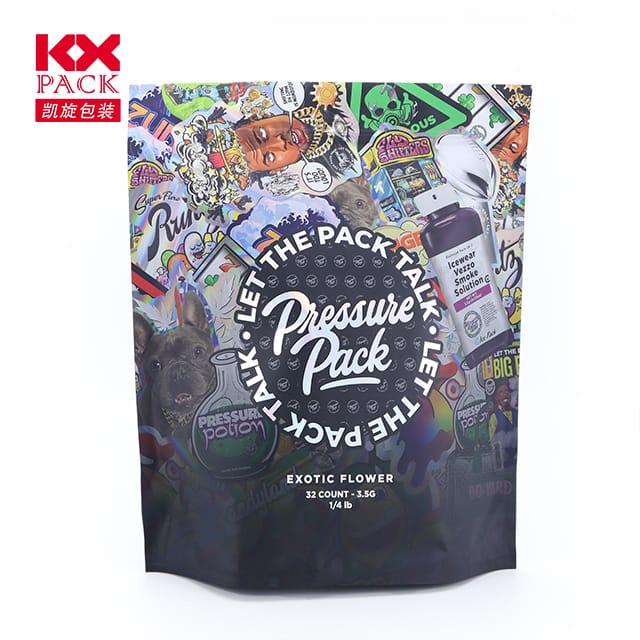
Aesthetics and branding come into play duringprinting, where techniques likeFlexography (for high-speed, multi-color jobs) ellerUV printing (for levende, instant-dry graphics) add visual appeal. UV printing, spesielt, offers1440 dpi precision and 5-year fade resistance, making it ideal for luxury packaging. Post-printing, surface treatments som for eksempellaminering, preging, or metallization enhance durability, tactile appeal, or barrier properties.
4. Lamination and Composite Bonding
For multi-layer structures, laminering fuses different films or substrates (F.eks., papir, aluminiumsfolie) using adhesives or thermal bonding.Dry lamination uses heat and pressure, menswet lamination employs solvent-based adhesives. EN 2021 study highlighted the challenge ofvolatile organic compound (VOC) migration in solvent-based adhesives, prompting manufacturers to adoptin-process VOC monitoring with portable sensors. This ensures compliance with food-safety regulations and reduces environmental impact.
5. Skjæring, Winding, and Finishing
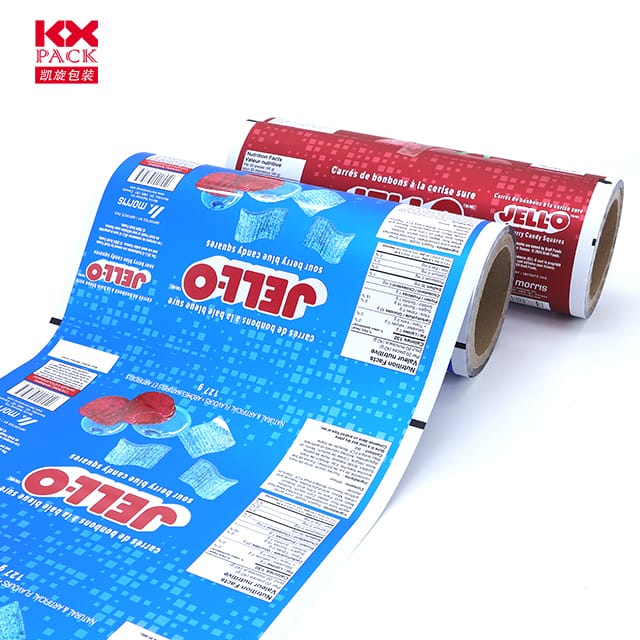
The final film isslit into desired widths andsår onto rolls or spools. Automated systems adjust tension and speed to prevent defects liketelescoping ellerwrinkling. Quality checks at this stage includethickness measurement, tensile strength testing, and optical inspection to detect pinholes or inconsistencies.
6. Quality Control and Innovation
Industri 4.0 technologies are transforming quality control.IoT sensors embedded in machinery track real-time data on temperature, press, and line speed, enabling predictive maintenance and defect reduction. For eksempel, en 2025 study demonstrated how IoT-driven analysis of five parameters reduced quality defects in packaging film production by 30%. I tillegg, sustainability initiatives drive the adoption ofbiologisk nedbrytbare polymerer ogresirkulert innhold, aligning with global eco-conscious trends.
Konklusjon: The Future of Packaging Film Manufacturing
The packaging film industry is poised for growth, drevet avautomasjon, bærekraft, and consumer demand for high-performance packaging. As technologies likeAI-driven defect detection ognano-layered barriers emerge, manufacturers must balance innovation with regulatory compliance and environmental stewardship. By mastering the manufacturing process—from material selection to final inspection—companies can deliver films that not only protect products but also elevate brands in a competitive marketplace.
Stay tuned for more insights into packaging innovations and industry trends! 🌍📦✨
Nøkkelord: Packaging Film Manufacturing, Extrusion, Printing, Laminering, Kvalitetskontroll, Bærekraft, IoT, UV Printing