The Evolution and Impact of Food Packaging Films: Innovasjon, Bærekraft, and Consumer Safety
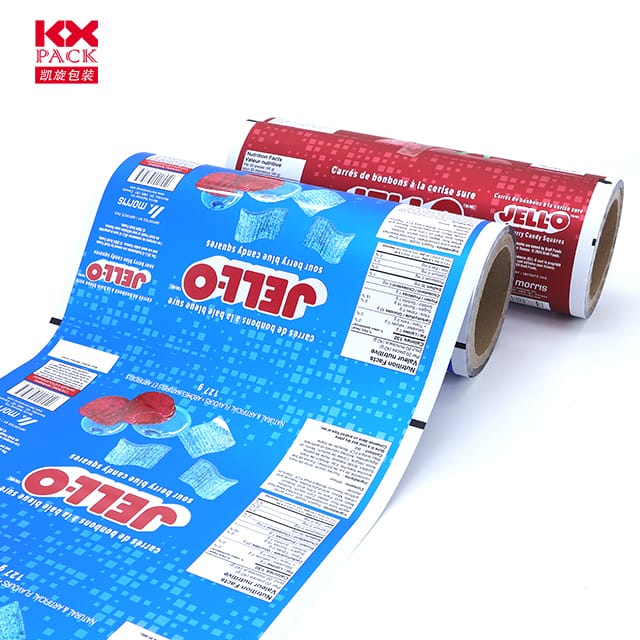
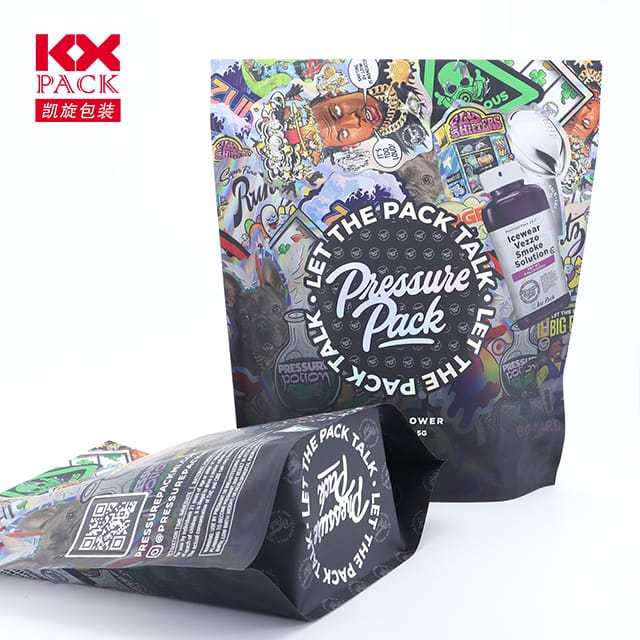
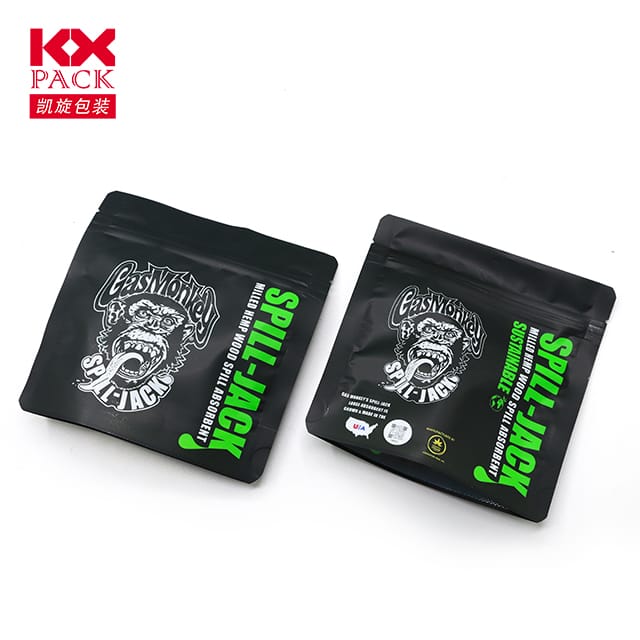
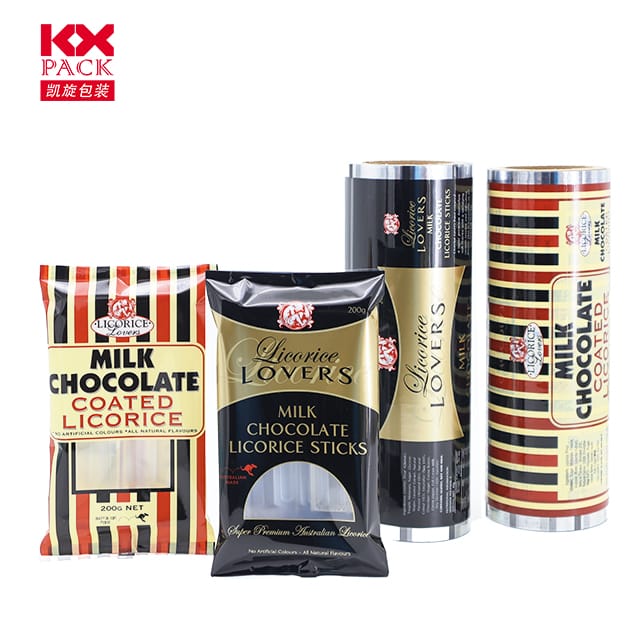
Filmer for matemballasje
In the modern world, food packaging films are ubiquitous yet often overlooked. These thin layers of material play a critical role in preserving freshness, forlenger holdbarheten, and protecting food from contamination. But as consumer demands shift toward sustainability and convenience, the food packaging industry is undergoing a transformative revolution. La oss utforske de siste trendene, innovasjoner, and challenges in the world of food packaging films.
1. What Are Food Packaging Films?
Food packaging films are flexible materials used to wrap, forsegle, or cover food products. They can be made from plastics, bioplastics, papir, aluminium, or composites of multiple layers. Their primary functions include:
- Bevaring: Preventing exposure to air, fuktighet, and light to slow spoilage.
- Beskyttelse: Shielding food from physical damage, bakterie, and pests.
- Bekvemmelighet: Enabling easy handling, lagring, og porsjonskontroll.
- Merkevarebygging: Providing a surface for labels, logoer, and nutritional information.
From single-use snack wrappers to resealable pouches for fresh produce, these films are integral to the global food supply chain.
2. The Rise of Sustainable Alternatives
Tradisjonelle plastfilmer, mens den er effektiv, have drawn criticism for their environmental impact. Single-use plastics contribute to pollution, harm wildlife, and take centuries to decompose. In response, the industry is innovating with eco-friendly solutions:
- Biologisk nedbrytbare filmer: Made from plant-based materials like starch, cellulose, or polylactic acid (PLA), these films break down naturally under specific conditions.
- Komposterbare filmer: Designed to decompose in industrial composting facilities, leaving no toxic residues.
- Spiselige filmer: Edible coatings made from ingredients like seaweed, chitosan, or proteins not only protect food but can also be consumed along with it, reducing waste entirely.
- Resirkulert innhold: Films incorporating post-consumer recycled (PCR) plastics help divert waste from landfills.
Merker somTIPA® ogEco-Products are leading the charge with compostable packaging, while companies likeNotpla are creating seaweed-based films that dissolve in water.
3. Smart emballasje: The Future of Food Safety
Utover bærekraft, technology is transforming packaging films into intelligent tools for monitoring food quality:
- Tid-temperaturindikatorer (TTIer): Etiketter som endrer farge hvis mat har vært utsatt for utrygge temperaturer, sikre friskhet.
- Freshness Sensors: Embedded sensors detect gases like ammonia or CO₂, which indicate spoilage, and alert consumers via smartphone apps.
- Antimikrobielle filmer: Infused with natural compounds like essential oils or silver nanoparticles, these films inhibit bacterial growth and extend shelf life.
For eksempel, Mimica Touch has developed a tactile indicator that becomes bumpy when food is no longer safe to eat, empowering consumers to make informed decisions.
4. Utfordringer og hensyn
While the future of food packaging films is promising, several hurdles remain:
- Koste: Sustainable materials are often more expensive than conventional plastics, though economies of scale are gradually reducing prices.
- Ytelse: Biodegradable films may lack the barrier properties of traditional plastics, leading to shorter shelf lives for some products.
- Forbrukeratferd: Many consumers remain confused about how to properly dispose of compostable or biodegradable packaging, leading to contamination in recycling streams.
- Regulation: Governments worldwide are implementing stricter rules on single-use plastics, pushing companies to adapt quickly.
5. The Role of Consumers in Driving Change
As awareness grows, consumers are demanding more sustainable options. By choosing products packaged in eco-friendly films, supporting brands with transparent practices, and properly disposing of packaging, individuals can influence industry standards.
For tips: Look for certifications likeOK Kompost, Institutt for biologisk nedbrytbare produkter (BPI), ellerTÜV Østerrike to ensure packaging meets sustainability claims.
Konklusjon: A Wrap-Up on Food Packaging Films
Food packaging films are no longer just about keeping food safe—they’re about protecting the planet, øker bekvemmeligheten, and empowering consumers. As innovation continues, we can expect smarter, greener, and more efficient solutions to dominate the market.
The next time you unwrap a snack or toss packaging into the bin, take a moment to consider the material’s journey. Sammen, we can drive demand for packaging that’s kind to both our bodies and the Earth.
What’s your take on sustainable food packaging? Share your thoughts or favorite eco-friendly brands in the comments below! 🌍🍃📦