Evolusjonen og virkningen av fleksibel filmemballasje: En bærekraftig revolusjon (6)
Fleksible filmer
I en tid hvor bærekraft, bekvemmelighet, og innovasjonsdrivende emballasjeløsninger, flexible films packaging has emerged as a cornerstone of modern industry. Fra mat og legemidler til forbrukerelektronikk, disse tilpasningsdyktige materialene omformer hvordan produktene er beskyttet, transportert, og presentert. La oss utforske dynamikken, Trender, og fremtidig potensial for denne dynamiske sektoren.
What Are Flexible Films Packaging?
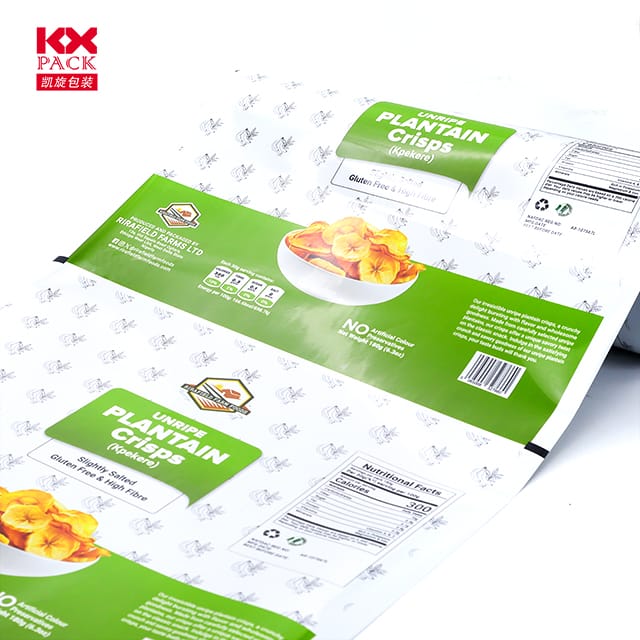
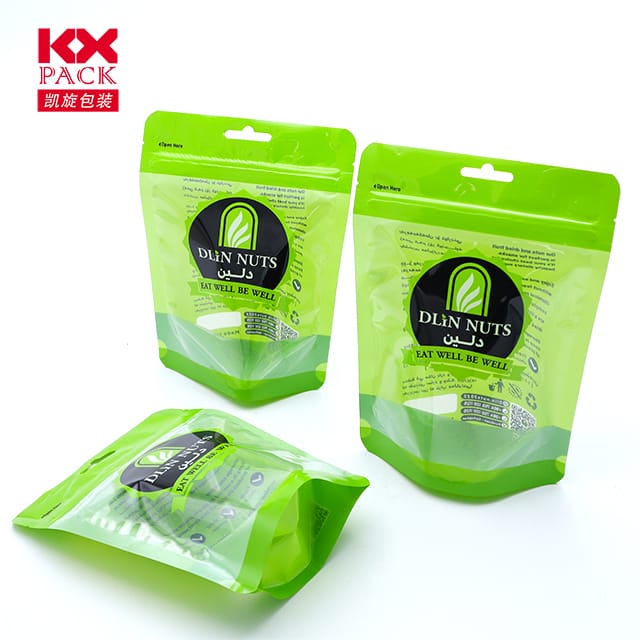
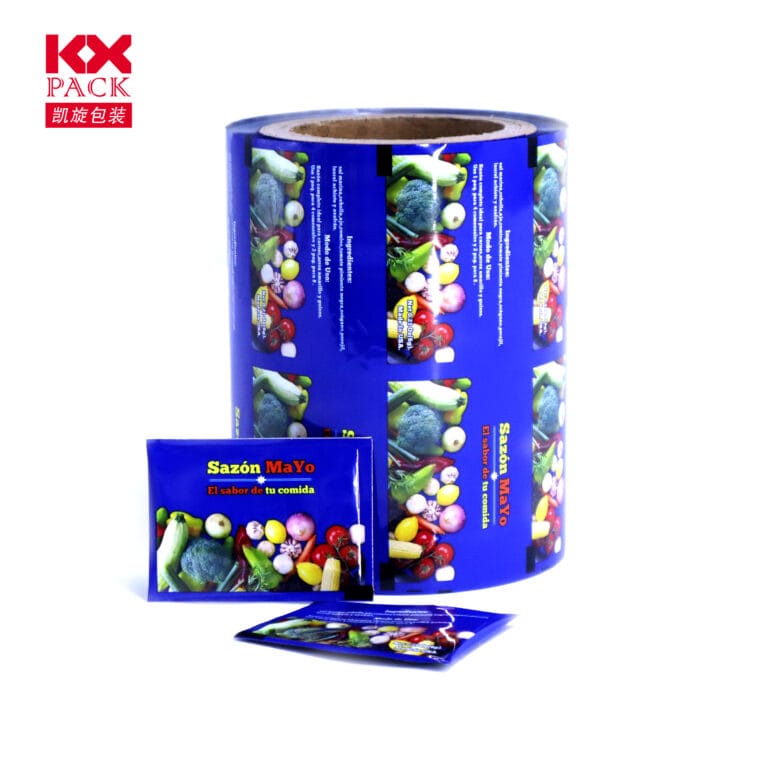
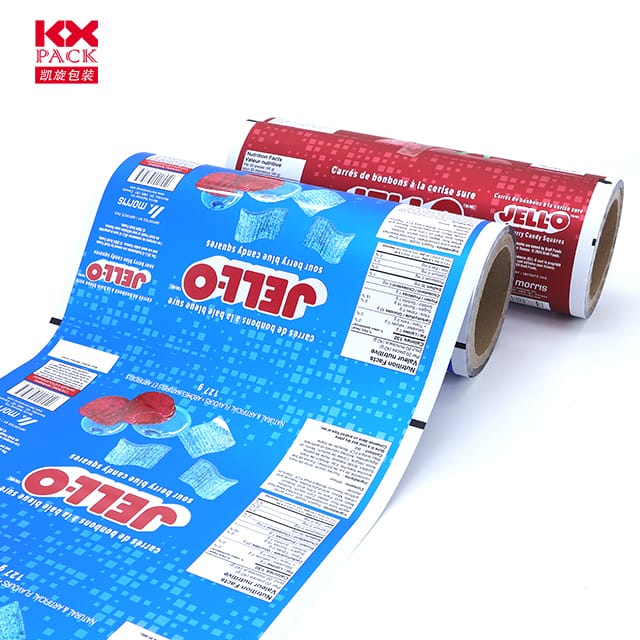
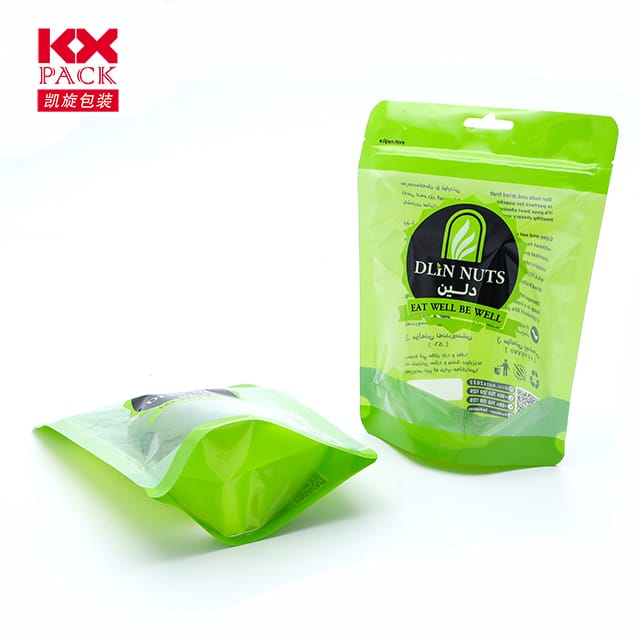
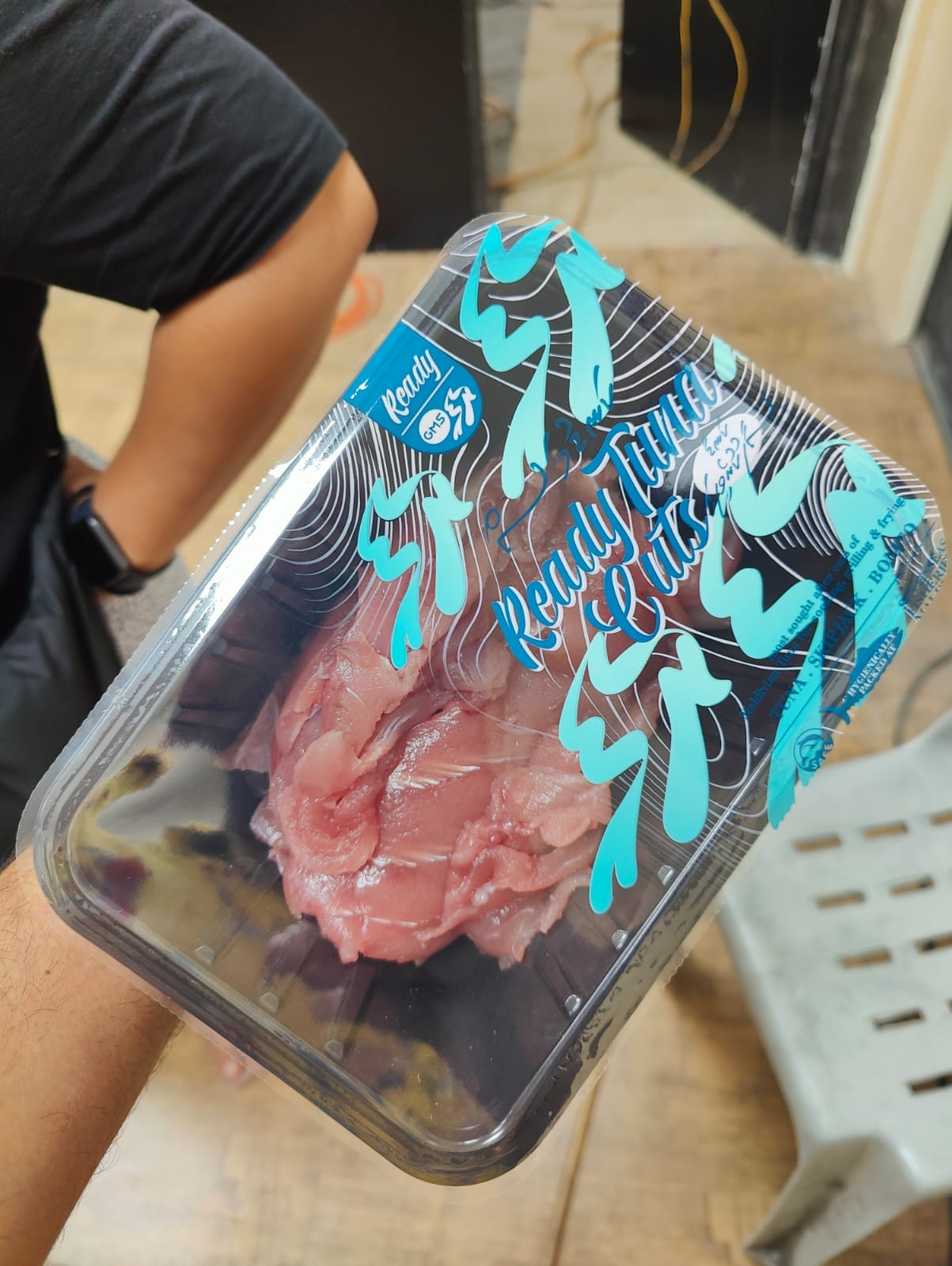
Flexible films packaging refers to lightweight, non-rigid materials used to encase products. Unlike traditional rigid containers, these films—often composed of polymers like polyethylene (PE), polypropylen (PP), or multi-layer composites—conform to the shape of their contents, minimizing waste and optimizing space.
Key characteristics include:
- Lett & Varig: Reduces shipping costs and carbon footprints.
- Barriereegenskaper: Protects against moisture, oksygen, og lys, forlenger holdbarheten.
- Tilpassbarhet: Printable, sealable, and adaptable to diverse formats (pouches, poser, wraps).
Markedsvekst & Key Drivers
The global flexible packaging market was valued atUSD 210.62 milliarder inn 2023 and is projected to reachUSD 238.91 milliarder med 2029, vokser med en CAGR på2.12%. Nøkkeldrivere inkluderer:
- Shift from Rigid to Flexible Solutions: Brands prioritize cost-efficiency and sustainability, favoring flexible films over heavier, less eco-friendly alternatives.
- E-handel boom: Online retail demands lightweight, damage-resistant packaging for safe deliveries.
- Helsetjenester & Food Demand: Pharmaceuticals and perishable goods require sterile, airtight packaging, fueling innovation in high-barrier films.
Innovations in Material Science
Recent advancements in flexible film technology focus onsustainability and performance:
- Mono-Material Structures: Bedrifter liker Huhtamaki are pioneering single-polymer films (F.eks., PE or PP) for å forenkle resirkulering.
- Biologisk nedbrytbare filmer: Made from renewable resources (F.eks., PLA), these reduce plastic waste.
- Høybarrierebelegg: Advanced polymers like polyvinylidenklorid (PVDC) or ethylene vinyl alcohol (EVOH) enhance shelf life without compromising recyclability.
Regional Dynamics
Asia-Pacific dominates the market, accounting for58% of global volume in 2023, drevet av:
- Rapid Urbanization: Rising middle-class populations in China and India boost demand for packaged goods.
- E-commerce Expansion: Online shopping platforms like Alibaba and Flipkart rely on flexible films for efficient logistics.
- Regulatorisk push: Governments mandate eco-friendly packaging, accelerating adoption of recyclable/compostable films.
Utfordringer & Fremtidsutsikter
Til tross for vekst, the sector faces hurdles:
- Resirkuleringskompleksitet: Multi-layer films are hard to separate, complicating circular economy efforts.
- Råstoffvolatilitet: Fluctuating polymer prices impact margins.
derimot, the future looks promising:
- Smart emballasje: Films embedded with sensors for freshness tracking or anti-counterfeiting.
- Circular Design: Modular, reusable packaging systems that minimize waste.
- Collaborative Innovation: Partnerships between material scientists, merkevarer, and recyclers to close the loop.
Konklusjon
Flexible films packaging is more than a convenience—it’s a strategic imperative for a sustainable future. As brands and consumers demand smarter, greener solutions, this sector will continue to evolve, blending cutting-edge science with practical design. The road ahead? A balance of innovation, responsibility, and adaptability to meet the needs of a changing world.
Stay tuned for more insights on packaging trends—where science meets sustainability! 🌍📦✨
Kilder: QYResearch, Markeder og markeder, GlobeNewswire, Packaging World