De ultieme gids voor het inpakken van film voor eten: Veiligheid, Duurzaamheid, en slimme opslag
Film inpakken voor eten
In keukens wereldwijd, Film inpakken voor eten (Ook bekend als huishoudfilm, plasticfolie, of voedselomslag) is een bescheiden maar onmisbaar hulpmiddel. Of u restjes behoudt, maaltijden van tevoren voorbereiden, of ingrediënten vers houden, De recht inpakfilm kan het verschil maken. Maar met groeiende zorgen over plastic afval en chemische veiligheid, how do you choose the best option? Let’s unravel the facts about food wrapping films and discover how to use them wisely for a healthier planet and pantry.
1. What Is Wrapping Film for Food?
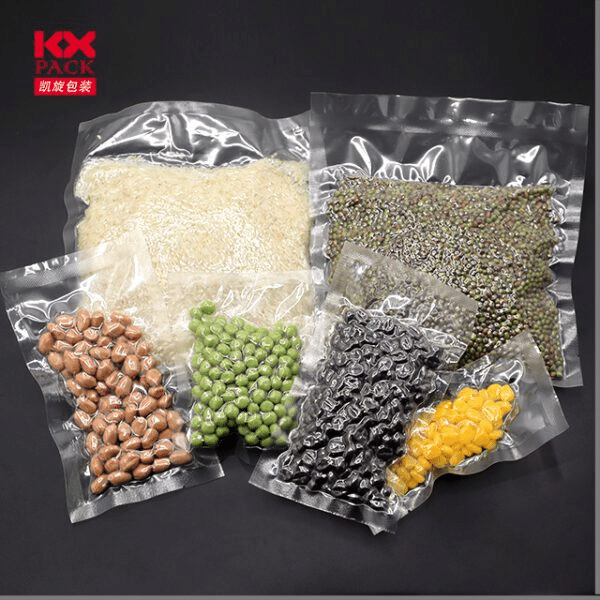
Voedselverpakkingsfolie is dun, flexible plastic sheet designed to create an airtight seal around food items. Its primary purposes include:
- Preventing spoilage by blocking air and moisture.
- Avoiding cross-contamination between foods.
- Maintaining flavor and texture in stored items.
Most commercial films are made frompolyethyleen (PE), a safe and widely recycled plastic. Echter, some older or cheaper varieties may containpolyvinylchloride (PVC), which can leach harmful chemicals like phthalates—especially when heated.
2. Types of Food Wrapping Films: Which One to Choose?
Not all Film inpakken voor eten are created equal. Here’s a breakdown of common options:
A. Standard Plastic Wrap (PE-Based)
- PROS: Betaalbaar, transparant, and clings well to surfaces.
- Nadelen: Single-use and not always recyclable.
- Beste voor: Short-term storage of dry or cool foods (Bijv., broodjes, kaas).
B. PVC-vrije verpakking
- PROS: Safer for health (no phthalates), often thicker and more durable.
- Nadelen: Slightly pricier than standard options.
- Beste voor: Families with children or those avoiding synthetic chemicals.
C. Biodegradable/Compostable Wrap
- PROS: Gemaakt van plantaardige materialen (Bijv., maïszetmeel), breaks down naturally.
- Nadelen: Less clingy, may not seal as tightly; often requires industrial composting.
- Beste voor: Eco-conscious households willing to pay a premium.
D. Reusable Silicone Food Covers
- PROS: Wasbaar, duurzaam, en hittebestendig (safe for microwaves/ovens).
- Nadelen: Bulkier than plastic wrap; not ideal for wrapping irregular shapes.
- Beste voor: Kommen afdekken, pannen, or large produce items.
3. How to Use Wrapping Film Safely and Effectively
- Avoid Microwaving Plastic Wrap: Warmte kan ervoor zorgen dat chemicaliën in voedsel terechtkomen. Use microwave-safe covers or switch to silicone.
- Don’t Reuse Single-Use Film: Torn or stretched wrap loses its seal and may harbor bacteria.
- Wrap Food Tightly: Press the film directly onto the food’s surface to minimize air exposure.
- Op de juiste manier bewaren: Keep film in a cool, droge plaats uit de buurt van zonlicht om bederf te voorkomen.
4. Milieuvriendelijke alternatieven voor traditionele plastic wrap
Concerned about plastic pollution? Try these sustainable swaps:
- Bijenwas wraps: Herbruikbaar, composteerbaar, and perfect for wrapping cheese, brood, or veggies.
- Stoffen hoezen: Lightweight cotton or linen wraps with a waterproof lining.
- Glazen containers: Airtight and infinitely reusable (great for meal prep).
- Aluminum Foil: Recyclable and heat-resistant, though not as transparent as plastic.
5. De toekomst van het inpakken van voedsel: Innovaties om naar te kijken
The packaging industry is evolving rapidly to meet sustainability demands. Verwacht te zien:
- Eetbare films: Gemaakt van zeewier of zetmeel, deze wraps kunnen worden gegeten of gecomposteerd.
- Slimme verpakking: Films embedded with sensors to detect food freshness or spoilage.
- Water-Soluble Wraps: Dissolve harmlessly in water, afval verminderen.
Conclusie: Wrap Smart, Live Greener
Wrapping film for food is a kitchen staple, but its environmental impact demands mindful choices. By opting for PVC-free, biologisch afbreekbaar, of herbruikbare alternatieven, you can keep your food fresh while protecting the planet. Herinneren: the best wrap isn’t always plastic—sometimes, innovation and creativity offer safer, smarter solutions.
Ready to rethink your food storage? Share your favorite eco-friendly wrapping hacks or tag a friend who’s trying to reduce plastic use! 🌱🍴
Trefwoorden: wrapping film for food, plasticfolie, vershoudfolie, food storage, duurzame verpakking, milieuvriendelijke keuken