De rol en evolutie van plastic rolfilm voor voedselverpakkingen: Veiligheid in evenwicht brengen, Duurzaamheid, en innovatie(3)
Plastic rolfilm
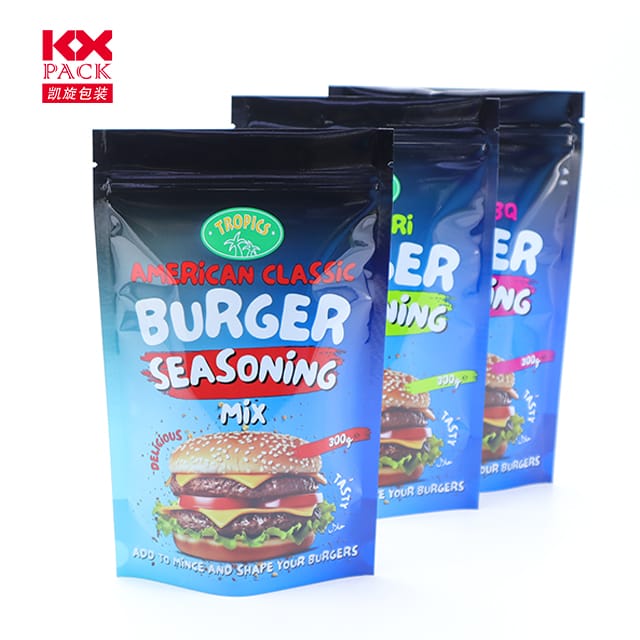
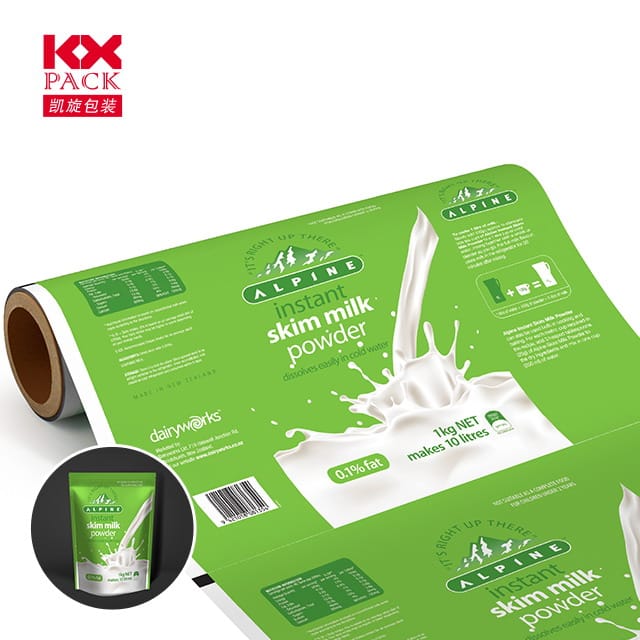
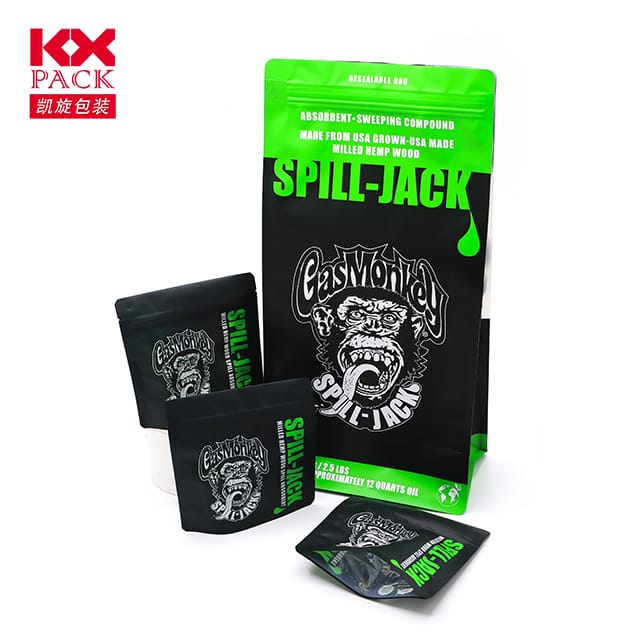
In the modern food industry, food packaging plastic roll film is the unsung hero that keeps our snacks fresh, ons vlees hygiënisch, en onze producten beschermd. Van supermarktschappen tot e-commerce leveringen, dit flexibele materiaal speelt een cruciale rol bij het waarborgen van de voedselveiligheid, De houdbaarheidsleven verlengen, en afval verminderen. Maar naarmate de milieuproblemen groeien, how is the industry adapting to make plastic roll film more sustainable without compromising its essential functions? Laten we de uitdagingen verkennen, innovaties, and future of this vital packaging solution.
Why Plastic Roll Film Matters
- Preservation and Protection
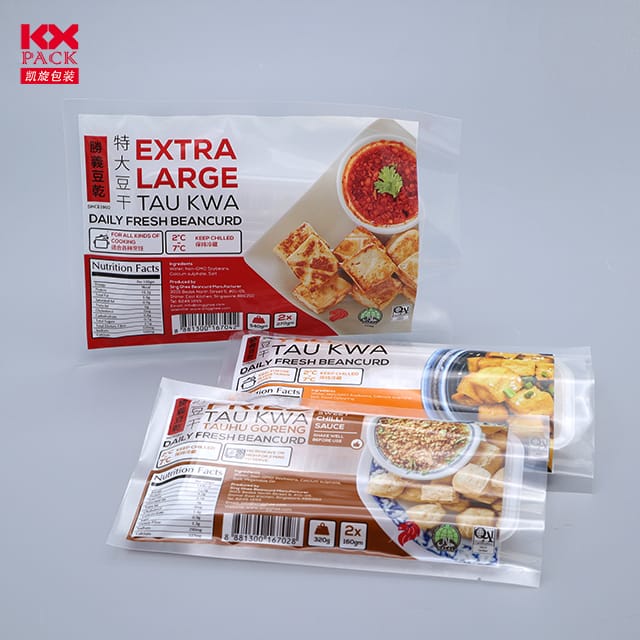
Plastic roll film acts as a barrier against moisture, zuurstof, licht, en verontreinigingen, preserving food quality and preventing spoilage. Bijvoorbeeld, vacuum-sealed meats or modified-atmosphere-packaged (KAART) salads rely on high-performance films to stay fresh longer. - Gemak en veelzijdigheid
Its flexibility allows for easy shaping, afdichting, en maatwerk, making it ideal for a wide range of products—from single-serve yogurt cups to bulk cereal bags. Brands can also print vibrant labels directly onto the film, enhancing product visibility. - Kosteneffectiviteit en schaalbaarheid
Roll film is efficient to produce, vervoer, and use on automated packaging lines, reducing costs for manufacturers and consumers alike.
De milieu-uitdaging
Ondanks de voordelen ervan, traditional plastic roll film faces scrutiny due to its reliance on fossil fuels and low recycling rates. Plastic voor eenmalig gebruik belandt vaak op stortplaatsen of in de oceanen, bijdragen aan de vervuiling. Here’s how the industry is tackling these issues:
- Switching to Sustainable Materials
- Bioplastics: Derived from renewable resources like corn starch or sugarcane, biodegradable and compostable films are gaining traction. Echter, challenges remain in ensuring compatibility with recycling streams and maintaining barrier properties.
- Gerecycleerde inhoud: Merken integreren post-consumer gerecycled materiaal (PCR) plastics into roll film, reducing demand for virgin materials.
- Op papier gebaseerde hybriden: Combining plastic with paper layers offers a recyclable or compostable alternative for certain applications.
- Designing for Recyclability
Monomaterial films (gemaakt uit één soort kunststof, zoals PE of PP) are easier to recycle than multi-layer composites. Innovations in adhesive-free lamination and solvent-based coatings aim to improve recyclability without sacrificing performance. - Reducing Waste Through Lightweighting
Dunner, high-strength films use less material while maintaining durability, cutting both costs and environmental impact.
Innovaties die verandering stimuleren
- Actieve en intelligente verpakking
Films embedded with oxygen scavengers, antimicrobiële middelen, or temperature indicators can extend shelf life further, reducing food waste—a far greater environmental concern than packaging itself. - Home-Compostable Films
New formulations break down in home compost bins within months, offering a convenient eco-friendly option for consumers. - Chemical Recycling Technologies
Advanced recycling processes can break down mixed plastics into raw materials for new film production, het sluiten van de kringloop op het gebied van afval.
De weg voor ons: Collaboration is Key
Achieving a sustainable future for food packaging plastic roll film requires a collective effort:
- Beleidsondersteuning: Governments can incentivize recyclability standards and invest in recycling infrastructure.
- Consumentenopleiding: Encouraging proper disposal and supporting brands that prioritize sustainability.
- Partnerschappen in de sector: Collaboration between material suppliers, packaging manufacturers, and food producers to innovate at scale.
Conclusie
Food packaging plastic roll film is a testament to human ingenuity—a material that protects, preserves, and connects us to the food we love. While its environmental footprint cannot be ignored, the industry is rising to the challenge with smarter materials, circular designs, and a focus on reducing waste. Als consumenten, we too hold power: by choosing brands committed to sustainability and advocating for change, we can help steer the future of packaging toward a greener horizon.
Wat is uw mening over plastic verpakkingen?? Have you noticed any innovative solutions in your local stores? Deel hieronder uw gedachten! 🌱🍃