De evolutie en impact van plastic verpakkingsfilms: Balancerende functionaliteit en duurzaamheid
Plastic verpakkingsfilms
In het huidige snelle consumentenlandschap, plastic verpakkingsfolies have become ubiquitous, Zwijgend alles waarborgen, van verse producten tot elektronica. Deze veelzijdige materialen, Bekend om hun lichtgewicht duurzaamheid, vochtbestendigheid, en kostenefficiëntie, hebben een revolutie teweeggebracht hoe producten consumenten bereiken. Nog, Hun milieuvoetafdruk heeft verhitte debatten aangewakkerd. Let’s unpack the world of plastic packaging films—exploring their benefits, uitdagingen, and the innovative strides toward a greener future.
1. The Workhorses of Modern Packaging
Plastic packaging films, inclusief polyethyleen (PE), polypropyleen (PP), en polyester (HUISDIER), are engineered to meet diverse needs.
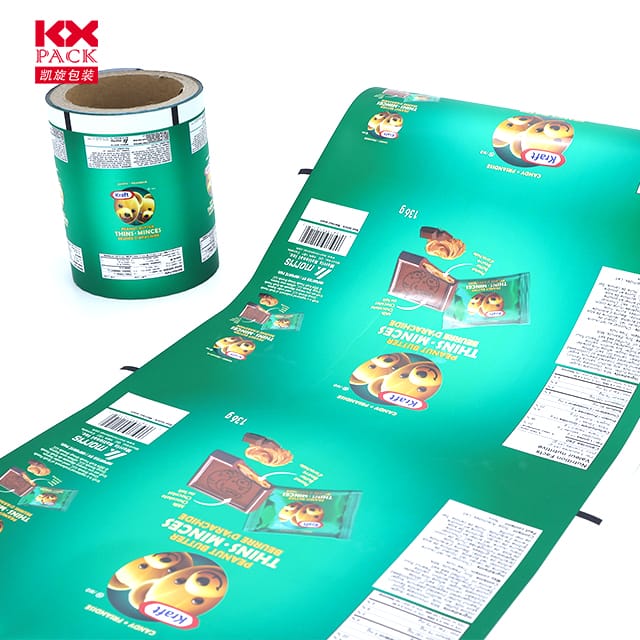
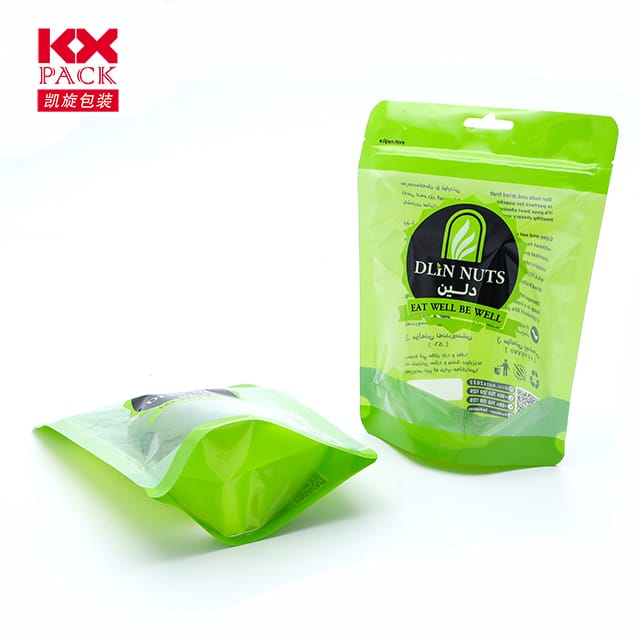
- Voedselbehoud: Films zoals Bopp (Biaxiaal georiënteerd polypropyleen) are staples in snack packaging, offering transparency, vocht barrières, en bedrukbaarheid. Bijvoorbeeld, potato chip bags rely on multi-layered films to maintain crispness and shelf life.
- Agricultural Applications: LDPE (Polyethyleen met lage dichtheid) films shield crops from pests and weather, extending growing seasons and reducing food waste before harvest.
- Industrial and Medical Uses: Stretch films secure pallets during transit, while sterilized medical-grade films protect surgical instruments.
Their adaptability across industries underscores their indispensability—but at what cost?
2. De milieuparadox
While plastic films excel in performance, their drawbacks are hard to ignore:
- Afval voor eenmalig gebruik: A staggering 36% of all plastic produced globally is used in packaging, een groot deel ervan wordt na eenmalig gebruik weggegooid. Films like cling wrap or shopping bags often end up in landfills or oceans, taking centuries to decompose.
- Recyclinghindernissen: Many films are challenging to recycle due to contamination, multi-layer compositions, of gebrek aan infrastructuur. Bijvoorbeeld, composite films used in coffee packaging (Bijv., foil-lined pouches) are rarely accepted in curbside programs.
- Microplastische vervuiling: Degraded films fragment into microplastics, infiltrating ecosystems and even human food chains.
3. Innovaties die duurzaamheid stimuleren
The packaging industry is racing to address these challenges with cutting-edge solutions:
- Biologisch afbreekbare en composteerbare films: Bedrijven zoals TIPA Corp En Novamont are pioneering compostable films made from plant-based materials (Bijv., corn starch or algae). These break down in industrial composting facilities within weeks, een levensvatbaar alternatief bieden voor traditionele kunststoffen.
- Recyclable Mono-Material Films: Brands are shifting to single-polymer films (Bijv., 100% PE of PP) om de recycleerbaarheid te verbeteren. Bijvoorbeeld, ProAmpac'S ProActive Recyclable films are designed for easy sorting and reprocessing.
- Chemical Recycling Breakthroughs: Geavanceerde recyclingtechnologieën, zoals pyrolyse, convert mixed plastic waste into fuels or raw materials for new films, closing the loop on circularity.
- Barrier Coatings from Nature: Innovators are using chitosan (from crustacean shells) of nanovezels van cellulose to create biodegradable barriers, reducing reliance on fossil-fuel-based chemicals.
4. Consumer and Corporate Responsibility
The transition to sustainable packaging isn’t just a manufacturer’s job—consumers and policymakers play pivotal roles:
- Educating Shoppers: Clear labeling (Bijv., “Home Compostable” vs. “Recyclable”) and awareness campaigns can reduce contamination in recycling streams.
- Bedrijfsverplichtingen: Giants like Unilever En Nestelen have pledged to slash virgin plastic use and invest in recyclable/compostable packaging by 2025.
- Policy Levers: Uitgebreide producentenverantwoordelijkheid (EPR) laws in the EU and U.S. hold brands accountable for waste, incentivizing eco-design.
5. De weg voor ons: Een hybride aanpak
While no single solution will solve the plastic crisis, a hybrid approach shows promise:
- Herbruikbare systemen: Refill stations and returnable packaging (Bijv., Loop’s durable containers) minimize single-use waste.
- Slimme films: Temperature-sensitive or RFID-tagged films could optimize supply chains, reducing over-packaging.
- Mondiale samenwerking: Cross-industry partnerships (Bijv., de De nieuwe plasticeconomie van de Ellen MacArthur Foundation) are accelerating innovation and standardization.
Conclusie: Rethinking the Role of Plastic Films
Plastic packaging films are here to stay—but their future must be redefined. By prioritizingRecycllabaliteit, compostability, and reduced material use, the industry can curb its environmental impact without sacrificing functionality.
Als consumenten, we hold power too: Choose brands committed to sustainability, recycle diligently, and advocate for systemic change. Tenslotte, the films that wrap our daily lives should protect both our products and our planet.
Wat is uw mening over plastic verpakkingsfolies?? Share your thoughts or tips for sustainable swaps below! 🌍🛍️♻️
Trefwoorden: plastic verpakkingsfolies, duurzaamheid, biologisch afbreekbare verpakking, recycling, circulaire economie, voedsel verpakking, impact op het milieu.