Fleksibiliti dan kepentingan gulungan filem plastik: Pandangan lebih dekat (1)
Filem plastik
Dalam dunia di mana kemampanan, perlindungan, dan kecekapan adalah yang paling utama, Gulungan filem plastik yang rendah hati memainkan peranan yang lebih penting daripada yang mungkin difikirkan pada mulanya. Dari pembungkusan dan pemeliharaan makanan ke pembinaan dan pertanian, gulungan filem plastik telah menjadi sangat diperlukan di pelbagai industri. Hari ini, Mari kita menyelidiki fleksibiliti, aplikasi, dan dialog berterusan mengenai penggunaan gulungan filem plastik.
Dunia gulungan filem plastik serba boleh
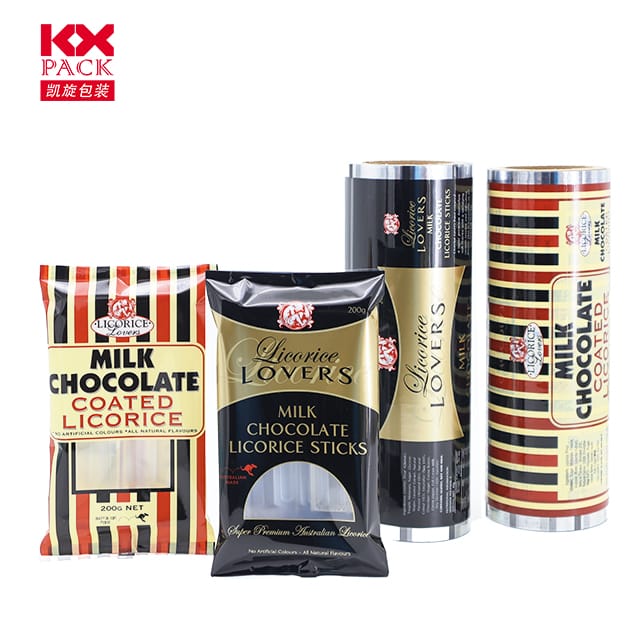
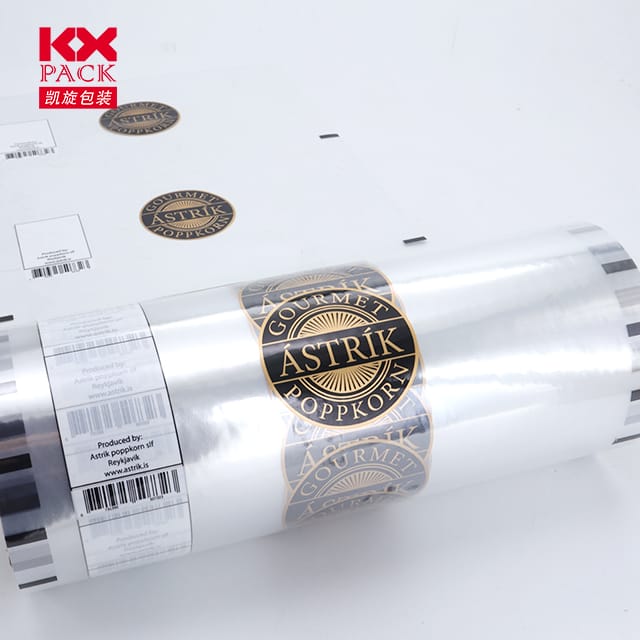
Gulung filem plastik terdapat dalam pelbagai bahan, ketebalan, dan lebar, masing-masing disesuaikan untuk memenuhi keperluan tertentu. Polietilena (PE), polipropilena (PP), polivinil klorida (PVC), dan polietilena tereftalat (PET) adalah antara jenis yang paling biasa. Bahan ini menawarkan sifat yang berbeza seperti fleksibiliti, kekuatan, kejelasan, dan kebolehtelapan gas, menjadikannya sesuai untuk pelbagai aplikasi.
Aplikasi Utama
- Pembungkusan dan Pemeliharaan
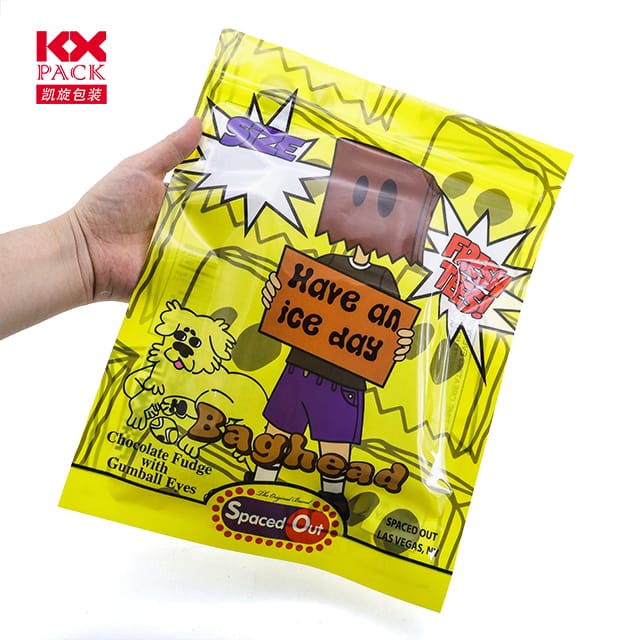
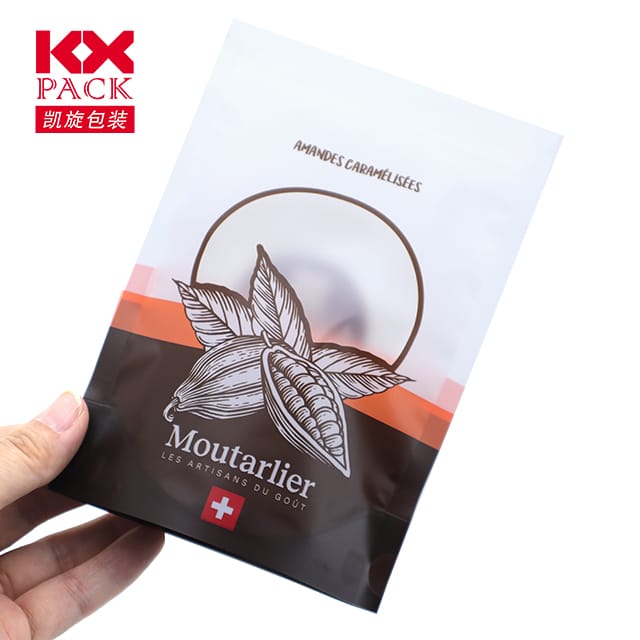
- Pembungkusan Makanan: Filem plastik memanjangkan jangka hayat barang mudah rosak dengan mencipta penghalang terhadap oksigen, lembapan, dan bahan cemar. Daripada balutan hasil segar kepada pembungkusan suasana yang diubah suai untuk daging dan produk tenusu, filem platik memainkan peranan penting dalam keselamatan makanan dan pengurangan sisa.
- Pembungkusan Industri: Dalam sektor perindustrian, filem plastik digunakan untuk membungkus komponen elektronik, bahagian jentera, dan item sensitif lain, memberikan perlindungan terhadap habuk, lembapan, dan kerosakan fizikal.
- Pertanian
- Sungkupan Fils: Fim plastik pertanian digunakan sebagai sungkupan untuk mengawal rumpai, mengekalkan kelembapan tanah, dan mengawal suhu, sekali gus meningkatkan hasil dan kualiti tanaman.
- Terowong dan Penutup Rumah Hijau: Filem plastik jernih atau lut sinar membenarkan cahaya matahari menembusi, mewujudkan persekitaran terkawal yang kondusif untuk pertumbuhan tumbuhan.
- Pembinaan
- Penghalang Wap: Dalam pembinaan, fim plastik berfungsi sebagai penghalang wap, menghalang kelembapan daripada menembusi dinding, lantai, dan bumbung, sekali gus melindungi integriti struktur bangunan.
- Lapisan bawah: Digunakan di bawah lantai dan jubin, filem plastik menyediakan licin, permukaan tahan lembapan, memastikan pemasangan yang tahan lama dan tahan lama.
- Isi rumah dan DIY
- Penyelesaian Storan: Daripada melindungi perabot semasa bergerak kepada menyimpan barangan bermusim, fim plastik menawarkan penyelesaian yang kos efektif dan menjimatkan ruang.
- Projek DIY: Penggemar DIY kreatif sering menggunakan filem plastik untuk pelbagai projek, daripada mewujudkan rumah hijau sementara kepada melindungi permukaan kerja semasa aktiviti kraf.
Cabaran Kelestarian
Walaupun gulungan fim plastik menawarkan banyak faedah, kesan alam sekitar mereka tidak boleh diabaikan. Plastik guna tunggal, khususnya, menyumbang dengan ketara kepada sisa tapak pelupusan sampah dan pencemaran laut. Sebagai tindak balas, banyak industri sedang meneroka alternatif seperti plastik biodegradasi dan kompos, serta menambah baik infrastruktur dan amalan kitar semula.
Inovasi dalam teknologi fim plastik juga tertumpu pada mengurangkan ketebalan sambil mengekalkan kekuatan dan kefungsian, seterusnya mengurangkan penggunaan bahan dan sisa. Selain itu, inisiatif seperti tanggungjawab pengeluar lanjutan (EPR) sedang menggalakkan pengeluar untuk mengambil peranan yang lebih proaktif dalam pengurusan kitaran hayat produk mereka, termasuk kitar semula selepas pengguna.
Kesimpulan
Gulungan fim plastik adalah bukti kepintaran manusia, menyesuaikan diri untuk memenuhi keperluan pelbagai sektor. Kepelbagaiannya, digabungkan dengan kemajuan berterusan dalam sains material dan amalan kemampanan, memastikan filem plastik akan terus memainkan peranan penting dalam kehidupan seharian kita. Sebagai pengguna dan pihak berkepentingan industri, adalah penting untuk mengambil kira jejak alam sekitar pilihan kami dan inisiatif sokongan yang bertujuan untuk mengurangkan sisa plastik dan mempromosikan prinsip ekonomi bulat.
Dengan menerima inovasi dan memupuk budaya tanggungjawab, kita boleh memanfaatkan faedah gulungan plastik fim sambil meminimumkan jejak ekologinya. Masa depan filem plastik, seperti banyak aspek dunia kita, terletak pada mencari keseimbangan antara kemajuan dan pemeliharaan.