Filem Pembungkus Makanan dan Filem Pembungkusan Makanan: Panduan Terunggul untuk Kesegaran, Keselamatan, dan Kelestarian
Apabila ia datang untuk mengekalkan rasa, tekstur, dan nilai pemakanan makanan kegemaran anda, wira yang tidak didendang dari dapur dan rantaian bekalan kami ialah Filem Bungkus Makanan dan filem pembungkusan makanan. Sama ada anda seorang tukang masak di rumah yang cuba mengekalkan lasagna malam tadi daripada kering, atau pengeluar makanan komersial yang menghantar hasil halus ke seluruh negara, memilih bahan yang betul adalah yang paling penting.
Tetapi mari kita jujur: dunia pembungkusan fleksibel boleh menjadi sangat mengelirukan. Dengan istilah seperti PVC, PE, sifat halangan, dan biodegradasi yang dibuang, bagaimana anda tahu apa yang sebenarnya berfungsi?
Dalam panduan komprehensif ini, kami akan membongkar semua yang anda perlu ketahui Filem Bungkus Makanan penyelesaian, meneroka inovasi terkini dalam filem pembungkusan makanan, dan membantu anda membuat maklumat, pilihan yang mementingkan alam sekitar.
Mengapa Filem Bungkus Makanan adalah Keperluan Dapur
Kami semua pernah ke sana—merenung avokado yang separuh dimakan, tertanya-tanya bagaimana untuk menghentikannya daripada bertukar menjadi coklat, bubur yang tidak menyelerakan. Di sinilah yang berkualiti tinggi Filem Bungkus Makanan melangkah masuk.
Pada terasnya, cling wrap direka bentuk untuk melakukan dua perkara dengan sangat baik: melekat pada permukaan dan menyekat oksigen.
Ilmu Regangan
Dari segi sejarah, polivinil klorida (PVC) adalah bahan utama untuk pembalut berpaut isi rumah kerana regangannya yang luar biasa dan kelekatan yang unggul. Namun begitu, apabila kebimbangan kesihatan dan alam sekitar berkembang, industri beralih dengan ketara ke arah Polietilena (PE).
PE moden Filem Bungkus Makanan menawarkan tidak toksik, Alternatif bebas BPA yang mengunci kelembapan dengan selamat tanpa melarutkan bahan kimia berbahaya ke dalam makanan anda. Ia mewujudkan ketat, persekitaran mikro yang melambatkan proses pengoksidaan secara drastik, menyimpan buah-buahan anda, sayur-sayuran, dan protein segar untuk beberapa hari lebih lama.
Memartabatkan Permainan: Filem Pembungkusan Makanan Komersial
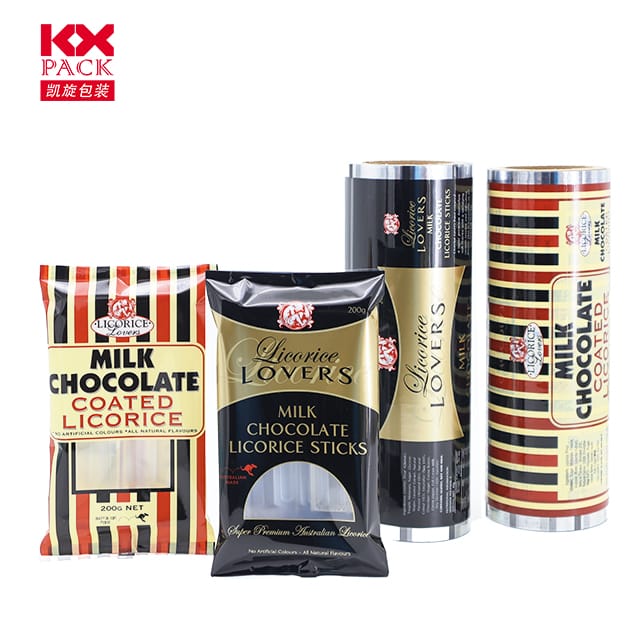
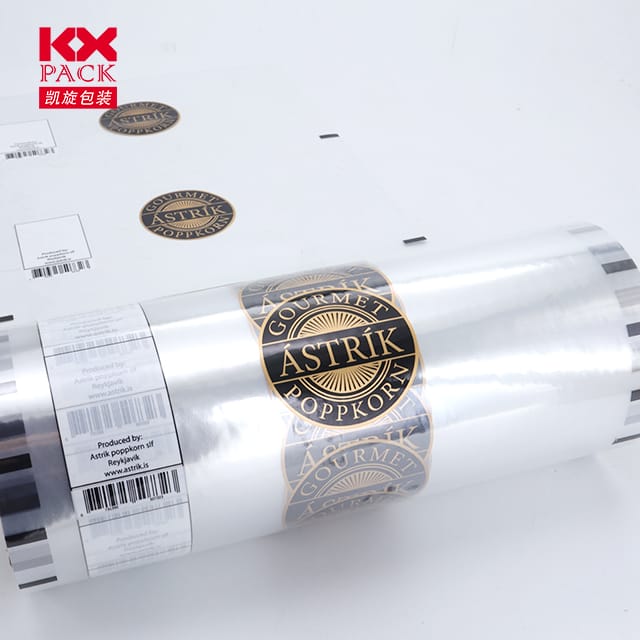
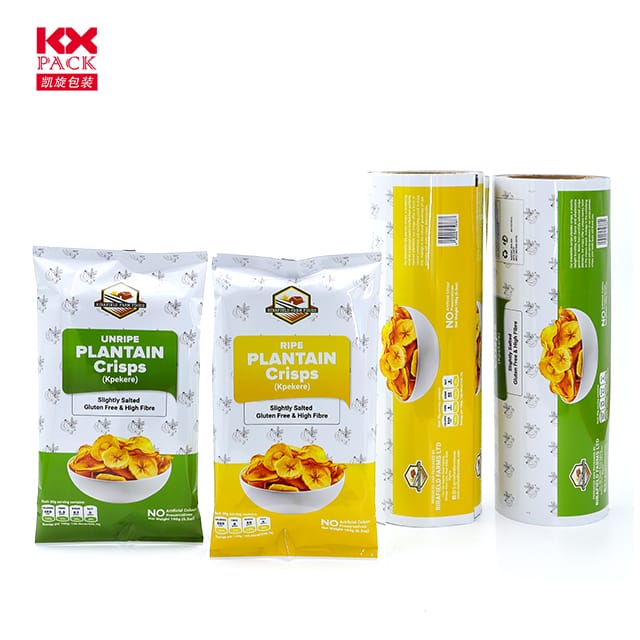
Walaupun pembalut berpaut standard sesuai untuk pemeliharaan jangka pendek pada skala domestik, industri makanan global menuntut sesuatu yang jauh lebih mantap. Masuk industri filem pembungkusan makanan. Ini bukan bungkus kedai runcit biasa anda; mereka sangat kejuruteraan, keajaiban teknologi berbilang lapisan yang direka untuk memanjangkan jangka hayat dari hari ke bulan.
1. Pembungkusan Suasana yang Diubahsuai (PETA)
Pernahkah anda terfikir bagaimana sayur salad yang dibungkus akan kekal segar selama berminggu-minggu? Rahsianya terletak pada khusus filem pembungkusan makanan digunakan dalam MAP. Filem ini direka bentuk dengan kadar kebolehtelapan gas tertentu. Mereka membenarkan keseimbangan oksigen yang tepat, Karbon dioksida, dan nitrogen wujud di dalam bungkusan, berkesan meletakkan proses penuaan makanan “untuk tidur.”
2. Filem Penghalang Tinggi
Untuk daging, keju, dan makanan yang diproses, kelembapan dan oksigen adalah musuh awam nombor satu. Maju filem pembungkusan makanan gunakan berbilang lapisan—selalunya menggabungkan nilon, Evoh, dan polietilena—untuk mencipta penghalang yang tidak boleh ditembusi. Ini menghalang pembakaran beku, mengunci aroma, dan menghapuskan risiko pencemaran silang semasa transit.

Revolusi Hijau: Penyelesaian Pembungkusan Mesra Alam
Mari kita panggil gajah di dalam bilik: sisa plastik. Kebergantungan tradisional pada plastik sekali guna Filem Bungkus Makanan sudah pasti telah menyumbang kepada ketegangan alam sekitar. Mujurlah, industri pembungkusan sedang mengalami transformasi hijau besar-besaran.
Pengguna hari ini menuntut kemampanan, dan pengilang sedang melangkah ke hadapan dengan inovasi terobosan:
- PLA (Asid polylactic) Filem: Diperolehi daripada sumber boleh diperbaharui seperti kanji jagung atau tebu, filem ini boleh dikompos sepenuhnya dalam keadaan industri.
- Balutan Berasaskan Selulosa: Diperbuat daripada pulpa kayu, ini memberikan kejelasan dan sifat penghalang yang sangat baik sambil terbiodegradasi secara semula jadi.
- Monomaterials yang boleh dikitar semula: Secara tradisinya, filem berbilang lapisan adalah mustahil untuk dikitar semula kerana lapisan tidak dapat dipisahkan. Kejuruteraan baharu membolehkan berbilang lapisan filem pembungkusan makanan dibuat sepenuhnya daripada keluarga polimer yang sama (seperti semua polietilena), membuat mereka 100% boleh dikitar semula.
Memilih alternatif mesra alam tidak bermakna mengorbankan prestasi lagi. Filem berasaskan bio terbaharu menawarkan kepatuhan yang sama, kejelasan, dan kekuatan sebagai nenek moyang berasaskan petroleum mereka.
Cara Memilih Filem yang Tepat untuk Keperluan Anda
Dengan begitu banyak pilihan yang ada di pasaran, memilih bahan yang sesuai boleh berasa amat memberangsangkan. Berikut ialah pecahan pantas untuk membimbing keputusan anda:
| Permohonan | Bahan yang Disyorkan | Faedah Utama |
| Sisa Harian & Penggunaan Domestik | Polietilena (PE) Filem Bungkus Makanan | selamat, bebas bahan kimia, mudah digunakan |
| Daging Segar & ayam itik (Komersil) | PVC atau Filem Tersemperit Bersama Penghalang Tinggi | Kawalan penghantaran oksigen yang sangat baik, kejelasan premium |
| Makanan beku | Berlapis filem pembungkusan makanan (PET/PE) | Rintangan tusukan yang tinggi, menghalang pembakaran beku |
| Jenama Sedar Eko | PLA boleh kompos atau PE Monomaterial | Mengurangkan jejak karbon, menarik kepada pengguna hijau |
Amalan Terbaik untuk Penyimpanan Makanan Selamat
Untuk mendapatkan yang terbaik sepenuhnya daripada anda Filem Bungkus Makanan, ingat petua praktikal ini:
- Elakkan Haba Tinggi: Melainkan filem dilabel secara eksplisit sebagai “microwave selamat,” elakkan daripada membiarkannya menyentuh makanan berminyak atau tinggi gula semasa dipanaskan, kerana haba yang kuat boleh menyebabkan filem itu cair.
- Pastikan Kedap Ketat: Semasa membungkus bekas, pastikan tepi kering. Rim kering membolehkan Filem Bungkus Makanan untuk membentuk ikatan kedap udara yang betul.
- Simpan Betul: Simpan gulungan filem anda yang tidak digunakan dalam keadaan sejuk, tempat kering jauh dari cahaya matahari langsung untuk mengekalkan kualiti pelekatnya.
Fikiran Akhir: Masa Depan Pengawetan Makanan
Evolusi daripada Filem Bungkus Makanan dan komersial filem pembungkusan makanan membuktikan bahawa kita tidak perlu memilih antara keselamatan makanan dan tanggungjawab alam sekitar. Apabila teknologi bergerak ke hadapan, kita boleh menantikan pembungkusan yang lebih bijak—filem yang bertukar warna apabila makanan rosak, atau bungkus yang boleh dimakan yang diperbuat daripada protein rumpai laut.
Dengan memahami bahan yang kita gunakan untuk melindungi makanan kita, kita dapat mengurangkan pembaziran makanan, jimat duit, dan buat pilihan yang menghormati planet kita.
Apakah pendapat anda tentang masa depan pembungkusan mampan? Adakah anda telah menukar kepada pembalut boleh kompos lagi? Beritahu kami dalam ulasan di bawah!