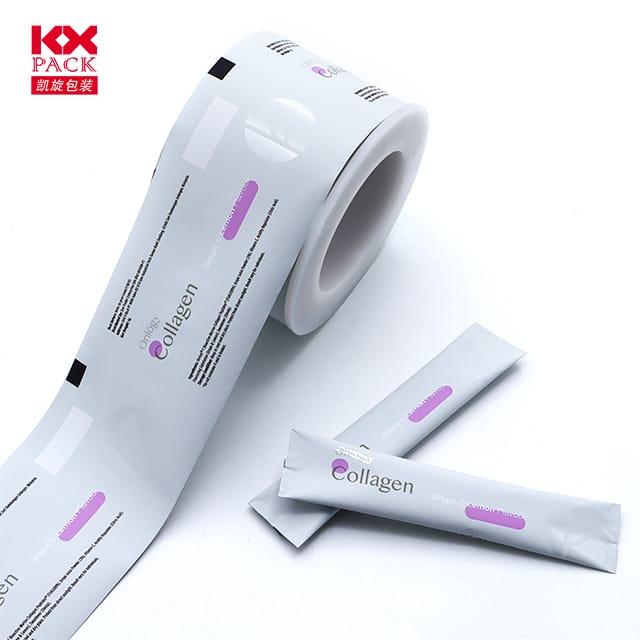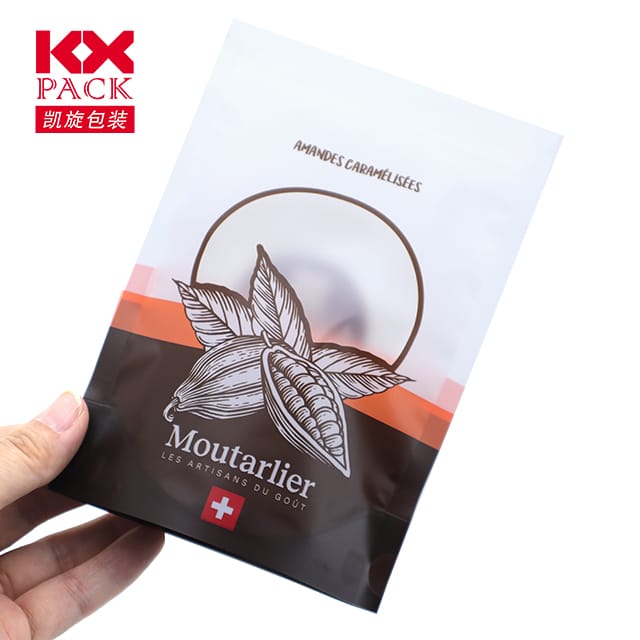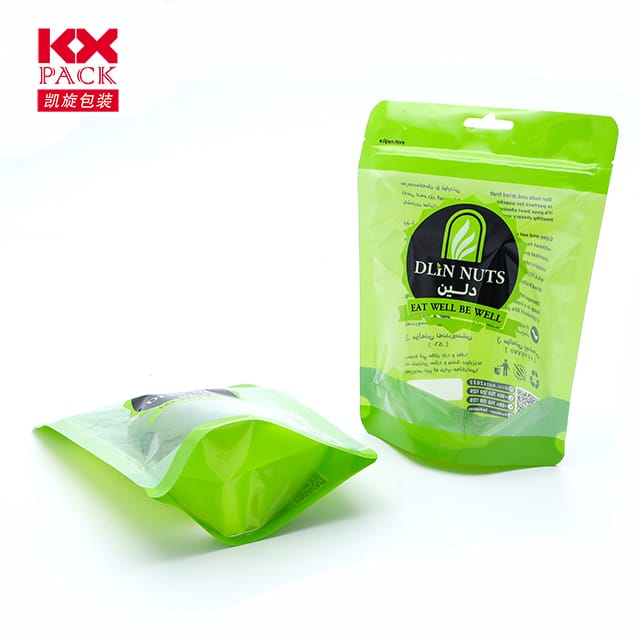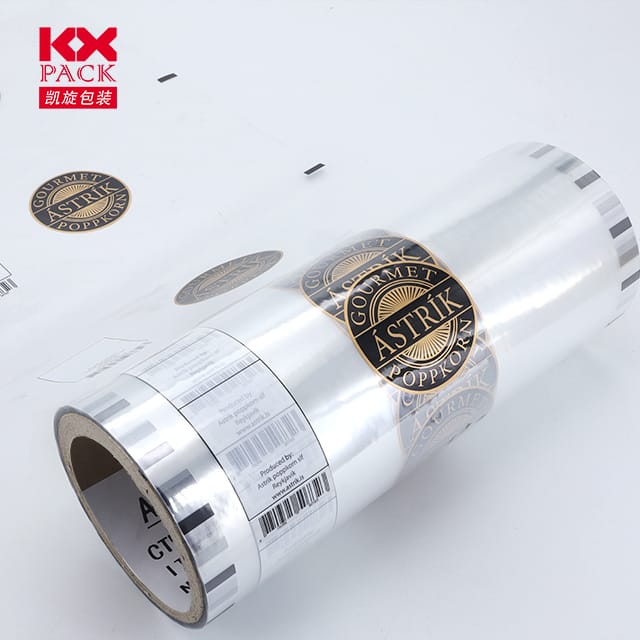
Хуванцар боодлын киноны хувьсал, хүрээлэн буй орчны нөлөөлөл: Давхар иртэй сэлэм
Хуванцар боодлын кино
In the realm of modern Хуванцар боодлын кино, хуванцар боодлын кино нь хүрээлэн буй орчинд, хүрээлэн буй орчны яаралтай тусламжийн тэмдэглэгээтэй байдаг. 1930 онд гарсан лабораторид өрх, үйлдвэрчдээс үүдэлтэй, энэ туранхай, ил тод материал нь хувьсгалын хадгалалттай байдаг, Бүтгүй тээврийн, and consumer habits. Атал, as its usage skyrockets, so too do concerns about its ecological footprint. Let’s delve into the story of plastic wrapping film—its origins, шинэ намхан, and the pressing need for sustainable alternatives.
The Birth of a Sticky Innovation
The tale of Хуванцар боодлын кино begins with a chemical mishap. In the 1930s, researchers at Dow Chemical were experimenting with hydrocarbon and chlorine, aiming to create a new product from the by-products of dry-cleaning agents. Оронд, they stumbled upon Поливинолаг хлорид (Хаталт өг), a polymer that clung stubbornly to the bottom of beakers. Initially developed as a protective spray for U.S. fighter planes during World War II, PVDC later evolved into the commercial plastic wrap we know today. Launched in 1949 as “Saran Wrap,” it became a household staple, praised for its ability to seal in freshness and extend the shelf life of food.
Chemistry and Controversy: The Material Science Behind the Wrap
PVDC’s secret lies in its chlorine atoms, which create a strong dipole-dipole interaction, making the film adhere to itself and surfaces. Гэсэн хэдий ч, environmental and health concerns have prompted manufacturers to pivot toward alternatives likeПоливинил хлорид (Татах PSV) болонБага нягтралтай полиэтилен (Шимүүдсэн). While LDPE is cheaper and more flexible, it lacks PVDC’s clinginess, necessitating the addition of plasticizers—such as phthalates, linked to hormonal disruptions—to improve performance.
The shift in materials hasn’t silenced critics. Studies highlight risks when plastic wrap is heated, as in microwaves, where chemicals likeBisphenol A (Бааз) and phthalates can leach into food. Чөлөөхэнүүхэн, the non-biodegradable nature of these polymers means discarded wraps persist in ecosystems for centuries, contributing to the global plastic crisis.
Beyond the Kitchen: Industrial and Agricultural Applications
Plastic wrapping film’s utility extends far beyond food storage. Хөдөө аж ахуйд, it coats greenhouses, trapping heat and moisture to boost crop yields. Logistics industries rely on stretch film to secure pallets, reducing damage during transit. Even in healthcare, sterile packaging employs plastic films to maintain hygiene.
Атал, these benefits come at a cost. A single roll of plastic wrap may take 200–500 years to decompose, with discarded fragments infiltrating soil, усны цаас, and marine life. Я Мирх, далайн эрэг, and cows often mistake plastic for food, leading to fatal digestive blockages.
The Quest for Sustainability: Инноваци, хувилбарууд
Recognizing the urgency, researchers and companies are exploring eco-friendly solutions:
- Био задалж авах кино: Derived from plant-based polymers like polylactic acid (PLA), these films decompose in compost within months.
- Дельбаг: Далайн ургамал эсвэл цардуулгаар хийсэн, these barriers protect food without waste.
- Paper-Based Packaging: Innovations like FlatSkin®—which reduces plastic use by 75% in meat packaging—demonstrate paper’s potential as a recyclable, renewable alternative.
- Дахин ашиглах боломжтой системүүд: Силикон таглаа, beeswax боолт, and glass containers offer durable, zero-waste options for households.
The Consumer’s Role: Mindful Choices for a Greener Future
While systemic change is essential, individual actions matter. Opting for reusable containers, supporting brands with sustainable packaging, and advocating for policy reforms can collectively reduce plastic demand. Small steps, like avoiding plastic wrap for leftovers or choosing products in paper packaging, send a powerful market signal.
Дүгнэлт: Тэнцвэржүүлэх ахиц дэвшил, гараг
Plastic wrapping film is a testament to human ingenuity—a material that transformed food safety and industrial efficiency. Атал, its environmental toll demands reevaluation. As we stand at the crossroads of innovation and sustainability, the challenge is clear: harness the convenience of plastic without compromising the planet’s future. Biodegradicable материалд хөрөнгө оруулалт хийх замаар, recycling infrastructure, болон хэрэглэгчийн боловсрол, we can wrap the world in progress while preserving it for generations to come.
What’s your take on plastic wrap? Доорх сэтгэгдлүүдэд бодлоо эсвэл байгальд ээлтэй хакеруудыг хуваалцана уу! Ий