Уян хатан хүнсний сав баглаа боодлын хальсыг савлах эцсийн гарын авлага: Чиг хандлага, Материал, тогтвортой байдал
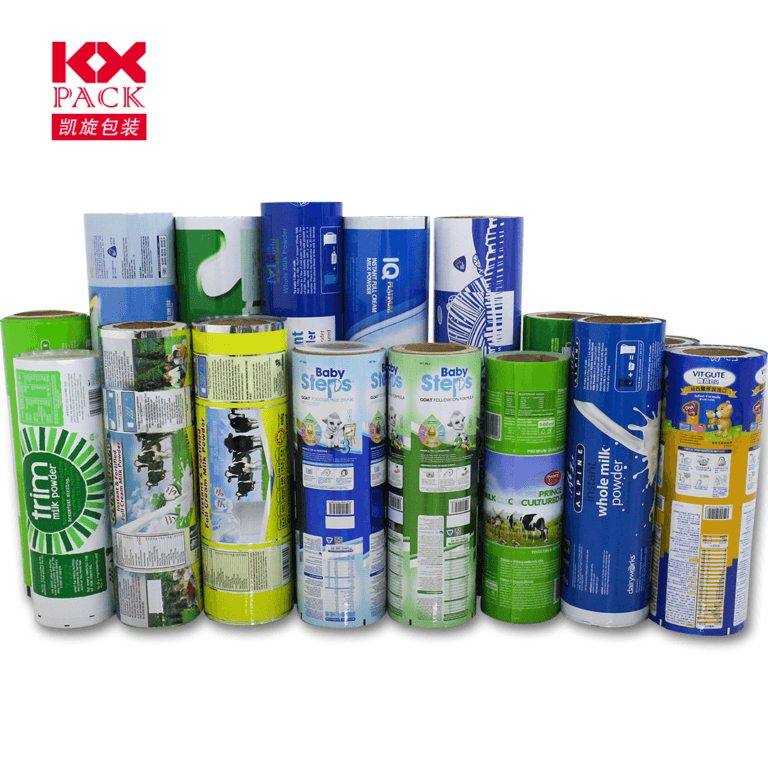
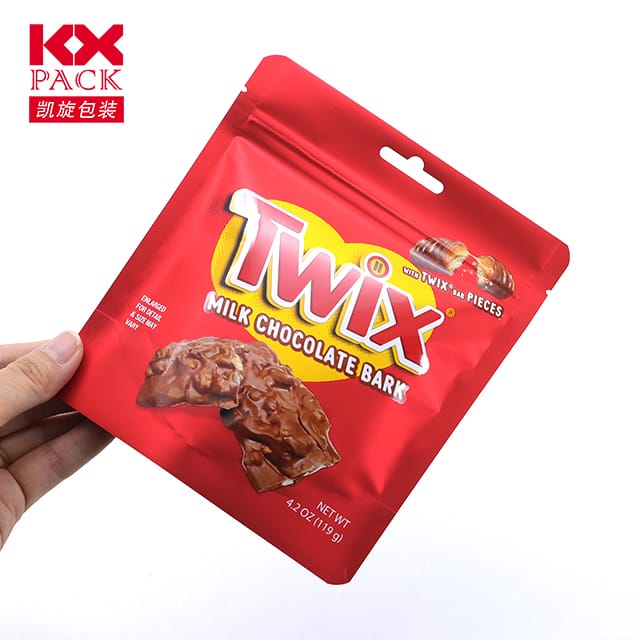
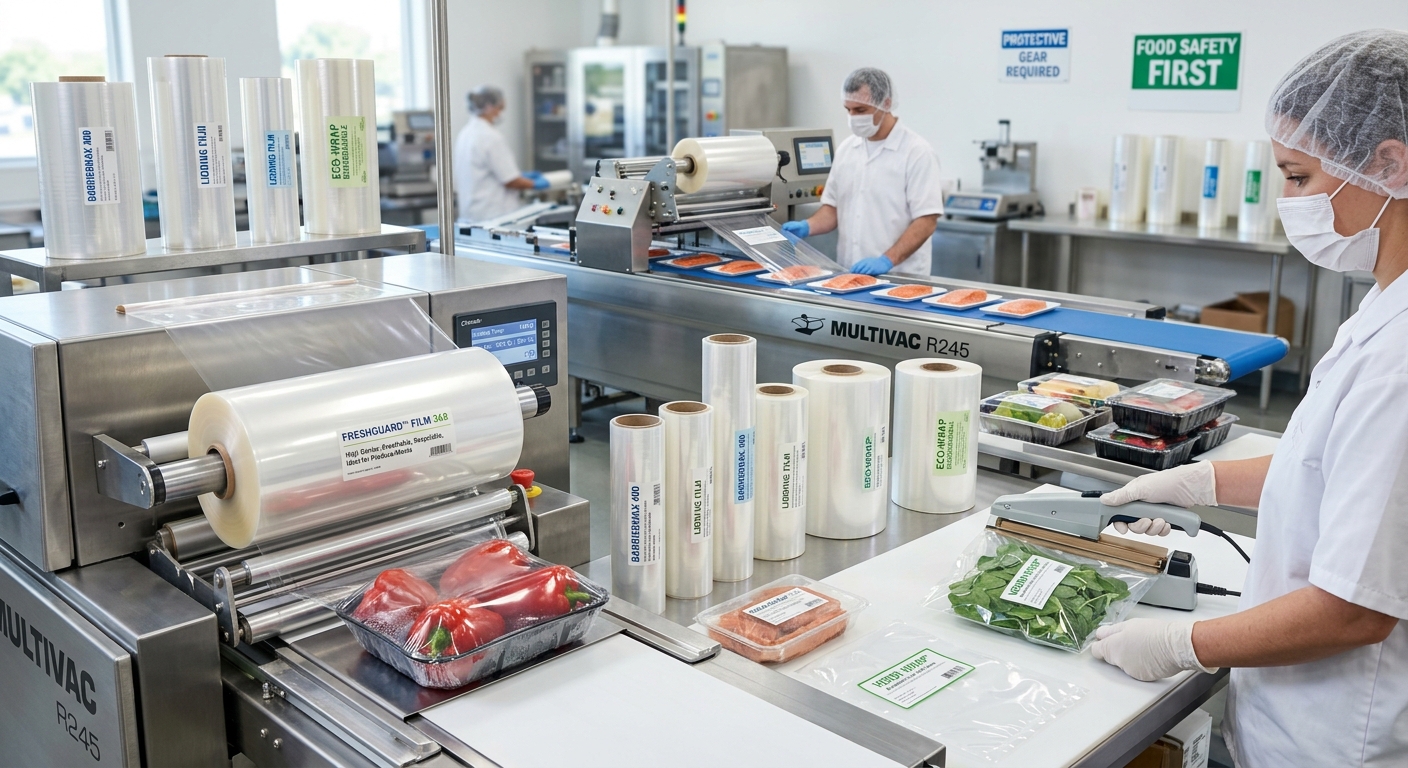
Орчин үеийн хүнсний хадгалалтын тухай ярихад, packaging flexible хүнсний сав баглаа боодлын хальс have completely revolutionized how we store, тээвэр, мөн бидний дуртай бүтээгдэхүүнүүдийг хэрэглэдэг. Төмсний чипстэй уутны жигнэмэгээс эхлээд вакуумаар битүүмжилсэн үхрийн махны шинэхэн байдал хүртэл, уян хатан кино бол дэлхийн хүнсний хангамжийн сүлжээний үл мэдэгдэх баатрууд юм.
But what exactly goes into engineering these ultra-thin, high-performance materials? And as consumer demands shift toward eco-friendly solutions, how is the industry balancing shelf-life extension with environmental responsibility? Let’s dive deep into the science, тал нь, and future of flexible food packaging.
Why Flexible Food Packaging Films Dominate the Market
Ямар ч хүнсний дэлгүүрийн хонгилоор алхаарай, and you’ll quickly realize that rigid glass jars and heavy tin cans are losing ground. Packaging flexible хүнсний сав баглаа боодлын хальс have taken over because they offer an unmatched combination of efficiency, хамгаалах, and branding real estate.
Here is why manufacturers and consumers alike are making the switch:
- Unrivaled Barrier Protection: Food spoils primarily due to exposure to oxygen, чийг, ба uv гэрэл. Advanced flexible films are engineered with microscopic layers that act as an impenetrable shield, drastically cutting down on food waste.
- Resource Efficiency: It takes significantly less energy and raw material to manufacture a flexible pouch than a rigid plastic or glass container. This translates directly to a lower carbon footprint during production.
- Logistical Cost Savings: Flexible films are incredibly lightweight and ship flat. A single truck carrying empty flexible pouches can hold the equivalent of up to 25 trucks carrying empty glass jars. That is a massive reduction in transportation emissions and fuel costs.
Deconstructing the Anatomy of a Food Packaging Film
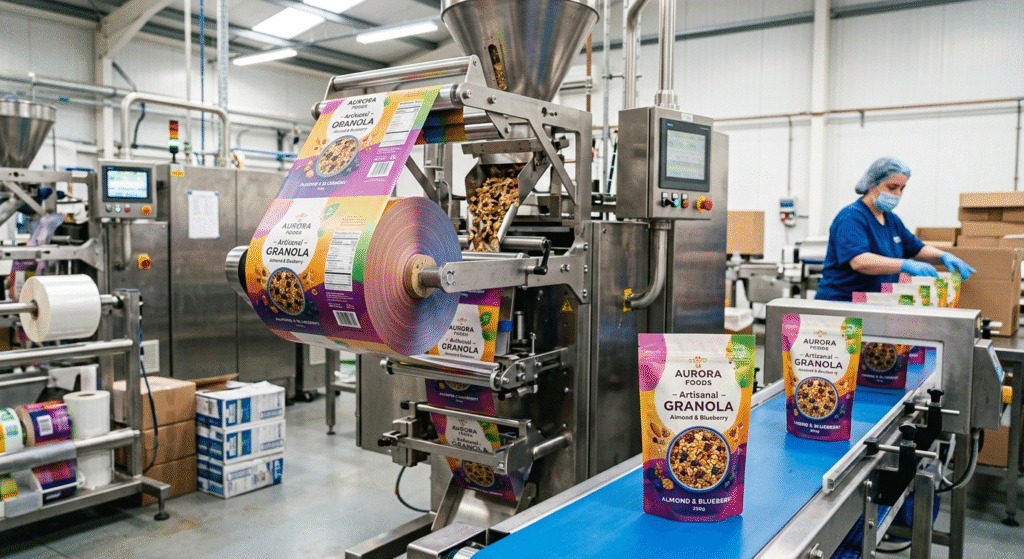
Бүх кинонууд нь тэнцүү биш юм. In fact, that seemingly simple piece of plastic wrapping your cheese is likely a highly complex, multi-layered laminate. Each layer serves a distinct, critical purpose.
1. The Outer Layer (Print & Гоо зүй)
Usually made of materials like PET (Полиэтилен Тефефалат) эсвэл Боп дугуй (Bixially чиглэсэн полиппропилен), this layer needs to withstand high printing temperatures and mechanical stress. It’s what gives the package its glossy or matte finish and vibrant branding.
2. The Core Barrier Layer (Хамгаалалт)
This is the heart of food preservation. Материаллаг материал Сүнс (Этилен Винил архи) or thin aluminum foil are sandwiched in the middle to block oxygen and moisture transfer. Even a layer as thin as a fraction of a human hair can extend a product’s shelf life from days to months.
3. The Inner Sealant Layer (Integrity)
Directly touching the food, this layer—typically made of Шимүүдсэн (Бага нягтралтай полиэтилен)—must be food-safe and capable of melting and sealing tightly under heat and pressure to prevent leaks.
Critical Trends Shaping the Flexible Packaging Industry
The landscape of packaging flexible food packaging films is evolving at a breakneck pace, driven by technological breakthroughs and shifting regulatory landscapes.
The Rise of Mono-Material Laminates
Түүхийн хувьд, multi-layer films were nearly impossible to recycle because sorting facilities couldn’t separate the PET from the PE or EVOH. Өнөөдөр, the industry is pivoting hard toward моно-материаллаг бүтэц—usually pure Polyethylene (PE) or Polypropylene (PP) дурсхийсэн. Through advanced polymer engineering, these single-material films mimic the barrier properties of traditional multi-layer plastics while being fully compatible with standard recycling streams.
High-Barrier Paperization
Can paper replace plastic? In some sectors, мон. Brand owners are experimenting with paper-based flexible barriers coated with water-based dispersion polymers. While they don’t yet match the extreme shelf-life capabilities of plastic for wet or highly sensitive foods, they are perfect for dry goods like confectionery and oats.
Ухаалаг, идэвхтэй сав баглаа боодол
Imagine a film that changes color when the food inside begins to spoil, or a film that actively absorbs ethylene gas to keep fruit fresher for longer. Active packaging is moving from the lab to the retail shelf, providing consumers with real-time freshness data and actively fighting food waste.
Addressing the Sustainability Elephant in the Room
Let’s be completely candid: the plastic waste crisis is top of mind for everyone. Хооронд packaging flexible food packaging films excel at reducing food waste (which itself is a massive contributor to greenhouse gases), their end-of-life management has historically been a weak point.
Гэсэн хэдий ч, the narrative is changing. Major CPG (Consumer Packaged Goods) brands have committed to making 100% of their packaging reusable, дахин боловсруулах боломжтой, or compostable within the decade. This has spurred massive investments in:
- Хэрэглэгч дахин боловсруулсан (Цэцэг Ктроо) Сэтгэл ханамжтай: Incorporating recycled plastics back into food-contact films via advanced chemical recycling.
- Биоусрадинж, бага зэрэг кинонууд: Utilizing PLA (Хар зүүлт) derived from cornstarch or PHA (Полихёнроксиалканууд) synthesized by marine microorganisms, allowing packaging to break down naturally without leaving microplastics behind.
Choosing the Right Flexible Film for Your Food Product
If you are a food manufacturer looking to optimize your packaging, there is no one-size-fits-all solution. You must evaluate your product’s specific vulnerabilities:
| Food Category | Primary Vulnerability | Recommended Film Characteristic |
| Fresh Red Meat | Oxygen exposure (өнгө өөрчлөгдөх) | High-barrier vacuum or MAP (Өөрчлөгдсөн уур амьсгалын сав баглаа боодол) кино |
| Нарийн боов & Талх | Moisture loss (staling) | High moisture-barrier macro-perforated films |
| Зууш яриа & Самар | Rancidity (fat oxidation) | Metallized or opaque UV-blocking films |
| Хөлдөөний хоол хүнс | Freezer burn & цоорхой | High-puncture resistance, low-temperature compliant PE |
Дүгнэлт: The Flexible Road Ahead
-ийн ертөнц packaging flexible food packaging films is a fascinating intersection of material science, culinary preservation, болон байгаль орчны нярав. As we look to the future, Зорилго нь тодорхой байна: creating circular economies where high-performance packaging protects our food flawlessly, and then seamlessly transitions into its next life cycle without harming the planet.
By staying informed on material innovations and shifting consumer expectations, businesses can choose packaging that not only protects their bottom line but also protects the world we live in.
What challenges is your business facing with transitioning to sustainable flexible packaging? Let’s get the conversation started in the comments below!