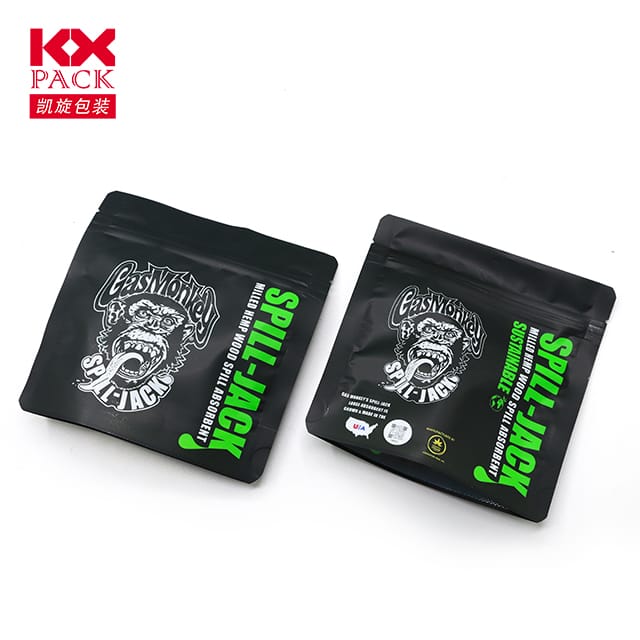
Drukātās iepakojuma filmas attīstība: Kā inovācijas pārveido produktu prezentāciju
Drukāta iepakojuma filma
In today’s hypercompetitive retail landscape, Produkta iepakojums vairs nav tikai aizsargājošs apvalks - tas ir dinamisks mārketinga rīks, kas tilta zīmola identitāti ar patērētāju pieredzi. Starp neskaitāmajiem iepakojuma risinājumiem, printed packaging film ir parādījies kā spēles mainītājs, Apvienojot funkcionalitāti ar augstas ietekmes vizuālajiem attēliem, lai aizrautu pircējus un pilnveidotu piegādes ķēdes. Let’s explore how this versatile material is evolving to meet modern demands.
1. Beyond Aesthetics: The Multifaceted Role of Printed Films
Drukāta iepakojuma filma are engineered to do far more than display logos or graphics. They serve as a canvas for storytelling, regulatory compliance, and even consumer engagement through smart technologies. Piemēram:
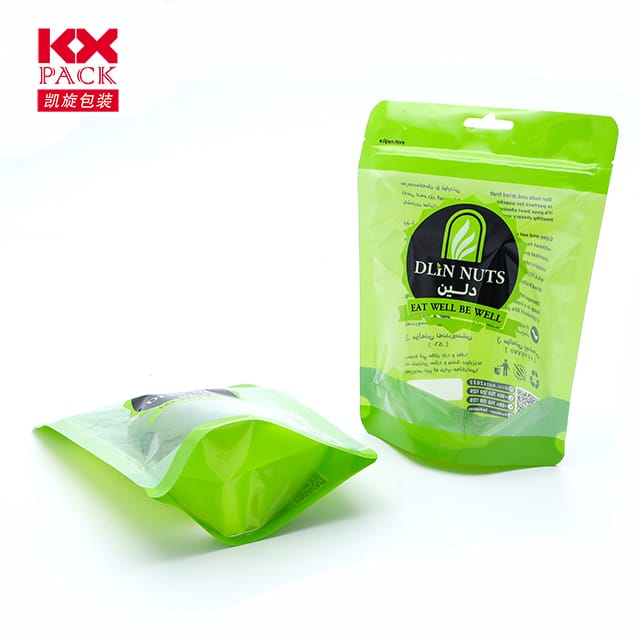
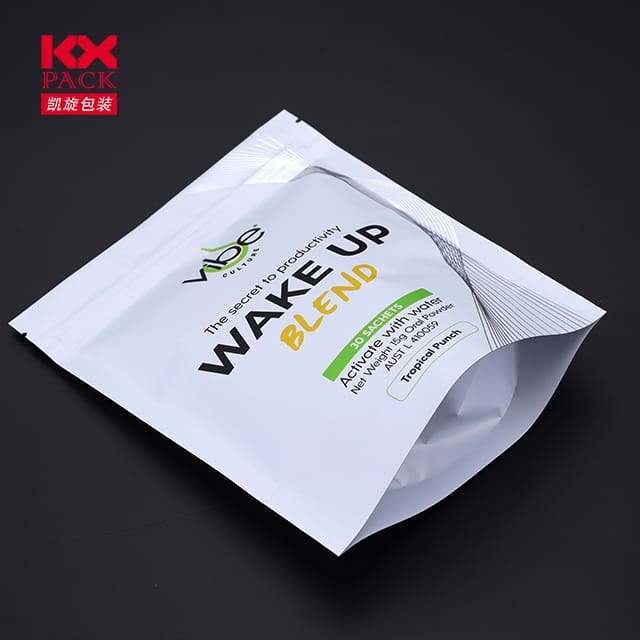
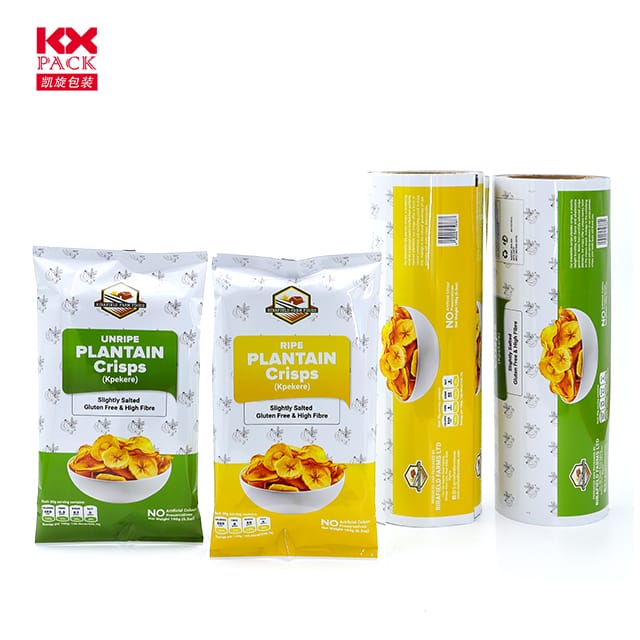
- Zīmola diferenciācija: In crowded aisles, dinamisks, high-definition prints on films like polypropylene (PP) or polyethylene (PE) help products stand out. Beverage companies use shrink sleeves with 360-degree graphics to create shelf-ready bundles, while cosmetics brands leverage metallic inks for a premium feel.
- Regulatory Transparency: Films printed with nutritional facts, usage instructions, or safety warnings ensure compliance without the need for additional labels, reducing costs and waste. This is critical in industries like pharmaceuticals and food, where clear communication is non-negotiable.
- Sustainability Signaling: With bioplastics and recyclable films gaining traction, printed designs can highlight eco-credentials (Piem., “100% Recyclable”) to appeal to environmentally conscious buyers.
2. The Technology Behind the Print: Precision and Efficiency
Advancements in printing techniques have revolutionized how brands apply designs to films:
- Digitālā drukāšana: HP Indigo or Xeikon presses enable on-demand, short-run printing with minimal setup time, ideal for limited-edition products or regional campaigns. This flexibility reduces inventory costs and allows for rapid design iterations.
- Fleksogrāfiskā druka: A cost-effective choice for large volumes, flexo uses anilox rollers and photopolymer plates to deliver consistent, high-speed prints. Innovations like solventless inks further enhance sustainability by eliminating volatile organic compounds (VOCs).
- Viedā iepakojuma integrācija: Printed films now incorporate QR codes, NFC tagi, or temperature-sensitive inks, transforming packaging into interactive touchpoints. Piemēram, a coffee pouch might display a freshness indicator that changes color over time.(Drukāta iepakojuma filma)
3. Material Science: Strength Meets Sustainability
The base films themselves are evolving to balance durability with environmental responsibility:
- Daudzslāņu struktūras: Composite films combine barrier layers (Piem., EVOH pret skābekļa izturību), sealant layers (like PE for heat sealing), and printed surfaces into a single, high-performance package. This is vital for perishables or liquids.
- Bioloģiski noārdāmās iespējas: Films made from polylactic acid (Pla) or starch blends offer compostability, though they often require specialized disposal facilities. Brands are partnering with recycling firms to improve end-of-life management.
- Viegls: Thinner films (Piem., 15-micron BOPET) reduce material use without compromising strength, cutting transportation emissions and costs.
4. Lietojumprogrammas dažādās nozarēs
Drukāta iepakojuma filma cater to diverse sectors, each with unique needs:
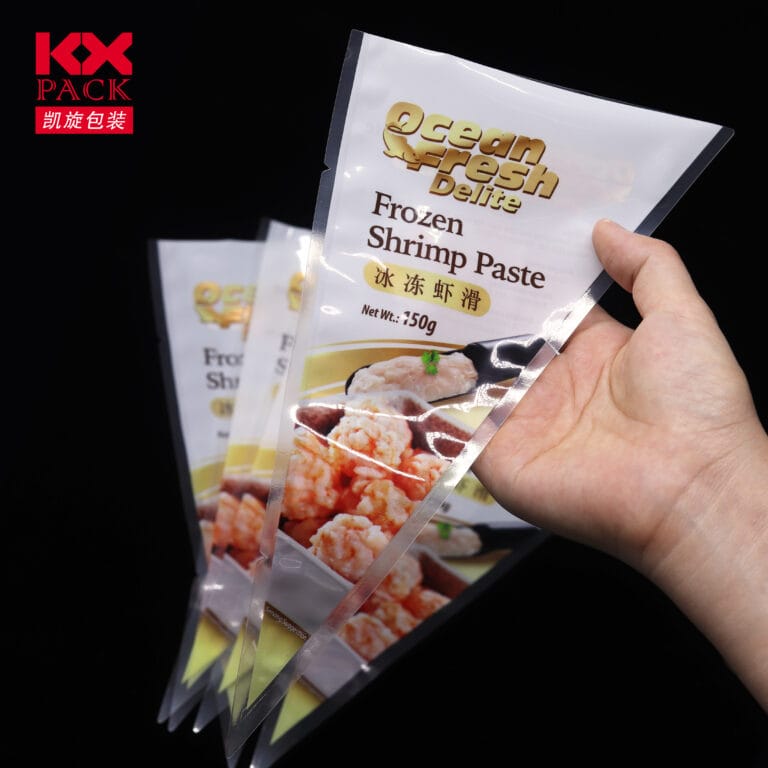
- Pārtika & Dzēriens: Shrink bundling films secure multi-packs of bottles or cans, while high-barrier laminates extend shelf life for snacks and cheeses.
- Personīgā aprūpe: Tubes and pouches for lotions or shampoos use printed films with a soft-touch finish for a luxurious feel.
- Logistics: Heavy-duty bundling films stabilize pallets of firewood or industrial parts, replacing traditional strapping methods.
- E-komercija: Anti-counterfeit films with holographic prints protect high-value goods during shipping, while resealable zippers enhance convenience.
5. The Future: Circularity and Connectivity
Skatoties uz priekšu, printed packaging films will increasingly align with circular economy principles:
- Recyclability by Design: Brands are adopting monomaterial structures (Piem., all-PE pouches) to simplify recycling streams. Innovations like laser-scored tear lines also improve ease of recycling.(Drukāta iepakojuma filma)
- Blockchain Integration: Printed films could soon feature blockchain-enabled codes that trace a product’s journey from factory to shelf, combating fraud and enhancing transparency.
- Energy-Efficient Production: Solar-powered printing plants and AI-driven quality control systems are reducing the carbon footprint of film manufacturing.
Secinājums: A Canvas for Innovation
Drukāta iepakojuma filma is no longer a static component—it’s a dynamic interface between brands and consumers. As digital printing, smart technologies, and sustainable materials converge, the possibilities for creative, functional, and eco-friendly packaging are expanding exponentially. For businesses looking to stay ahead, investing in printed films isn’t just about aesthetics; it’s a strategic move to enhance shelf appeal, operational efficiency, un vides pārvaldība.
Ready to explore how Drukāta iepakojuma filma can elevate your brand? Dive into the latest trends in material science, printing tech, and circular design to unlock new opportunities in 2025 un ārpus. 🌍✨