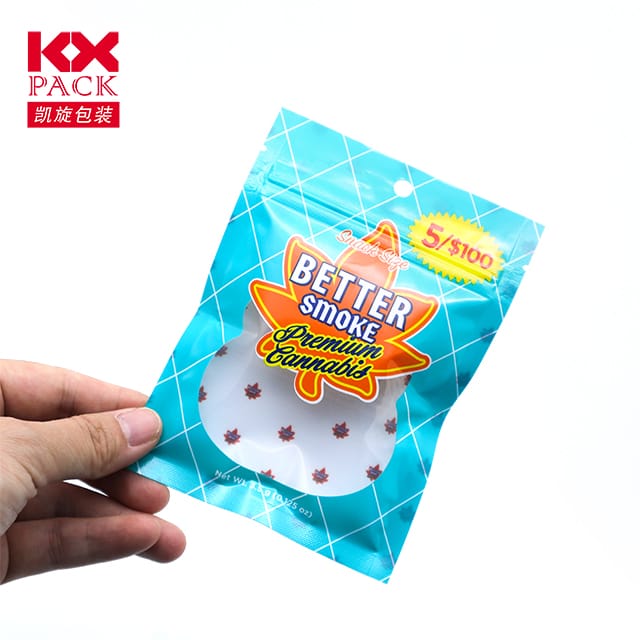
Plastmasas iepakojuma plēves evolūcija un ietekme mūsdienu rūpniecībā
Plastmasas iepakojuma plēve
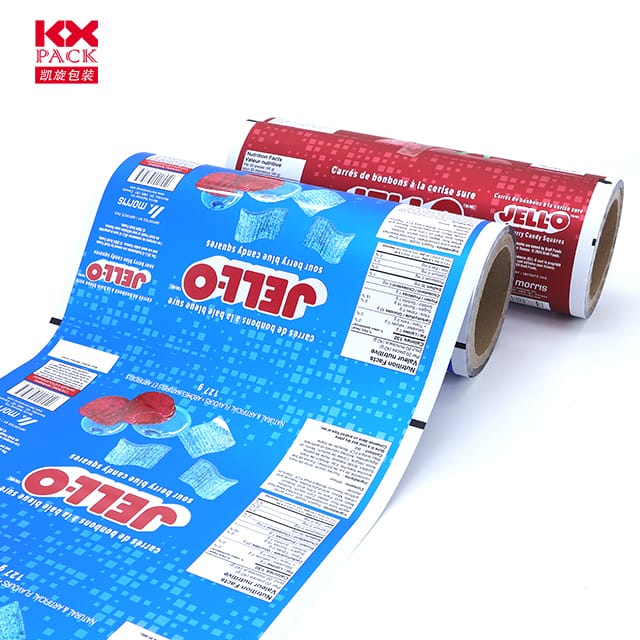
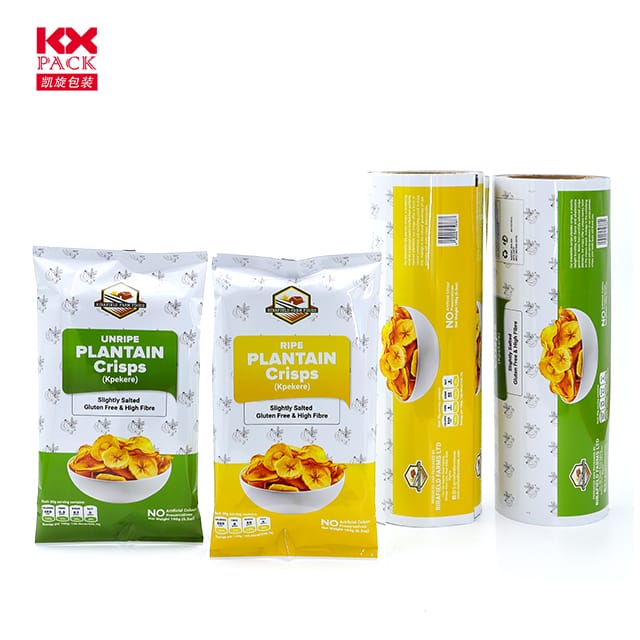
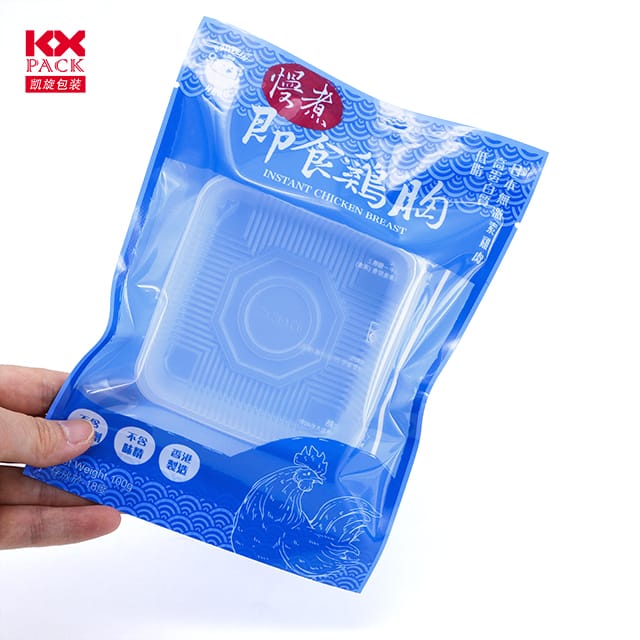
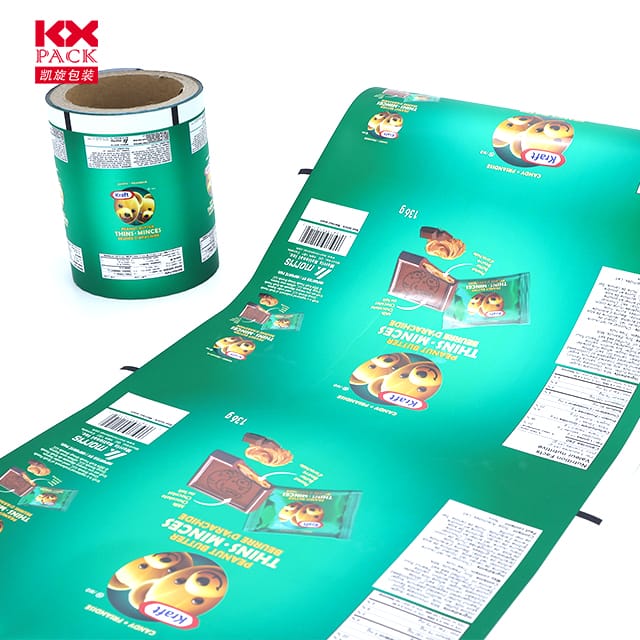
Plastic packing film, a ubiquitous yet often overlooked component of modern life, plays a pivotal role in preserving, protecting, and presenting products across industries. From food and pharmaceuticals to electronics and consumer goods, this versatile material has revolutionized packaging solutions. Let’s explore the evolution, priekšrocības, izaicinājumi, and future trends of plastic packing film.
1. What is Plastic Packing Film?
Plastic packing film refers to thin, flexible sheets made from polymers such as polyethylene (PE), polipropilēns (PP), polivinilhlorīds (PVC), and polyester (PET). These films are engineered to meet specific requirements, including durability, caurspīdīgums, mitruma izturība, un barjeras īpašības. They can be customized in thickness, tekstūra, and functionality to suit diverse applications.
2. The Evolution of Plastic Packing Film
The journey of plastic packing film began in the mid-20th century with the advent of synthetic polymers. Early versions were basic and limited in functionality, but advancements in materials science and manufacturing processes have transformed them into high-performance solutions.
- Early Innovations: The introduction of low-density polyethylene (LDPE) in the 1930s marked a milestone, offering flexibility and moisture resistance.
- Tehnoloģiskie sasniegumi: Co-extrusion, laminēšana, and the development of multi-layer films enhanced barrier properties, extending shelf life for perishable goods.
- Sustainability Drives: Recent decades have seen a shift toward eco-friendly alternatives, such as biodegradable and compostable films, to address environmental concerns.
3. Key Benefits of Plastic Packing Film
Plastic packing film offers numerous advantages that make it indispensable in packaging:
- Aizsardzība: Shields products from moisture, skābeklis, UV stari, un piesārņotājiem, ensuring quality and safety.
- Saglabāšana: Extends the shelf life of food and pharmaceuticals, Atkritumu samazināšana.
- Izmaksu efektivitāte: Lightweight and durable, it lowers transportation and storage costs.
- Daudzpusība: Adaptable to various shapes and sizes, enabling innovative packaging designs.
- Transparency and Printability: Clear films allow product visibility, while printed films enhance branding and consumer engagement.
4. Vides problēmas un ilgtspējīgi risinājumi
Neskatoties uz tā priekšrocībām, plastic packing film faces criticism for its environmental impact. Single-use plastics contribute to pollution, particularly in oceans and landfills. Tomēr, the industry is actively addressing these concerns:
- Bioloģiski noārdāmās un kompostējamās filmas: Made from renewable resources like corn starch, these films break down naturally.
- Recyclable Materials: Innovations in recycling technologies are improving the recyclability of plastic films.
- Reduced Material Usage: Plānāks, high-performance films reduce plastic consumption without compromising functionality.
- Circular Economy Initiatives: Brands and manufacturers are adopting practices that prioritize reuse, recycling, un atkritumu samazināšana.
5. Innovations Shaping the Future
The future of plastic packing film is bright, driven by sustainability and technological advancements:
- Gudrs iepakojums: Films embedded with sensors or QR codes can provide real-time data on product freshness or authenticity.
- Nanotehnoloģija: Nano-coatings enhance barrier properties, allowing even thinner films to offer superior protection.
- Ēdamas plēves: Made from natural ingredients like seaweed, these films are a novel solution for food packaging.
- Plant-Based Polymers: Films derived from agricultural waste or algae offer a renewable alternative to traditional plastics.
6. The Role of Consumers and Regulations
Consumer demand for sustainable packaging and stricter environmental regulations are pushing the industry toward greener solutions. Brands that prioritize eco-friendly packaging are gaining a competitive edge, while governments are implementing policies to reduce plastic waste.
Secinājums
Plastic packing film is a cornerstone of modern packaging, offering unmatched versatility and functionality. While its environmental impact cannot be ignored, ongoing innovations and a commitment to sustainability are paving the way for a greener future. Kā patērētāji, uzņēmumiem, and policymakers collaborate, the plastic packing film industry is poised to evolve into a more responsible and circular sector.
What are your thoughts on the future of plastic packing film? Do you prefer sustainable alternatives, or do you see a role for traditional plastics with improved recycling? Dalieties zemāk esošajās atziņās! 🌍📦
Atslēgas vārdi: Plastmasas iepakojuma plēve, ilgtspējīgs iepakojums, biodegradable films, innovation in packaging, ietekme uz vidi.