Plastmasas plēves evolūcija un ietekme: No inovācijas līdz ilgtspējībai (3) Izaicinājumi
Plastmasa
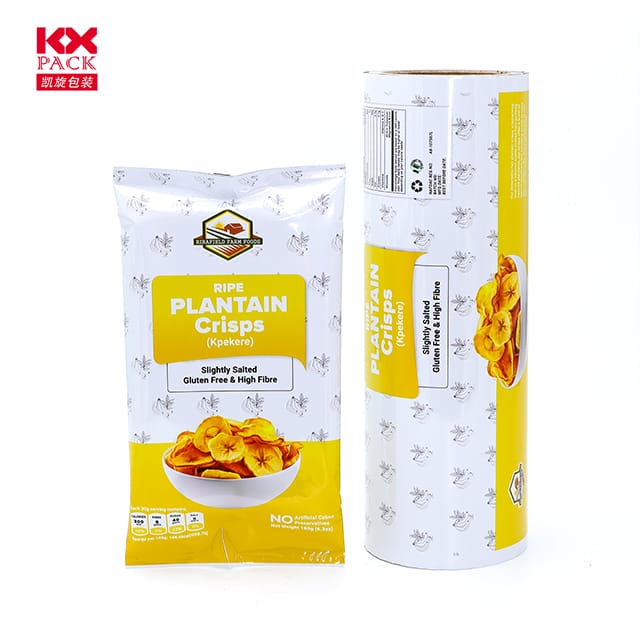
Plastic film, daudzpusīgs, bet bieži vien nenovērtēts materiāls, neskaitāmos veidos caurstrāvo mūsdienu dzīvi. No pārtikas iepakošanas un ražas aizsardzības līdz medicīnisko ierīču uzlabošanai un ēku izolācijai, tā vieglā izturība un rentabilitāte ir padarījusi to par neaizstājamu. Tomēr, kā vides bažas, plastmasas plēvju nozare saskaras ar kritisku pagrieziena punktu: balancing innovation with sustainability.
A Multifaceted Marvel: Lietojumprogrammas dažādās nozarēs
Plastic film’s adaptability stems from its composition—typically polyethylene (PE), polipropilēns (PP), or polyvinyl chloride (PVC)—which can be tailored for specific uses:
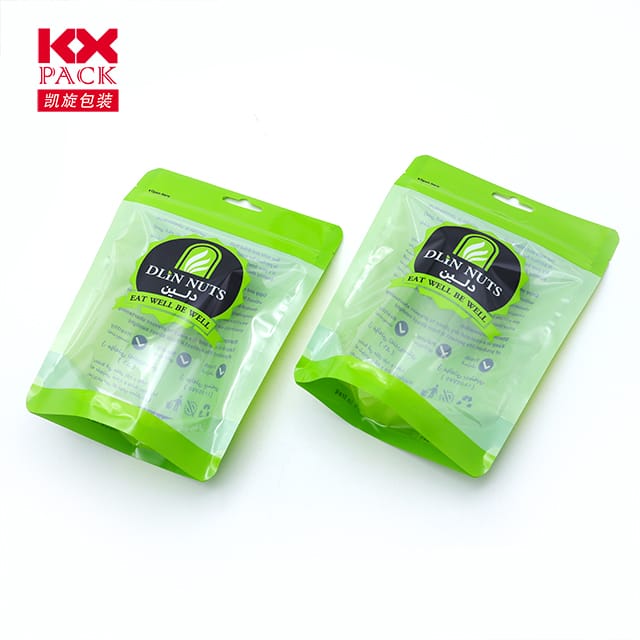
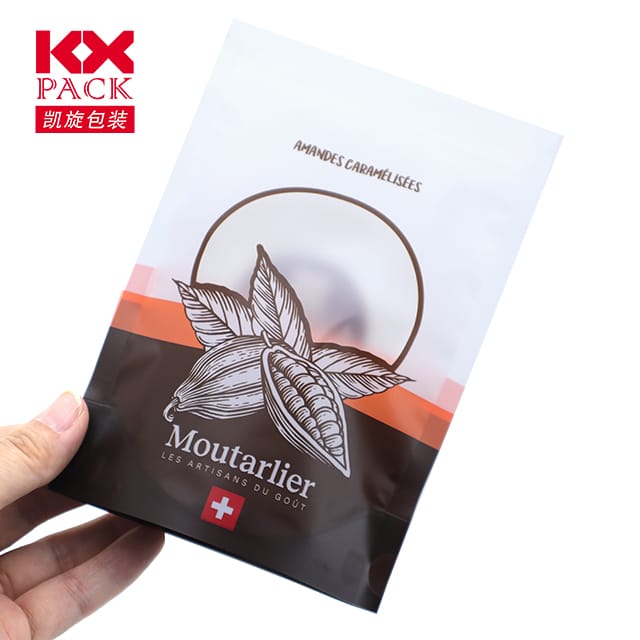
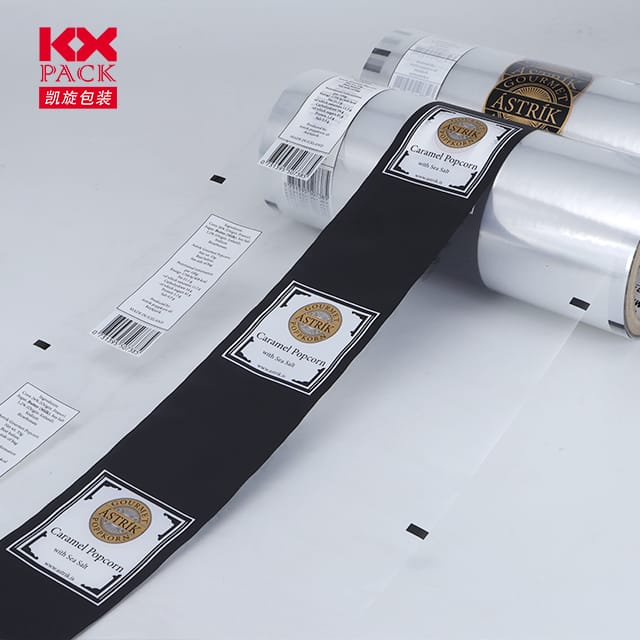
- Pārtikas iepakojums: Stretch films, cling wraps, and vacuum-sealed pouches extend shelf life and reduce waste.
- Lauksaimniecība: Mulch films conserve water, suppress weeds, and boost crop yields by up to 30% in arid regions.
- Veselības aprūpe: Sterile wraps for surgical instruments and blister packs for pharmaceuticals ensure safety and hygiene.
- Būvniecība: Vapor barriers and shrink films protect buildings from moisture during construction.
The global plastic film market, novērtēts plkst.$160 miljardu iekšā 2023, is projected to grow at 4.5% annually, driven by emerging economies and e-commerce packaging demands.
The Environmental Conundrum: Divkāršs zobens
Despite its utility, plastic film’s environmental footprint is undeniable:
- Waste Accumulation: Single-use plastic films, such as shopping bags and food wraps, account for20% of marine plastic pollution, entangling wildlife and microplastics infiltrating ecosystems.
- Pārstrādes šķēršļi: Thin, multi-layered films are difficult to sort and process, with recycling rates hovering around5–15% in developed nations.
- Microplastic Threat: Fragmented films release tiny particles into soil and water, posing risks to human health through the food chain.
Regulatory pressures, such as the EU’sVienreizējas lietošanas plastmasas direktīva and China’s ban on non-degradable bags, are forcing industries to rethink plastic film’s role.
Pioneering Solutions for a Circular Future
Lai risinātu šos izaicinājumus, manufacturers and innovators are exploring sustainable alternatives:
- Bioloģiski noārdāmās un kompostējamās filmas:
- Materials like PLA (polilaktīnskābe), iegūts no kukurūzas cietes, and PBAT (polybutylene adipate terephthalate) offer eco-friendly options. Zīmoliem patīkNatureWorks unBASF are scaling production.
- Gadījuma izpēte: A UK supermarket chain replaced conventional bags with compostable PLA films, reducing plastic waste by 40%.
- Uzlabotas pārstrādes tehnoloģijas:
- Chemical recycling breaks down mixed plastics into raw materials, enabling closed-loop systems.
- Mechanical recycling upgrades post-consumer films into pallet wraps or construction materials.
- Reusable and Thinner Alternatives:
- High-barrier, recyclable mono-material films (Piem., PE-only packaging) simplify recycling.
- Jauninājumi, piemēram,edible seaweed-based coatings for fresh produce could eliminate single-use wraps entirely.
Industry Collaboration and Policy Drivers
Governments and corporations are aligning to accelerate change:
- Extended Producer Responsibility (EPR) schemes in the EU and U.S. mandate brands to fund recycling infrastructure.
- Corporate Commitments: Unilever, Nestlé, and Walmart aim to use 100% recyclable or reusable packaging by 2025, driving demand for sustainable films.
- Agricultural Innovations: Biodegradable mulch films, tested in India and the U.S., decompose within 180 dienas, reducing soil contamination.
Ceļš priekšā: Balancing Progress and Planet
The future of plastic film hinges on three pillars:
- Materiālie jauninājumi: Scaling bio-based and recyclable alternatives without compromising performance.
- Circular Design: Prioritizing reusability, pārstrādājamība, and compostability in product development.
- Patērētāju iesaistīšanās: Educating the public on proper disposal and advocating for reuse systems.
As technologies mature and policies tighten, plastic film could transition from a symbol of environmental harm to a beacon of sustainable innovation. The challenge lies not in abandoning this versatile material, but in reimagining its lifecycle—from linear waste to circular resource.
Sources: Smithers Pira, Ellen MacArthur Foundation, Industry Reports 2024
Secinājums: Plastic film, once a hallmark of convenience, now stands at a crossroads. Aptverot jauninājumus, sadarbība, un vides pārvaldība, the industry can safeguard both human needs and the planet’s future. The journey has begun—will we rise to the challenge?