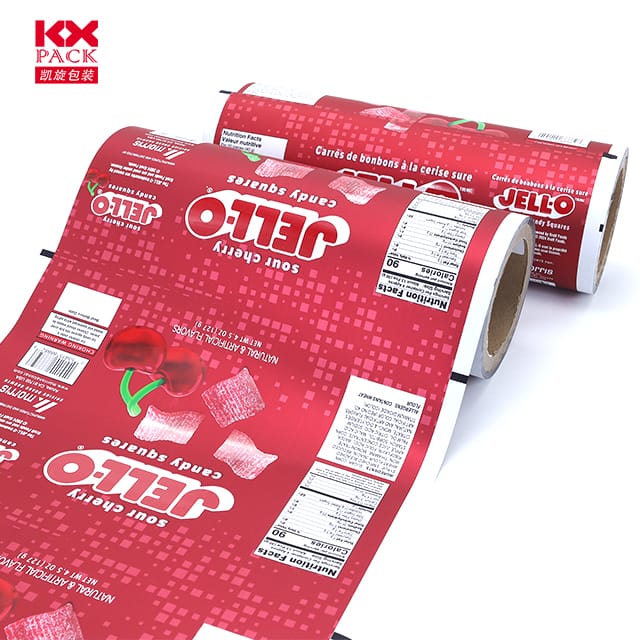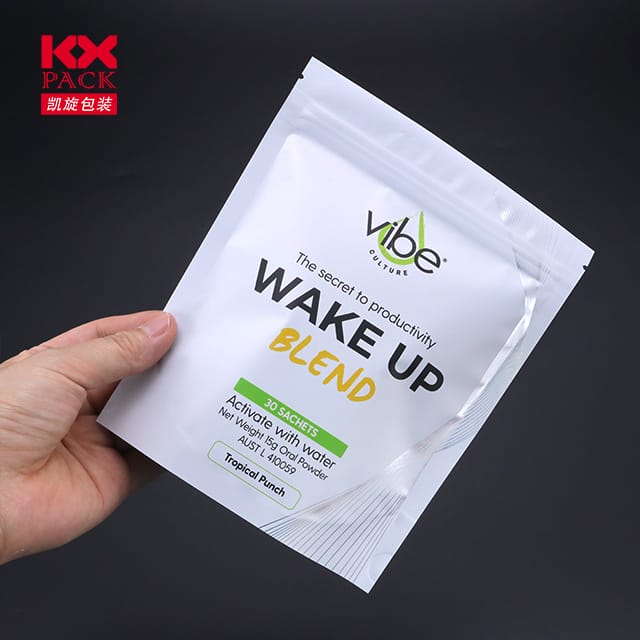
Nedziedāts mūsdienu dzīves varonis: Plastmasas plēve iesaiņošanai
Plastmasa
Šodienas straujajā pasaulē, kur valda ērtības un efektivitāte, viens pazemīgs materiāls bieži paliek nepamanīts, tomēr tam ir galvenā loma mūsu ikdienas dzīvē: plastmasas plēve iesaiņošanai. No ātrbojīgas pārtikas aizsardzības līdz rūpniecisko preču nodrošināšanai tranzīta laikā, šis daudzpusīgais produkts ir neapdziedāts iepakojuma risinājumu varonis. Let’s dive into why plastic wrapping film is indispensable and explore its environmental impact—and the innovations shaping its future.
Why Plastic Wrapping Film Matters
- Saglabāšana & Aizsardzība
Plastic film acts as a barrier against moisture, putekļi, skābeklis, un piesārņotājiem, extending the shelf life of everything from fresh produce to pharmaceuticals. Without it, food waste would skyrocket, and delicate electronics might not survive shipping. - Rentabilitāte
Lightweight and durable, plastic film reduces packaging costs and transportation emissions by minimizing bulk. Its affordability makes it a go-to choice for businesses large and small. - Higiēna & Drošība
In healthcare and food industries, plastic film ensures sterile environments and prevents cross-contamination. Think of sealed medical equipment or pre-packaged meats—plastic film keeps them safe until use. - Customizability
Manufacturers can tailor plastic film’s thickness, skaidrība, and strength to specific needs, whether it’s shrink-wrapping a pallet or cling-filming leftovers.
The Environmental Conundrum
While plastic film offers undeniable benefits, its single-use nature has sparked global concern. Billions of tons end up in landfills or oceans annually, contributing to pollution and harming wildlife. The challenge lies in balancing functionality with sustainability.
Innovations Driving Change
The packaging industry is rising to the occasion with eco-friendly alternatives:
- Bioloģiski noārdāms & Kompostējamās filmas
Made from plant-based materials like cornstarch or algae, these films break down naturally, reducing long-term waste. - Recycled Content Films
Brands are incorporating post-consumer recycled plastics into wrapping, closing the loop on waste. - Reusable & Recyclable Options
Innovations like silicone food wraps or easily recyclable LDPE (low-density polyethylene) films encourage consumers to reuse or recycle instead of toss. - Ēdamas plēves
A futuristic twist! Edible coatings made from seaweed or starch protect food and can be consumed, eliminating waste entirely.
What Consumers & Businesses Can Do
- Samazināt & Atkārtoti izmantot: Opt for reusable containers or beeswax wraps for home storage.
- Pārstrādāt pa labi: Check local guidelines—many plastic films (like grocery bags) are recyclable at drop-off centers, not curbside bins.
- Pārmaiņu aizstāvis: Support brands using sustainable packaging and push for policy reforms.
Ceļš priekšā
Plastic film for wrapping isn’t going away anytime soon—and it shouldn’t have to. Its role in preserving resources and reducing waste (through proper use) is too valuable. The key is innovation: creating films that perform flawlessly while leaving a lighter footprint.
Kā patērētāji, we hold power. By demanding sustainable options and adopting mindful habits, we can transform plastic film from an environmental villain into a tool for a greener future.
Next time you unwrap a sandwich or receive a package, atcerēties: that thin layer of plastic is a marvel of modern engineering. Let’s ensure its legacy is one of progress, not pollution.
What’s your take on plastic wrapping film? Dalieties savās domās vai videi draudzīgos komentāros zemāk! 🌍♻️