Plastmasas plēves ruļļa daudzpusība un nozīme: Skatieties tuvāk (1)
Plastmasa
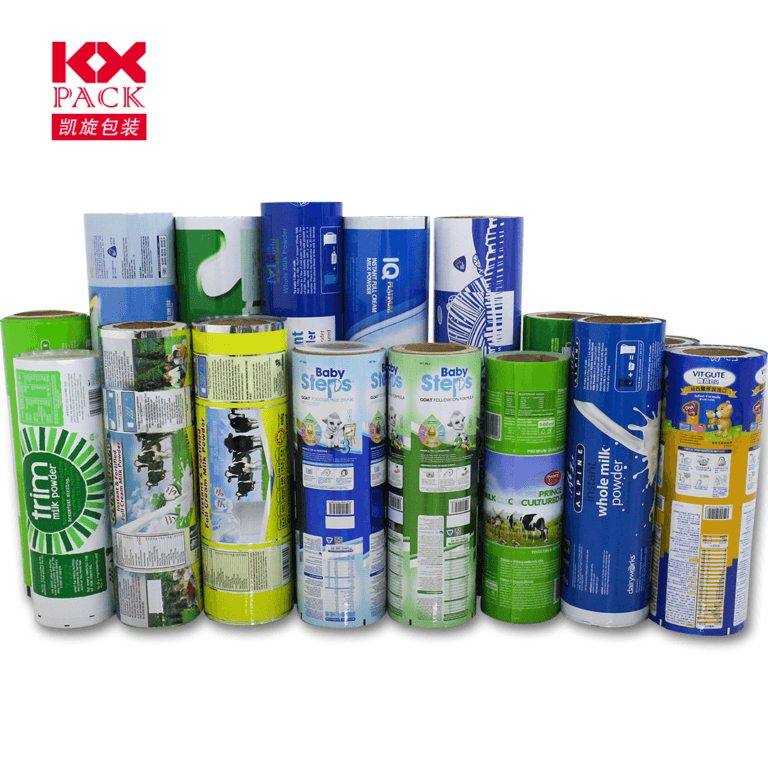
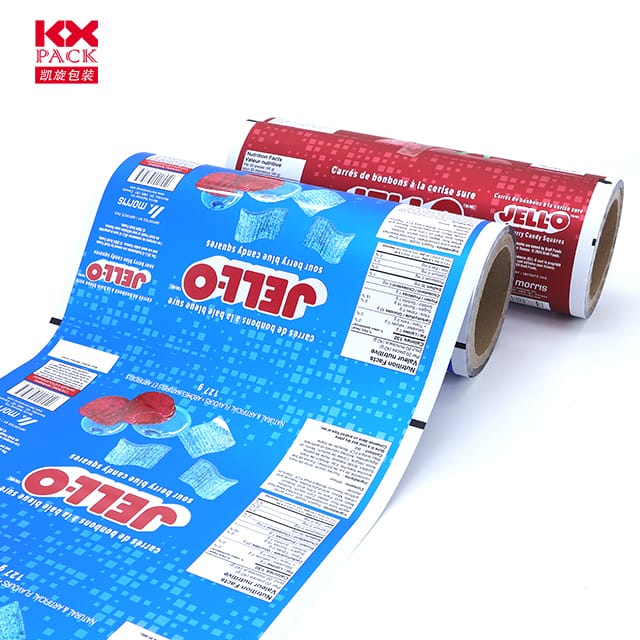
In a world where sustainability, aizsardzība, un efektivitāte ir vissvarīgākā, pazemīgajam plastmasas plēves rullim ir nozīmīgāka loma, nekā sākotnēji varētu domāt. No iepakošanas un pārtikas konservēšanas līdz celtniecībai un lauksaimniecībai, plastmasas plēves ruļļi ir kļuvuši neaizstājami dažādās nozarēs. Šodien, iedziļināsimies daudzpusībā, pieteikumi, and the ongoing dialogue surrounding the use of plastic film rolls.
Daudzpusīgā plastmasas plēvju ruļļu pasaule
Plastic film rolls come in various materials, biezumiem, and widths, each tailored to meet specific needs. Polietilēns (PE), polipropilēns (PP), polivinilhlorīds (PVC), un polietilēntereftalāts (PET) are among the most common types. These materials offer different properties such as flexibility, izturība, skaidrība, and gas permeability, making them suitable for diverse applications.
Galvenās lietojumprogrammas
- Packaging and Preservation
- Pārtikas iepakojums: Plastic films extend the shelf life of perishable goods by creating a barrier against oxygen, mitrums, un piesārņotājiem. From fresh produce wraps to modified atmosphere packaging for meat and dairy products, platic films play a crucial role in food safety and waste reduction.
- Rūpniecības iepakojums: In the industrial sector, plastic films are used for packaging electronic components, mašīnu daļas, and other sensitive items, providing protection against dust, mitrums, un fiziski bojājumi.
- Lauksaimniecība
- Mulching Fils: Agricultural plastic fims are used as mulches to control weeds, retain soil moisture, and regulate temperature, thereby enhancing crop yield and quality.
- Tunnel and Greenhouse Coverings: Clear or translucent plastic films allow sunlight to penetrate, creating a controlled environment conducive to plant growth.
- Būvniecība
- Vapor Barriers: In construction, plastic fims serve as vapor barriers, preventing moisture from penetrating walls, floors, and roofs, thus protecting the structural integrity of buildings.
- Underlayment: Used beneath flooring and tiling, plastic films provide a smooth, moisture-resistant surface, ensuring a durable and long-lasting installation.
- Household and DIY
- Storage Solutions: From protecting furniture during moves to storing seasonal items, plastic fims offer a cost-effective and space-saving solution.
- DIY Projects: Creative DIY enthusiasts often use plastic films for various projects, from creating makeshift greenhouses to protecting work surfaces during craft activities.
The Sustainability Challenge
While plastic fim rolls offer numerous benefits, their environmental impact cannot be overlooked. Single-use plastics, jo īpaši, contribute significantly to landfill waste and marine pollution. In response, many industries are exploring alternatives such as biodegradable and compostable plastics, as well as improving recycling infrastructure and practices.
Innovations in plastic fim technology are also focused on reducing thickness while maintaining strength and functionality, thereby lowering material usage and waste. Turklāt, initiatives like extended producer responsibility (EPR) are encouraging manufacturers to take a more proactive role in the lifecycle management of their products, including post-consumer recycling.
Secinājums
The roll of plastic fim is a testament to human ingenuity, adapting to meet the diverse needs of various sectors. Tā daudzpusība, combined with ongoing advancements in material science and sustainability practices, ensures that plastic films will continue to play a pivotal role in our daily lives. As consumers and industry stakeholders, it’s essential to be mindful of the environmental footprint of our choices and support initiatives aimed at reducing plastic waste and promoting circular economy principles.
By embracing innovation and fostering a culture of responsibility, we can harness the benefits of plastic fim rolls while minimizing their ecological footprint. The future of plastic film, like many aspects of our world, lies in finding the balance between progress and preservation.