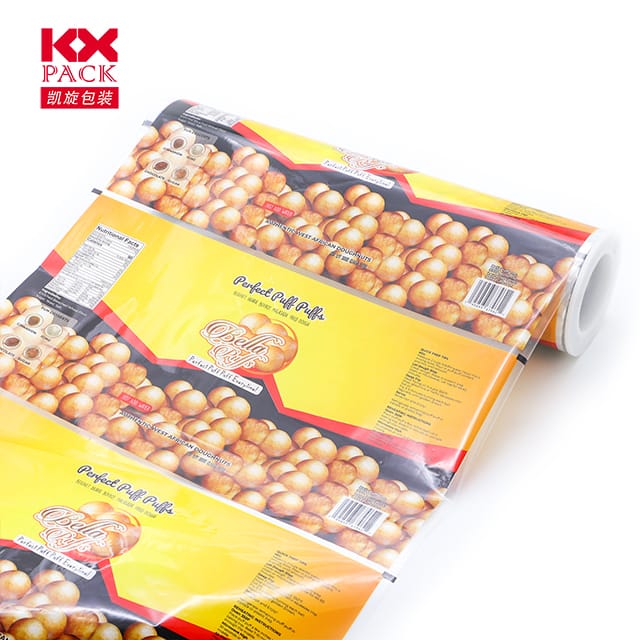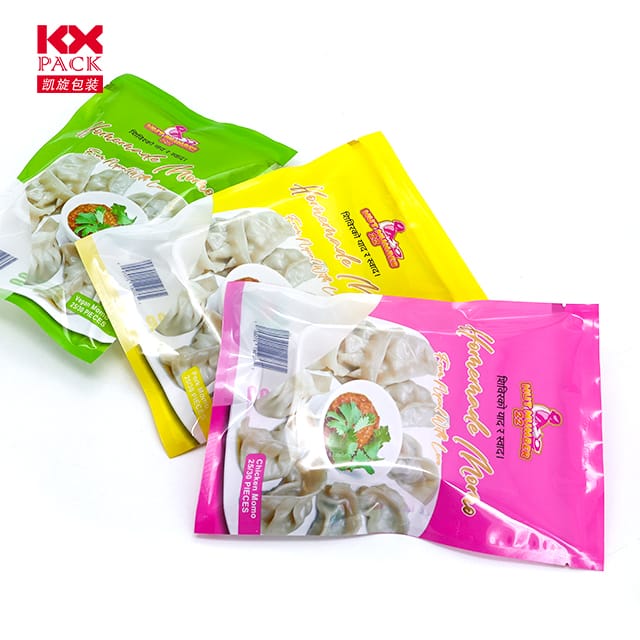
Divkāršais plastmasas plēves zobens pārtikas iepakojumā: Ērtības vs. Ilgtspējība
Plastmasa
In modern kitchens and supermarkets, plastic film for food—commonly known as cling wrap, Ieteikums, vai pārtikas iesaiņojums - vai ir kļuvis par skavu. Tā caurspīdīgais, elastīgs, un hermētiskās īpašības padara to ideālu svaiguma saglabāšanai, Noplūdes novēršana, un iesaiņošana pārpalikumi. Tomēr, kā vides bažas, Šis visuresošais virtuves rīks ir vērsts. Izpētīsim priekšrocības, trūkumi, and eco-friendly alternatives to plastic film in food storage.
1. Why Plastic Film Dominates Food Packaging
- Saglabāšanas spēks: Plastic film creates an airtight seal, slowing oxidation and bacterial growth. This extends the shelf life of produce, gaļa, and cooked meals by days or even weeks.
- Daudzpusība: From wrapping sandwiches to covering bowls, its flexibility allows it to conform to any shape.
- Rentabilitāte: A single roll costs just a few dollars and can last months, making it a budget-friendly choice for households and restaurants.
- Higiēna: Transparent and disposable, it reduces cross-contamination risks compared to reusable containers that may not be cleaned thoroughly.
2. Plastmasas plēves vides nodeva
Despite its convenience, plastic film poses significant environmental challenges:
- Bioloģiski nenoārdāms: Lielākā daļa plastmasas plēvju ir izgatavotas no polietilēna (PE), a petroleum-based material that takes 500+ gadiem sadalīties.
- Mikroplastmasas piesārņojums: When discarded improperly, it fragments into microplastics that infiltrate soil, ūdensceļi, and even human food chains.
- Recycling Barriers: Many curbside recycling programs don’t accept plastic film due to contamination risks. Tikai 4% no ASV. plastic wrap is recycled annually (EPA, 2021).
- Single-Use Culture: The average household uses 1,500 plastic bags/wraps yearly, most of which end up in landfills or oceans.
3. Videi draudzīgas alternatīvas plastmasas plēvei
The good news? Sustainable swaps are readily available:
A. Bišu vaska iesaiņojums
- Materiāls: Cotton fabric coated in beeswax, jojoba oil, and tree resin.
- Pabalsti: Reusable for up to a year, kompostējams, and naturally antibacterial.
- Best For: Wrapping cheese, sandwiches, or covering bowls.
- Drawback: Not vegan-friendly and melts near heat.
B. Silikona pārtikas pārklāji
- Materiāls: Food-grade silicone (a synthetic rubber).
- Pabalsti: Dishwasher-safe, reusable for years, and heat-resistant (great for sous-vide cooking).
- Best For: Stretching over bowls, pans, or half-cut produce.
- Drawback: More expensive upfront (10–20 per set).
C. Atkārtoti lietojami auduma pārvalki
- Materiāls: Cotton or linen with a waterproof lining (Piem., PUL fabric).
- Pabalsti: Machine-washable, customizable in size, and breathable for produce.
- Best For: Storing bread, herbs, or covering dough during rising.
D. Glass or Stainless Steel Containers
- Pabalsti: Airtight, necaurlaidīgs, and infinitely recyclable.
- Best For: Meal prepping, leftovers, and freezer storage.
4. How to Reduce Plastic Film Waste Today
Even if you’re not ready to ditch plastic film entirely, small changes can make a difference:
- Atkārtoti izmantot: Wash and dry plastic wrap gently to reuse it 2–3 times.
- Pārstrādāt pa labi: Check local programs for drop-off locations that accept plastic film (Piem., grocery store bins).
- Pirkt vairumā: Avoid pre-wrapped produce; bring reusable mesh bags to the store.
- DIY Alternatives: Use a damp paper towel to keep greens fresh or store leftovers in jars.
5. The Future of Food Packaging
Innovations are emerging to bridge convenience and sustainability:
- Ēdamas plēves: Made from starch or seaweed, these wraps can be eaten or composted.
- Plant-Based Plastics: Biodegradable films derived from corn or sugarcane are entering the market.
- Gudrs iepakojums: Sensors embedded in films could soon detect food spoilage, Atkritumu samazināšana.
Galīgās domas: Balance Is Key
Plastic film’s role in food safety and preservation is undeniable, but its environmental impact demands action. By opting for reusable alternatives when possible and disposing of plastic responsibly, we can protect both our meals and the planet.
What’s your go-to plastic film alternative? Share your tips in the comments below—let’s inspire each other to make sustainable swaps! 🌍🥪
Sources: EPA, National Geographic, and sustainability blogs like Treehugger.