Galīgais ceļvedis pārtikas paciņām un iepakošanas rullīšiem: Svaiguma un atbilstības nodrošināšana
Ja runa ir par pārtikas produktu masveida ražošanu, pareizā elastīgā iepakojuma izvēle nav tikai dizaina izvēle — tas ir būtisks biznesa lēmums. Ja esat pārtikas zīmola īpašnieks, iepirkumu speciālists, vai uzkodu ražotājs, jūsu iepakojumam ir jāveic trīs lietas nevainojami: saglabāt produkta glabāšanas laiku, ievērot stingrus pārtikas drošības noteikumus, and run smoothly on high-speed automated machinery.
Two of the most efficient formats dominating the modern food supply chain are food grade sachets un pārtikas iepakojuma ruļļi (also known as rollstock).
But how do you choose between a pre-made sachet and automated rollstock? What technical specifications actually prevent moisture and oxygen ingress? In this comprehensive guide, we will break down the mechanics, material structures, and regulatory standards behind these essential packaging formats to help you optimize your production line.
Understanding the Core Components
Before diving into operational efficiencies, let’s define exactly what we are working with and how they fit into industrial food production.
What is a Food Grade Sachet?
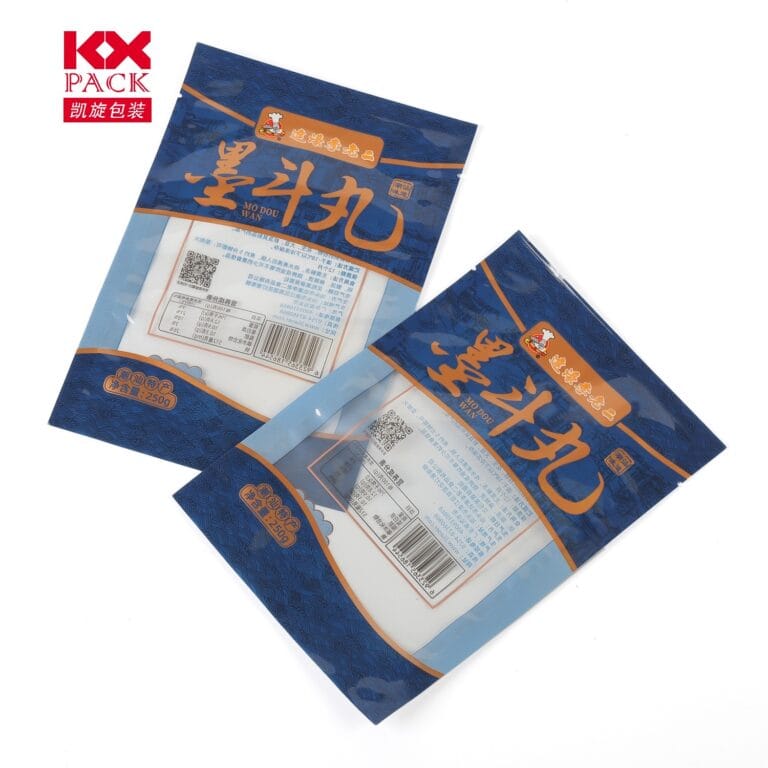
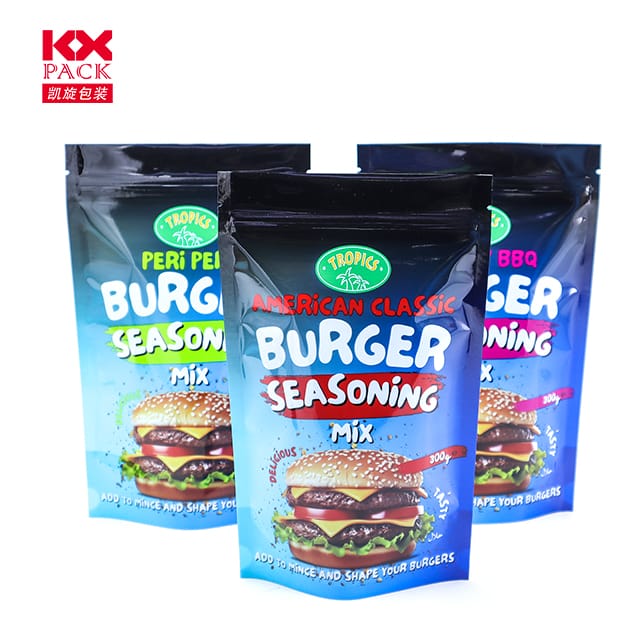
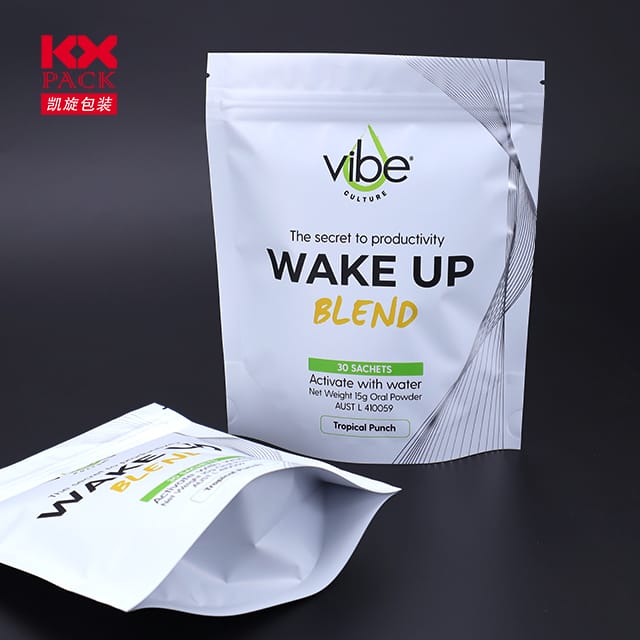
A food grade sachets is a small, sealed pouch typically used for single-serve portions, sample packs, or condiments. Think of coffee sticks, sugar packets, spice blends, and nutritional powders. Termins “food grade” means the inner layer in direct contact with the product is certified completely non-toxic and chemically inert, ensuring no harmful substances migrate into the food.
What is a Food Packaging Roll?
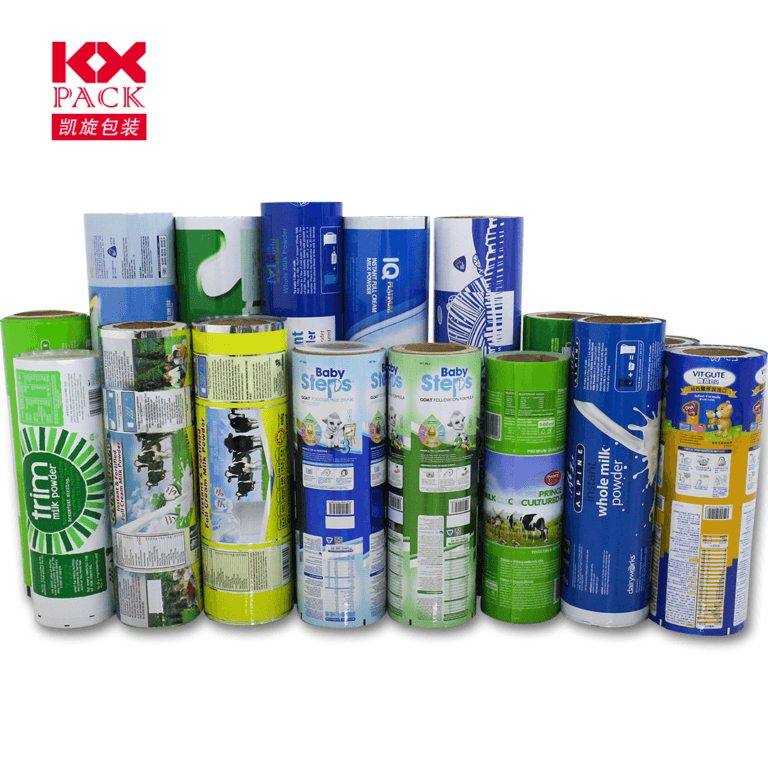
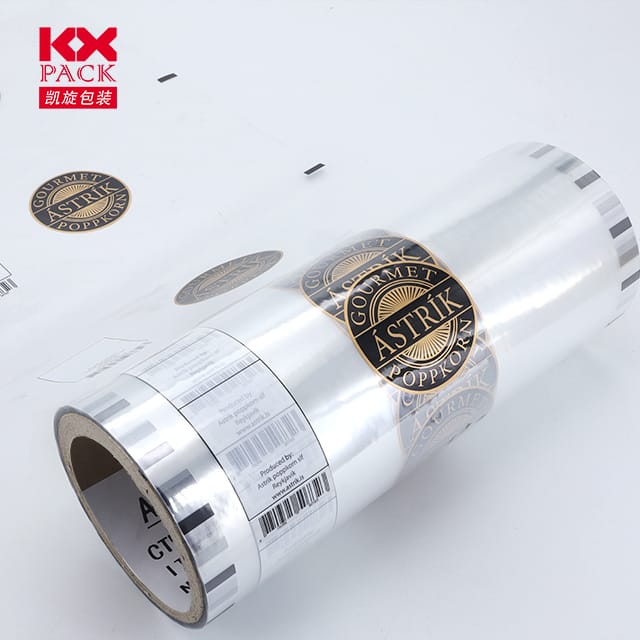
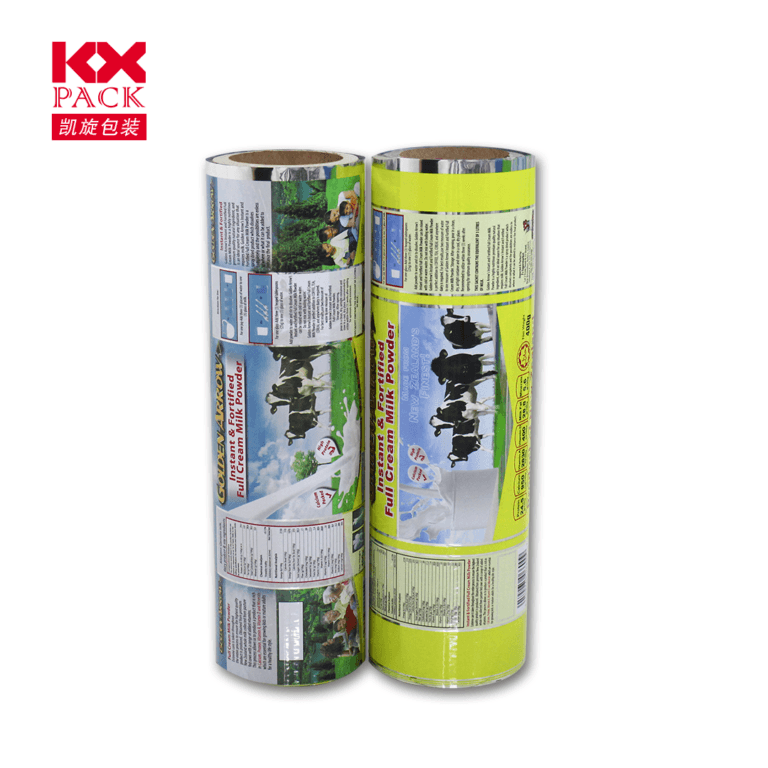
A pārtikas iepakojuma ruļļi (or rollstock film) is the continuous, unformed printed material wound around a core. It is engineered specifically for Form-Fill-Seal (FFS) mašīnas. The automated machinery pulls the film off the roll, shapes it into a pouch or sachet, drops the food product inside, and heat-seals it—all in one seamless, high-speed operation.
Material Engineering: The Multi-Layer Barrier
Single-layer plastics rarely cut it in commercial food packaging. To protect food from ambient humidity, ultraviolet light, un skābeklis, manufacturers use co-extruded or laminated structures. Each layer serves a highly specific function:
- Ārējais slānis (PET / BOPP): This is the printing substrate. It offers excellent tensile strength, high heat resistance (so it doesn’t melt during sealing), and a glossy or matte finish for branding.
- Barjeras slānis (AL / VMPET / EVOH): This is the shield. Aluminum foil (AL) offers a near-perfect barrier against light and gas but can be costly. Vacuum-metallized PET (VMPET) offers a cost-effective alternative with great reflective properties, kamēr EVOH is excellent for transparent packaging needing high oxygen resistance.
- Inner Food Contact Layer (PE / CPP): The sealing layer. Lineārs zema blīvuma polietilēns (Lldde) un Lieta polipropilēns (CPP) have lower melting points, allowing them to fuse securely under heat and pressure to create an airtight seal without compromising the outer layers.

Key Differences: Pre-Made Sachets vs. Automated Rollstock
If you are scaling up production, deciding whether to buy finished sachets or investment-heavy rollstock machinery is a pivotal milestone.
| Funkcija | Food Grade Sachets (Pre-made) | Food Packaging Rolls(Rollstock) |
| Initial Investment | Zems. No complex FFS machinery required. | Augsts. Requires automated packaging lines. |
| Production Speed | Slower (manual or semi-automated filling). | Ultra-fast (hundreds of units per minute). |
| Material Waste | Minimal startup waste. | Moderate setup waste during calibration. |
| Vienības izmaksas | Higher per-unit price. | Significantly lower per-unit cost at scale. |
| Vislabāk lietots | Market testing, short runs, diverse SKU lines. | High-volume staples, continuous production. |
Strict Compliance: Kas “Pārtikas kategorija” Really Means
You cannot afford shortcuts when it comes to international food health standards. When sourcing a reliable manufacturing partner for your packaging, you must verify that their facility and raw materials hold valid certifications.
At a minimum, the materials must meet FDA (Pārtikas un zāļu pārvalde) regulations for contact with food. For brands exporting to Europe, compliance with EU Framework Regulation (EK) Nē 1935/2004 is mandatory. Turklāt, look for suppliers operating under BRCGS (British Retail Consortium Global Standard) vai Iso 22000 food safety management systems.
Always ask your supplier for a formal Declaration of Compliance (DoC) and heavy metal migration test reports before signing off on mass production.
Common Pitfalls in Sachet and Rollstock Sourcing
Over decades of dealing with factory floor issues, we see the same mistakes repeat themselves. Avoid these three common oversights:
1. Wrong Coefficient of Friction (COF)
If your food packaging roll has a COF that is too high or too low, it won’t feed correctly through automated packing machines. Slippage causes misaligned cutting, while excessive friction drags the machine down, causing jams and tears.
2. Inadequate Heat-Seal Strength
Powdery or oily food items (like collagen powders or salad dressings) can contaminate the sealing area during high-speed filling. If your inner PE or CPP layer isn’t engineered to seal cauri piesārņojums, you will end up with microscopic leaks that ruin shelf-life.
3. Ignoring the Storage Environment
Flexible packaging materials are sensitive to extreme temperatures and humidity before they are even used. Storing rolls in a damp, unconditioned warehouse can cause the layers to delaminate or ruin the surface tension required for clean printing.
Secinājums: Making the Right Strategic Move
Choosing between pre-made food grade sachets and automated pārtikas iepakojuma ruļļi boils down to your current production volume and long-term scaling strategy. For emerging brands or limited-edition product lines, pre-made sachets reduce your upfront machinery risk. For established manufacturers looking to slash unit costs and maximize daily throughput, investing in premium rollstock and automated FFS systems is the gold standard.
Make sure to partner with an experienced, certified packaging factory that understands material science, migration limits, and machine compatibility. Get your packaging right, and the product inside will take care of itself.