Negirdėtas šiuolaikinio gyvenimo herojus: Istorija už plastikinės plėvelės įvyniojimo (6)
Plastikinė plėvelė
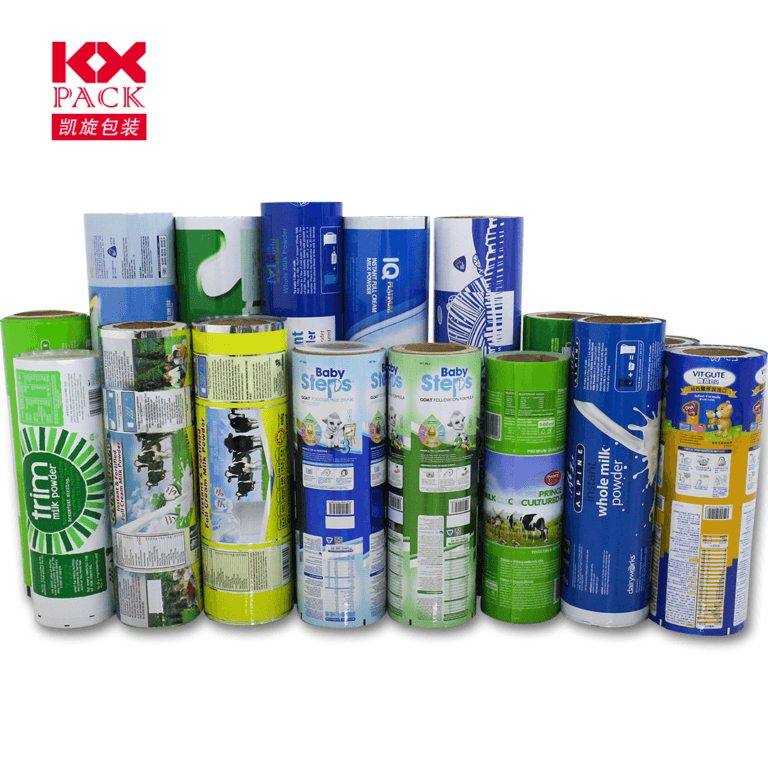
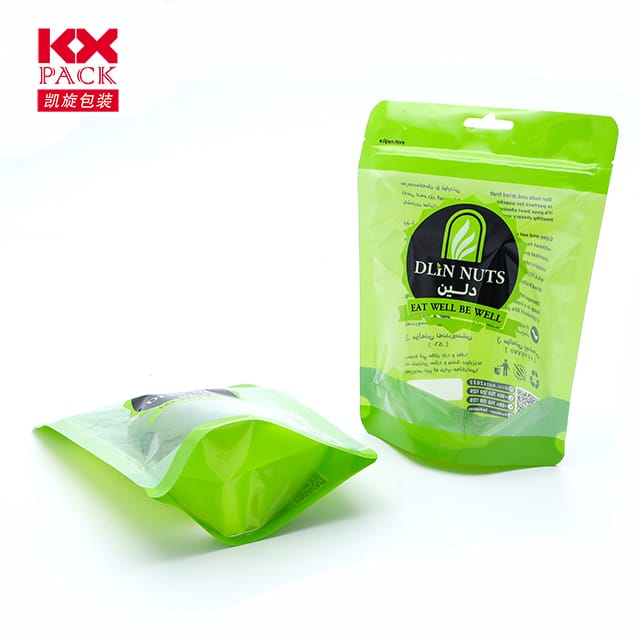
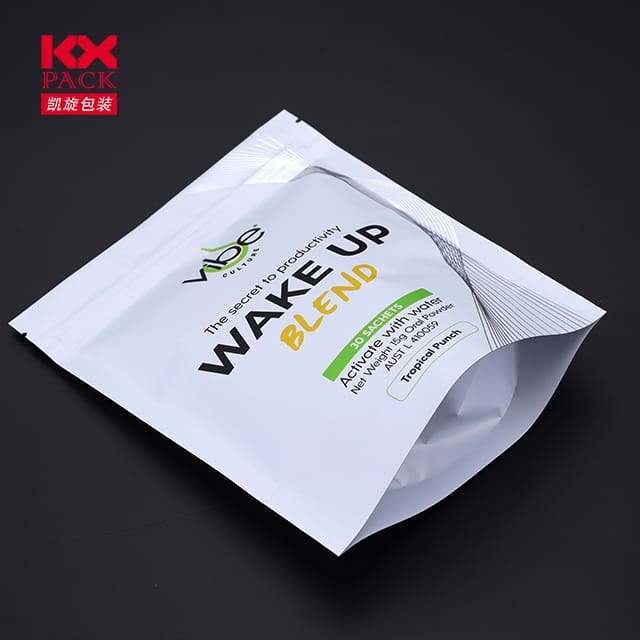
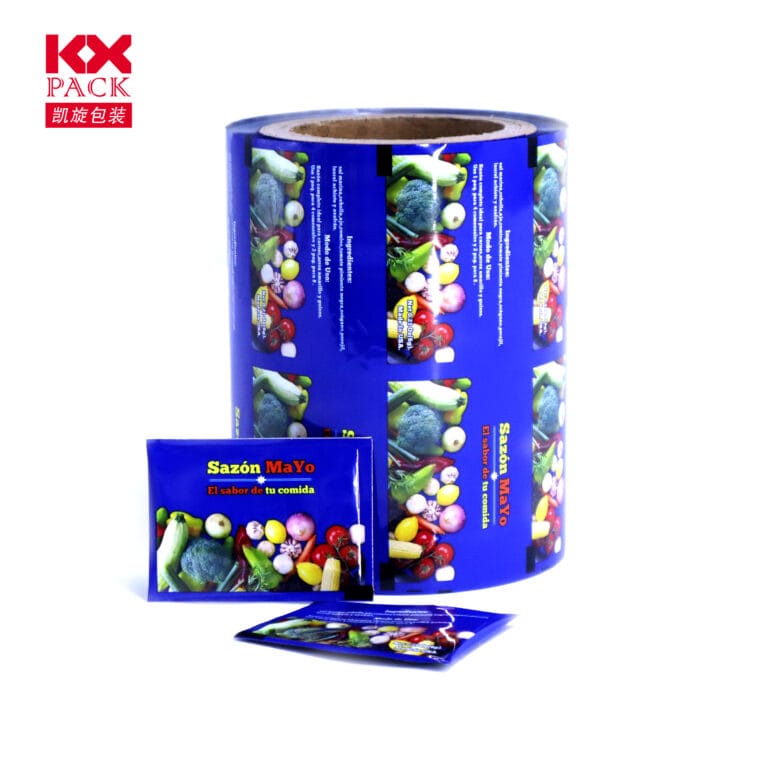
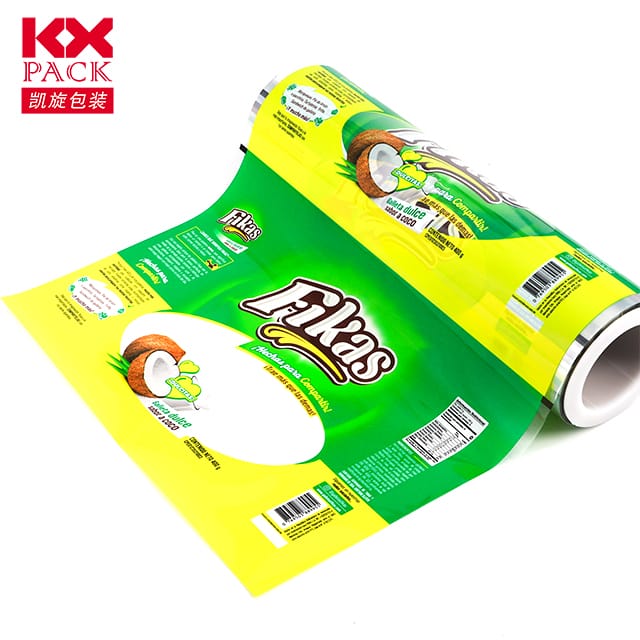
From protecting leftovers to safeguarding fragile packages, plastikinė plėvelė (dažnai vadinama lipnia plėvele, Sarano įvyniojimas, arba tempimo plėvele) yra ramus darbinis arkliukas mūsų kasdienybėje. Vis dėlto, jos patogumas slepia sudėtingą naujovių naratyvą, poveikį aplinkai, ir besivystančios tvarumo pastangos. Išsiaiškinkime šios įvairiapusės medžiagos istoriją – jos panaudojimą, ginčus, and the future it’s shaping.
The Evolution of Plastic Film Wrap
Plastic film wrap traces its roots to the mid-20th century, when Dow Chemical introduced the first “Sarano įvyniojimas” in 1949. Originally designed for military use to protect equipment, its ability to cling to surfaces without adhesives soon made it a household staple. Šiandien, it’s used across industries:
- Maisto saugojimas: Preserving freshness, užkirsti kelią gedimui, ir sumažinti maisto švaistymą.
- Logistics & Siuntimas: Bundling products, securing pallets, and protecting goods during transit.
- Žemės ūkis: Shielding crops from pests or harsh weather.
- Healthcare: Sterilizing medical equipment and wrapping supplies.
Jo lengvas, lankstus, and transparent nature has revolutionized how we package, store, and transport items—but at what cost?
Aplinkos galvosūkis
While plastic film wrap offers undeniable benefits, its environmental footprint is hard to ignore:
- Vienkartinės atliekos: Most wraps are discarded after a single use, contributing to the 380 million tons of plastic waste generated globally each year.
- Perdirbimo iššūkiai: Many wraps are made from low-density polyethylene (LDPE), which is technically recyclable but often contaminated with food or non-recyclable materials, leading to low recycling rates.
- Mikroplastiko tarša: When improperly disposed of, film wrap breaks down into microplastics that infiltrate ecosystems, soil, and even our food chain.
Critics argue that the convenience of plastic wrap comes at the expense of planetary health—a trade-off that demands urgent solutions.
Innovations for a Sustainable Future
Geros naujienos? The plastic wrap industry is evolving. Here’s how:
- Biologiškai skaidus & Kompostuojamos alternatyvos:
- Companies are experimenting with plant-based materials (like cornstarch or seaweed) to create wraps that decompose naturally.
- Pavyzdys: “Notpla,” a startup making edible/biodegradable seaweed-based films for food packaging.
- Perdirbamas & Perdirbtas turinys:
- Brands are increasing the use of post-consumer recycled (PGR) plastics in film production.
- Naujovės kaip “mono-material” įvyniojimai (made from a single type of plastic) improve recyclability.
- Daugkartinio naudojimo sistemos:
- Silikoniniai maisto užvalkalai, bičių vaško įvyniojimai, and reusable silicone stretch lids are gaining popularity as eco-friendly alternatives for home use.
- Išmanioji pakuotė:
- Edible coatings (like casein or algae-based films) could replace plastic entirely for certain applications, such as coating produce to extend shelf life.
Consumer Responsibility: Small Changes, Didelis Poveikis
While industries innovate, individuals can also play a role:
- Sumažinti: Opt for reusable containers or beeswax wraps instead of disposable film.
- Perdirbti teisingai: Check local guidelines—some areas accept clean LDPE wraps in recycling bins.
- Support Sustainable Brands: Choose companies prioritizing eco-friendly materials or refill/reuse programs.
Kelias priekyje
Plastic film wrap isn’t going away anytime soon—its utility is too vast. Tačiau, the future lies inredesigning it for sustainability. Whether through biodegradable materials, closed-loop recycling systems, or behavior shifts, the goal is clear: preserve the convenience we love without compromising the planet.
As consumers and innovators, we hold the power to reshape this story. The next time you reach for that roll of plastic wrap, paklausk savęs: Is there a greener alternative? Because the choices we make today will determine whether this humble material remains a hero or becomes a villain in tomorrow’s tale.
What’s your take on plastic film wrap? Love it, loathe it, or looking for alternatives? Aptarkime komentaruose! 🌍💡