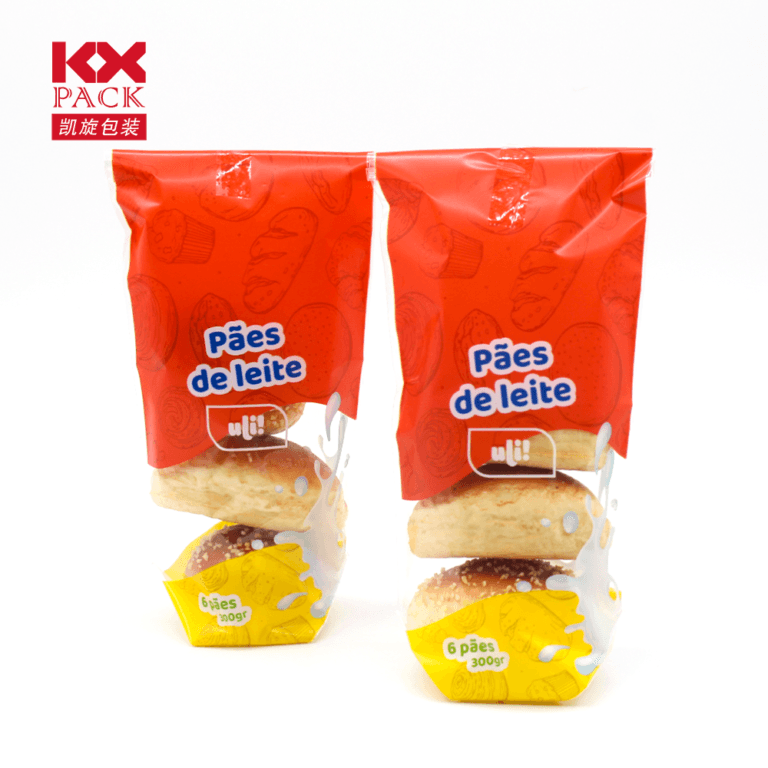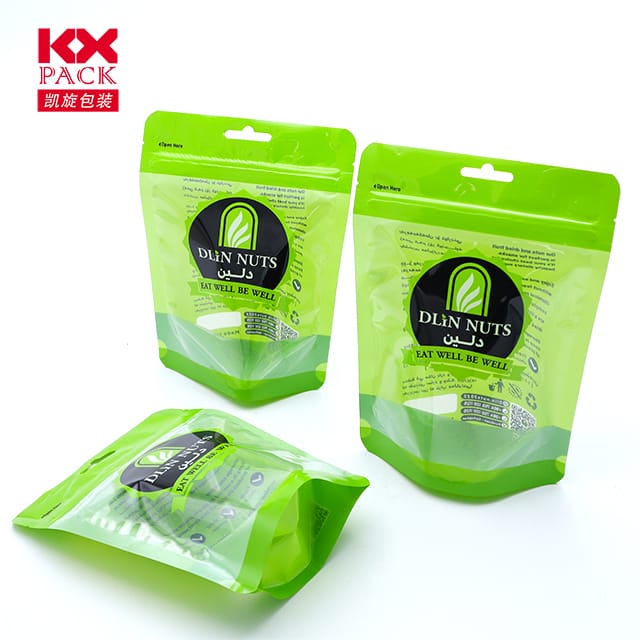
Pakavimo plėvelių evoliucija: Inovacijos skatina tvarumą, Funkcionalumas, ir vartotojų apeliacinis skundas
Pakuočių filmai
Šiandieniniame sparčiai besikeičiančiame vartotojų pasaulyje, packaging films play a pivotal role in preserving products, padidinti prekės ženklo matomumą, ir pasiekti tvarumo tikslus. Nuo maisto ir vaistų iki elektronikos ir elektroninės prekybos, Šios universalios medžiagos yra nepakartojami šiuolaikinių pakuočių herojai. Tačiau dėl ko pakavimo plėvelės yra tokios būtinos, and how are manufacturers innovating to keep up with evolving demands? Let’s dive into the world of packaging films—exploring their types, nauda, iššūkiai, ir ateities tendencijos.
1. What Are Packaging Films?
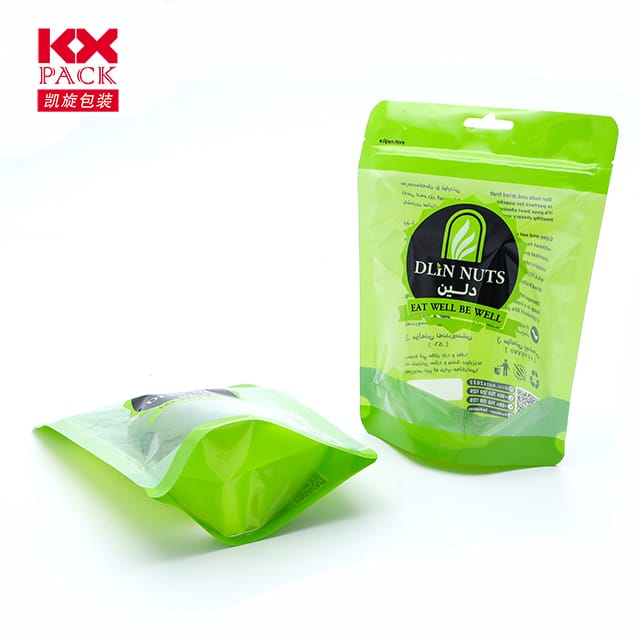
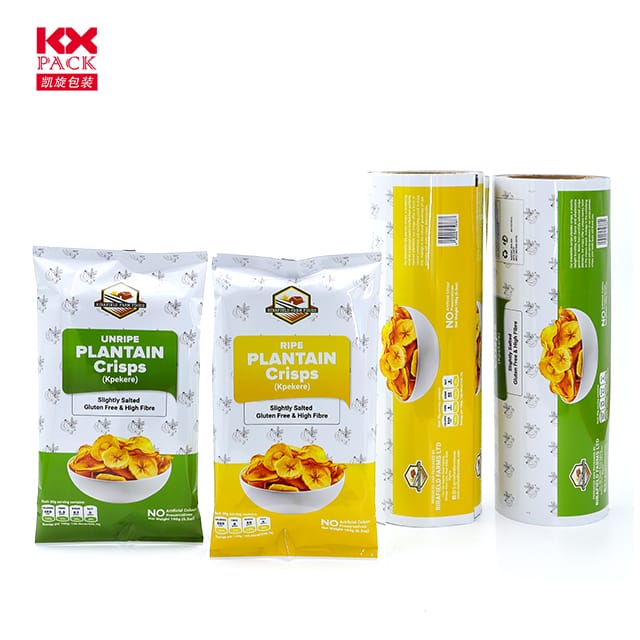
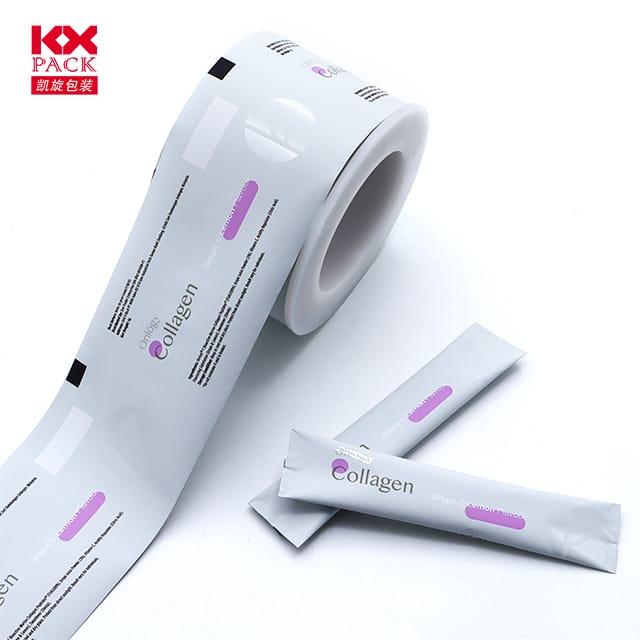
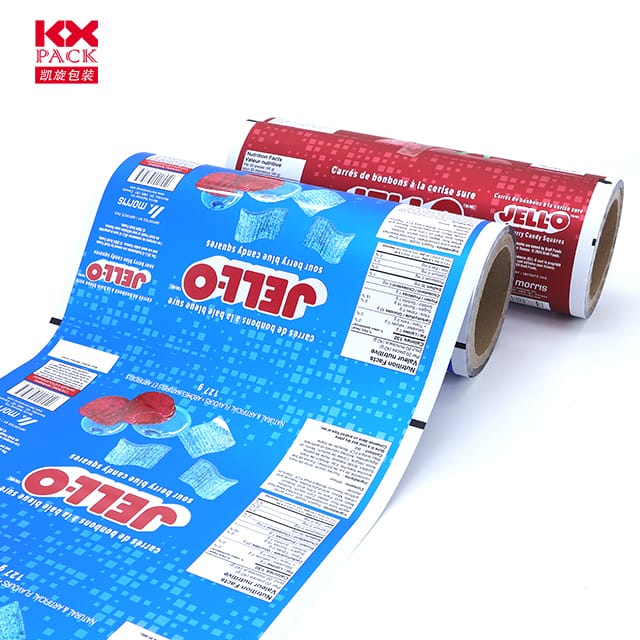
Packaging films are thin, flexible materials used to wrap, antspaudas, arba apsaugoti gaminius. They can be made from various polymers, įskaitant:
- Polietilenas (PE): Common in grocery bags and food wraps due to its flexibility and moisture resistance.
- Polipropilenas (PP): Known for its clarity and strength, often used in snack packaging and labels.
- Poliesteris (PET): Offers high tensile strength and heat resistance, ideal for blister packs and ovenable trays.
- Biologiškai skaidžios plėvelės: Made from materials like PLA (Polilakto rūgštis) or starch blends, targeting eco-conscious markets.
- Multi-Layer Films: Combining different polymers to optimize barrier properties (Pvz., Deguonis, drėgmės, lengvas) for extended shelf life.
2. Key Functions of Packaging Films
Modern packaging films do much more than just contain products. They serve multiple critical roles:
- Apsauga: Shielding items from contamination, drėgmės, UV spinduliai, ir fizinė žala.
- Konservavimas: Extending shelf life for perishables like fresh produce, mėsos, ir vaistai.
- Patogumas: Enabling easy-to-open, pakartotinai uždaroma, or single-serve packaging formats.
- Prekės ženklas: Providing a printable surface for logos, product info, and eye-catching designs.
- Tvarumas: Reducing waste through lightweighting, perdirbamumas, or compostability.
3. Innovations Shaping the Future of Packaging Films
The packaging industry is undergoing a transformation, driven by consumer demand for sustainability and advanced functionality. Here are some game-changing trends:
A. Tvarios alternatyvos
- Biologiškai skaidžios ir kompostuojamos plėvelės: Brands are switching to plant-based materials to reduce plastic pollution. Pavyzdžiui, Coca-Cola and Nestlé have trialed compostable coffee pods and snack wrappers.
- Perdirbtas turinys: Using post-consumer recycled (PGR) plastics in film production to close the loop.
- Paper-Based Hybrids: Combining paper with a thin plastic barrier for recyclability without sacrificing performance.
B. Išmaniosios pakavimo plėvelės
- Aktyvi pakuotė: Plėvelės su antioksidantais, antimikrobinės medžiagos, or oxygen scavengers to prolong freshness.
- Intelligent Films: Temperature-sensitive indicators, QR kodai, or NFC tags for traceability and consumer engagement.
- Barrier Enhancements: Nanotechnology-coated films that block gases and odors more effectively than traditional materials.
C. Lightweighting and Efficiency
- Plonesnis, Stronger Films: Advances in polymer science allow for down-gauging (reducing thickness) without compromising strength, saving material costs and reducing environmental impact.
- Mono-Material Structures: Simplifying recycling by using a single type of polymer instead of multi-layer blends.
4. Challenges in the Packaging Film Industry
Despite innovations, several hurdles remain:
- Kaina vs. Tvarumas: Ekologiškos medžiagos dažnai būna brangesnės, making adoption slower for budget-conscious brands.
- Perdirbimo infrastruktūra: Many biodegradable films require industrial composting facilities, which are scarce in some regions.
- Kompromisai dėl našumo: Some sustainable films may lack the barrier properties or durability of conventional plastics.
- Regulatory Complexity: Navigating global regulations on plastic use, ženklinimas, and waste management.
5. Vartotojo perspektyva: What Do Shoppers Want?
Today’s consumers are more environmentally aware than ever. Surveys show:
- 70% of shoppers prefer brands with sustainable packaging.
- 60% are willing to pay more for eco-friendly options.
- Transparency matters: Consumers want clear labels about recyclability and compostability.
Brands that prioritize sustainability—without sacrificing convenience or aesthetics—are winning loyalty.
6. Kelias priekyje: A Circular Economy for Packaging Films
The future of packaging films lies in ažiedinė ekonomika modelis, where materials are reused, perdirbta, or composted. Key strategies include:
- Design for Recyclability: Creating films that are easy to separate and process.
- Collaboration Across the Supply Chain: Working with recyclers, policymakers, and retailers to improve infrastructure.
- Investing in R&D: Continuously innovating to bridge the gap between performance and sustainability.
Išvada: Packaging Films in a Sustainable World
Packaging films are at a crossroads—balancing the need for product protection with the urgency of environmental stewardship. As technology advances and consumer expectations evolve, the industry must adapt to deliver solutions that are both functional and future-proof.
What’s your take on packaging films? Do you prioritize sustainability when shopping, or do you think there’s room for improvement in eco-friendly options? Pasidalykite savo mintimis žemiau!