Laminuotų plėvelių vaidmuo keičiant maisto pakuotes (3)
Laminuotos plėvelės
Nuolat besikeičiančiame maisto pakavimo kraštovaizdyje, laminuotos plėvelės pasirodė kaip žaidimo keitiklis, siūlo harmoningą funkcionalumo derinį, tvarumas, ir estetinis patrauklumas. Šios daugiasluoksnės polimerinės medžiagos yra sukurtos taip, kad apsaugotų maisto produktus ir atitiktų šiuolaikinių vartotojų poreikius bei reguliavimo standartus.. Pasigilinkime, kodėl laminuotos plėvelės yra kertinis maisto pakavimo pramonės akmuo.
Kas yra laminuotos plėvelės?
Laminuotos plėvelės yra kompozicinės medžiagos, sukurtos sujungiant du ar daugiau skirtingų polimerų sluoksnių (Pvz., PET, PE, PP, PA, arba aliuminio folija) naudojant klijus arba koekstruziją. Šis sluoksniavimas leidžia gamintojams pritaikyti tokias savybes kaip:
- Apsauga nuo barjerų: Blokuoja drėgmę, Deguonis, lengvas, ir kvapai.
- Mechaninis stiprumas: Atlaiko pradūrimus, Ašaros, ir temperatūros svyravimai.
- Sandarumas: Užtikrinti sandarų uždarymą, kad būtų ilgesnis šviežumas.
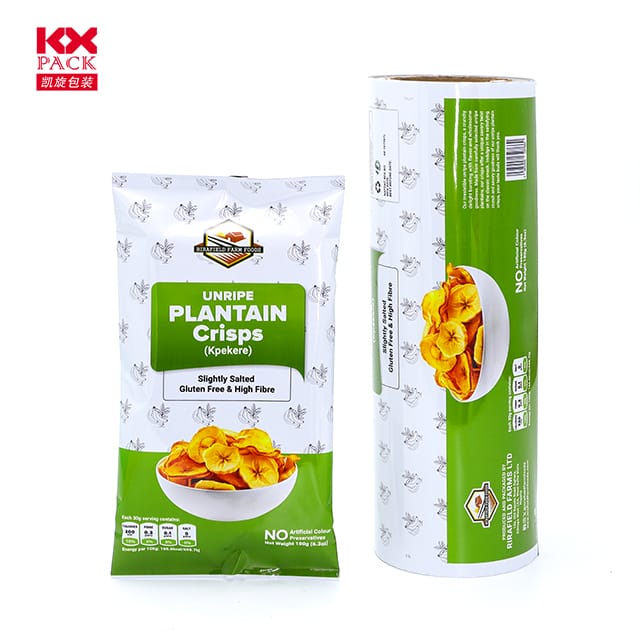
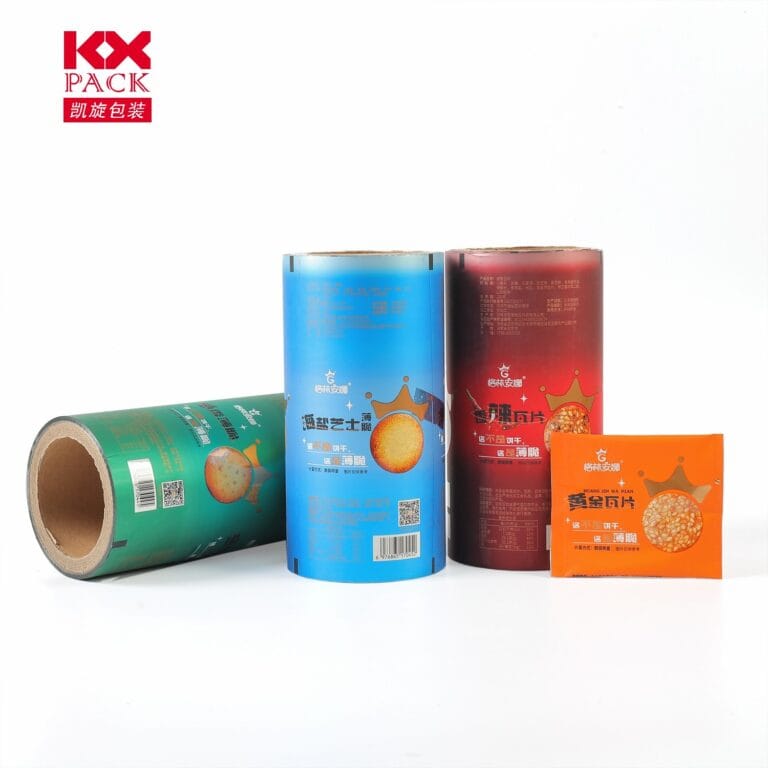
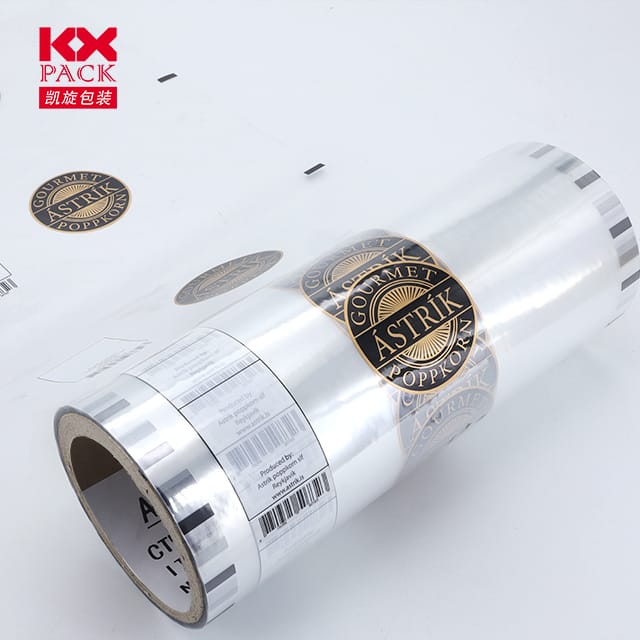
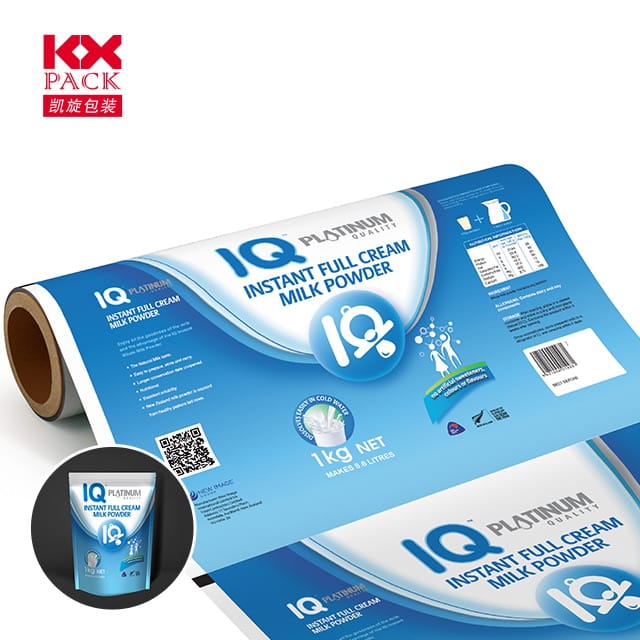
- Galimybė spausdinti: Aukštos kokybės grafika, skirta prekės ženklo kūrimui ir vartotojų įtraukimui.
Pagrindiniai maisto pakavimo pranašumai
- Pailgintas galiojimo laikas
Sukuriant barjerą nuo išorinių elementų, laminuotos plėvelės žymiai padidina greitai gendančių produktų, pavyzdžiui, mėsos, šviežumą, sūriai, ir užkandžiai. Pavyzdžiui, PET/aliuminio/PE laminatas gali blokuoti iki 99% deguonies, užkirsti kelią oksidacijai ir mikrobų augimui. - Universalumas įvairiose programose
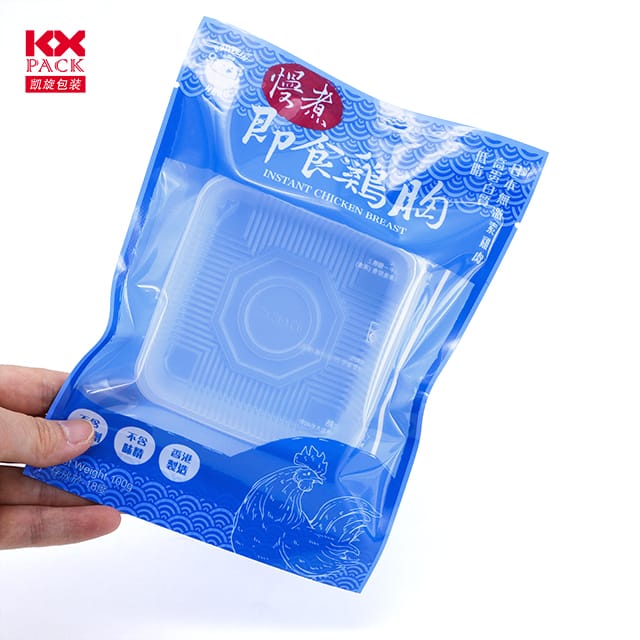
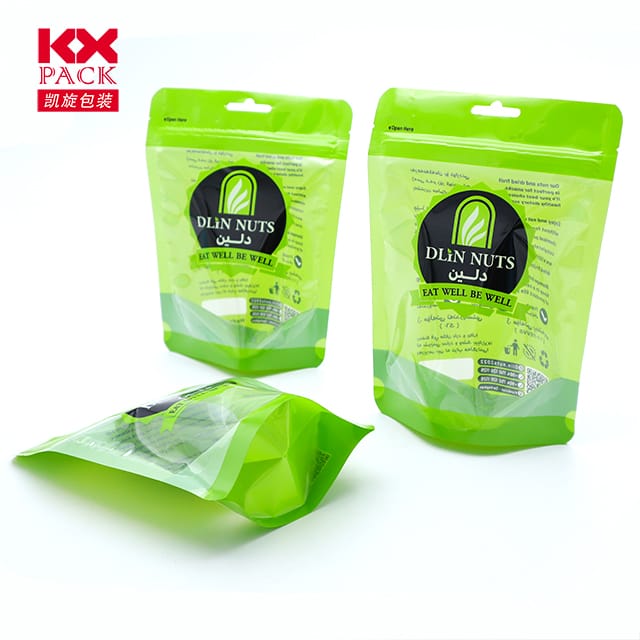
- Lanksti pakuotė: Maišeliai, paketėliai, ir srauto įvyniojimai užkandžiams, kavos, ir naminių gyvūnėlių maistą.
- Tvirti konteineriai: Dangteliai ir padėklai paruoštiems patiekalams ar pieno produktams.
- Specializuotas naudojimas: Mikrobangų krosnelėje tinkami maišeliai, retortų maišeliai sterilizuotiems maisto produktams, ir vakuume supakuotos prekės.
- Sustainability Push
Šiuolaikinės laminuotos plėvelės vis dažniau kuriamos atsižvelgiant į tinkamumą perdirbti ir kompostuoti. Naujovės apima:- Monomedžiagos struktūros: Perdirbimo srautų supaprastinimas.
- Biologiniai polimerai: Gaunamas iš atsinaujinančių šaltinių, tokių kaip kukurūzų krakmolas arba cukranendrės.
- Sumažintas storis: Lengvas, kad sumažintų anglies pėdsaką, nepakenkiant našumui.
- Prekės ženklo diferenciacija
Lygus laminuotų plėvelių paviršius leidžia spausdinti ryškiai, Matinė apdaila, arba holografinius efektus, leidžiantys prekių ženklams išsiskirti perpildytose lentynose.
Aplinkos problemų sprendimas
Nors tradiciniai kelių medžiagų laminatai buvo kritikuojami dėl perdirbamumo problemų, pramonė sparčiai prisitaiko:
- Pažangios rūšiavimo technologijos: Optiniai rūšiuotojai ir cheminiai perdirbėjai dabar gali atskirti sluoksnius.
- Žiedinės ekonomikos modeliai: Prekių ženklų ir perdirbėjų partnerystė siekiant surinkti po vartojimo atliekas.
- Sertifikatai: Atitikimas tokiems standartams kaip FSC™ (popieriaus pagrindo laminatams) arba Gerai Kompostas (biologiškai skaidomiems variantams).
Ateities tendencijos
- Intelektuali pakuočių integracija
Laminatės su jutikliais arba QR kodais gali stebėti šviežumą arba atsekti produkto kilmę realiu laiku. - Nano patobulintos kliūtys
Sudėtyje yra nanomedžiagų, siekiant pagerinti dujų barjero savybes ir sumažinti bendrą plėvelės storį. - Uždarojo ciklo sistemos
Bendradarbiavimas visoje vertės grandinėje siekiant užtikrinti, kad laminuotos plėvelės būtų pakartotinai naudojamos arba perdirbamos į naujas pakuotes.
Išvada
Laminuotos plėvelės yra daug daugiau nei tik apsauginiai sluoksniai – tai dinamiški sprendimai, subalansuojantys našumą, tvarumas, ir vartotojų kreipimasis. Technologijoms tobulėjant, šios medžiagos toliau tobulės, skatinti inovacijas maisto konservavimo ir aplinkos tvarkymo srityse. Prekiniams ženklams, siekiantiems patobulinti savo pakavimo strategiją, Išnagrinėti šiuolaikinių laminuotų plėvelių potencialą yra ne tik galimybė – tai būtinybė.
🔗Sužinokite daugiau apie tvarios pakavimo tendencijas mūsų naujausioje ataskaitoje: [Nuoroda į hipotetinę pramonės ataskaitą].
Kokios maisto pakuočių naujovės jus jaudina labiausiai? Pasidalykite savo mintimis žemiau! 👇