Maisto vyniojimo plėvelė ir maisto pakavimo plėvelė: Galutinis šviežumo vadovas, Saugumas, ir tvarumas
Kalbant apie skonio išsaugojimą, tekstūra, ir mėgstamų patiekalų maistinę vertę, negiedoti mūsų virtuvių ir tiekimo grandinių herojai maistinė plėvelė ir maisto pakavimo plėvelės. Nesvarbu, ar esate namų virėjas, kuris stengiasi, kad praėjusios nakties lazanija neišdžiūtų, arba komercinis maisto gamintojas, gabenantis subtilius produktus visoje šalyje, Svarbiausia yra pasirinkti tinkamą medžiagą.
Bet būkime sąžiningi: lanksčių pakuočių pasaulis gali būti neįtikėtinai painus. Su tokiais terminais kaip PVC, PE, barjero savybės, ir biologinis skaidumas, kaip tu žinai, kas iš tikrųjų veikia?
Šiame išsamiame vadove, išpakuosime viską, ką reikia žinoti maistinė plėvelė sprendimus, susipažinti su naujausiomis naujovėmis maisto pakavimo plėvelės, ir padėti jums būti informuotam, ekologiški pasirinkimai.
Kodėl maisto vyniojimo plėvelė yra būtina virtuvėje
Mes visi ten buvome – žiūrėjome į pusiau suvalgytą avokadą, svarsto, kaip sustabdyti, kad jis nepavirstų rudas, nepretenzinga košė. Čia yra aukštos kokybės maistinė plėvelė įžengia.
Jo esmė, lipni plėvelė sukurta taip, kad išskirtinai gerai atliktų du dalykus: prilimpa prie paviršių ir blokuoja deguonį.
Ištempimo mokslas
Istoriškai, polivinilchloridas (PVC) buvo populiariausia buitinės lipnios plėvelės medžiaga dėl neįtikėtino tempimo ir puikaus lipnumo. Tačiau, vystantis sveikatos ir aplinkosaugos problemoms, pramonė smarkiai perėjo prie polietileno (PE).
Šiuolaikinis PE maistinė plėvelė siūlo netoksišką, Alternatyva be BPA, kuri saugiai užfiksuoja drėgmę, neišplaudama kenksmingų cheminių medžiagų į jūsų maistą. Tai sukuria sandarumą, mikroaplinka, kuri drastiškai sulėtina oksidacijos procesą, išlaikyti savo vaisius, daržovės, o baltymai švieži dienų ilgiau.
Žaidimo pakėlimas: Komercinės maisto pakavimo plėvelės
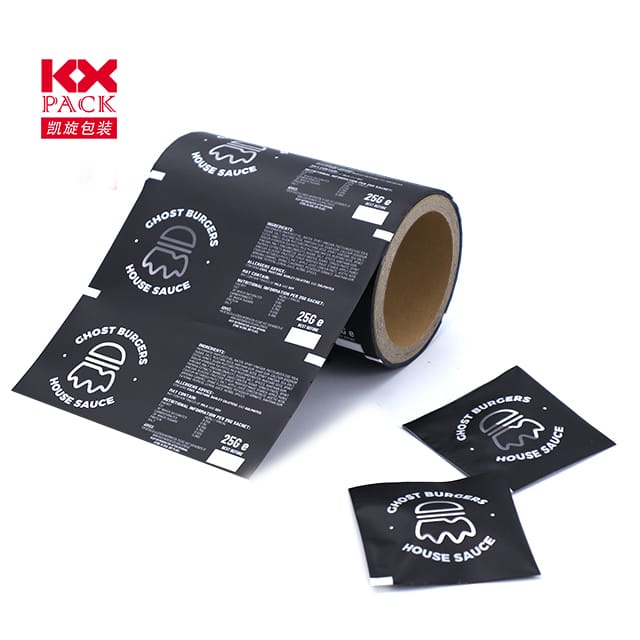
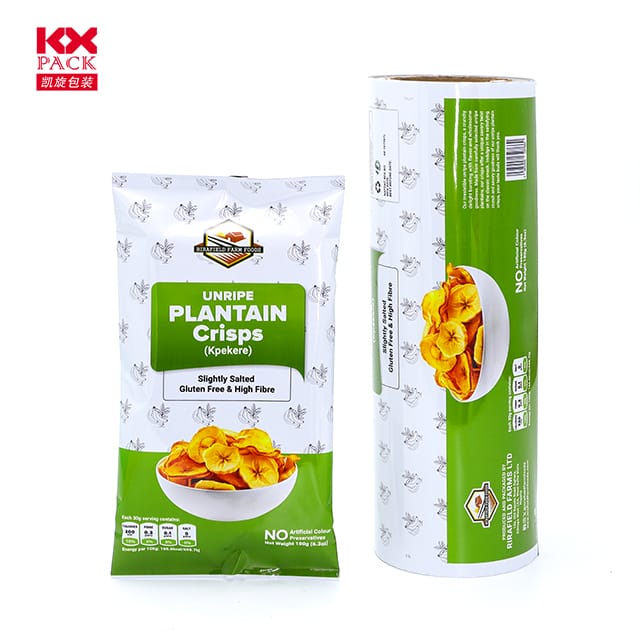
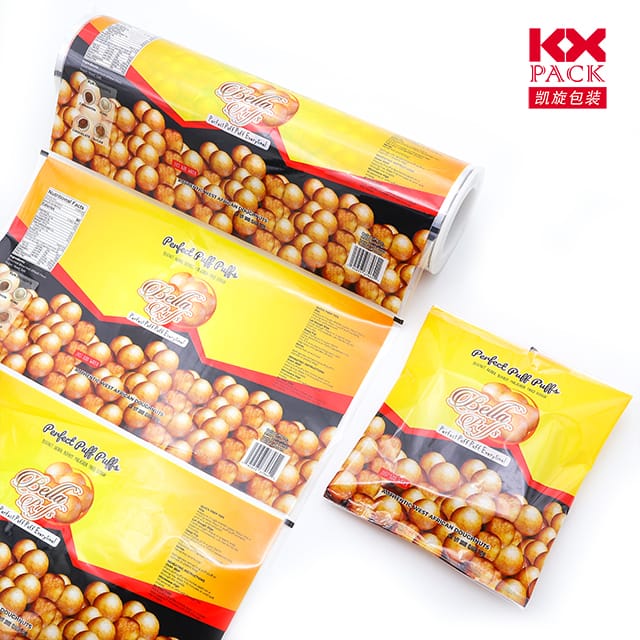
Nors standartinė lipni plėvelė puikiai tinka trumpalaikiam konservavimui buityje, pasaulinė maisto pramonė reikalauja kažko daug tvirtesnio. Įeikite į pramonę maisto pakavimo plėvelės. Tai nėra jūsų įprastiniai bakalėjos parduotuvės įvyniojimai; jie yra labai suprojektuoti, daugiasluoksniai technologiniai stebuklai, skirti pratęsti galiojimo laiką nuo dienų iki mėnesių.
1. Modifikuota atmosferos pakuotė (ŽEMĖLAPIS)
Ar kada nors susimąstėte, kaip supakuoti salotų žalumynai savaitėmis išlieka idealiai traškūs? Paslaptis slypi specializuotuose maisto pakavimo plėvelės naudojamas MAP. Šios plėvelės yra sukurtos pagal specifinius dujų pralaidumo rodiklius. Jie užtikrina tikslų deguonies balansą, anglies dvideginio, ir azoto, kad būtų pakuotės viduje, efektyviai sustabdyti maisto senėjimo procesą “miegoti.”
2. Aukštos kokybės filmai
Mėsai, sūriai, ir perdirbtų maisto produktų, drėgmė ir deguonis yra visuomenės priešas numeris vienas. Išplėstinė maisto pakavimo plėvelės naudoti kelis sluoksnius – dažnai derinant nailoną, Evoh, ir polietilenas – sukurti nepraeinamą barjerą. Tai apsaugo nuo šaldiklio nudegimo, užrakina aromatą, ir pašalina kryžminio užteršimo pavojų tranzito metu.

Žalioji revoliucija: Ekologiški pakavimo sprendimai
Kreipkimės į dramblį kambaryje: plastiko atliekos. Tradicinis vienkartinio plastiko pasitikėjimas maistinė plėvelė neabejotinai prisidėjo prie aplinkos įtampos. Laimei, pakuočių pramonė išgyvena didžiulę ekologišką transformaciją.
Šiandien vartotojai reikalauja tvarumo, ir gamintojai žengia į priekį su novatoriškomis naujovėmis:
- Pla (Polilakto rūgštis) Filmai: Gaunamas iš atsinaujinančių išteklių, pavyzdžiui, kukurūzų krakmolo ar cukranendrių, šios plėvelės yra visiškai kompostuojamos pramoninėmis sąlygomis.
- Įvyniojimai celiuliozės pagrindu: Pagaminta iš medienos masės, jie suteikia puikų skaidrumą ir barjerines savybes, kartu yra natūraliai biologiškai skaidūs.
- Perdirbamos monomedžiagos: Tradiciškai, daugiasluoksnių plėvelių buvo neįmanoma perdirbti, nes sluoksnių nepavyko atskirti. Nauja inžinerija leidžia daugiasluoksnį maisto pakavimo plėvelės pagamintas iš tos pačios polimerų šeimos (kaip visas polietilenas), juos gaminant 100% perdirbamas.
Ekologiškų alternatyvų pasirinkimas nereiškia, kad reikia aukoti našumą. Naujausios biologinės kilmės plėvelės siūlo tą patį, aiškumas, ir jėga kaip jų protėviai iš naftos.
Kaip išsirinkti tinkamą filmą pagal jūsų poreikius
Su tiek daug galimybių rinkoje, Tinkamos medžiagos pasirinkimas gali jaustis be galo sunku. Čia pateikiama greita analizė, kuri padės apsispręsti:
| Taikymas | Rekomenduojama medžiaga | Pagrindinė nauda |
| Kasdieniai likučiai & Buitinis naudojimas | Polietilenas (PE) maistinė plėvelė | Saugus, be chemijos, lengva naudoti |
| Šviežia mėsa & Paukštiena (Komercinis) | PVC arba aukšto barjero koekstruzinė plėvelė | Puiki deguonies perdavimo kontrolė, aukščiausios kokybės aiškumas |
| Šaldyti maisto produktai | Laminuotas maisto pakavimo plėvelės (PET/PE) | Didelis atsparumas pradūrimui, apsaugo nuo šaldiklio nudegimo |
| Ekologiški prekių ženklai | Kompostuojamas PLA arba monomedžiaga PE | Sumažina anglies pėdsaką, kreipiasi į ekologiškus vartotojus |
Geriausia saugaus maisto laikymo praktika
Norėdami gauti maksimalią naudą iš savo maistinė plėvelė, turėkite omenyje šiuos praktinius patarimus:
- Venkite didelio karščio: Nebent filmas yra aiškiai pažymėtas kaip “saugus mikrobangų krosnelėje,” kaitinimo metu neleiskite liesti riebių ar daug cukraus turinčių maisto produktų, nes dėl didelio karščio plėvelė gali išsilydyti.
- Užtikrinkite sandarų sandarumą: Pakuojant konteinerius, įsitikinkite, kad kraštai yra sausi. Sausas ratlankis leidžia maistinė plėvelė kad susidarytų tinkamas sandarus ryšys.
- Tinkamai laikyti: Nepanaudotus plėvelės ritinius laikykite vėsioje vietoje, sausoje vietoje, apsaugotoje nuo tiesioginių saulės spindulių, kad būtų išsaugotos jų lipnios savybės.
Galutinės mintys: Maisto konservavimo ateitis
Evoliucija maistinė plėvelė ir komercinės maisto pakavimo plėvelės įrodo, kad mums nereikia rinktis tarp maisto saugos ir atsakomybės aplinkai. Technologijoms judant į priekį, galime tikėtis dar išmanesnių pakuočių – plėvelių, kurios keičia spalvą, kai maistas genda, arba valgomieji įvyniojimai iš jūros dumblių baltymų.
Suprasdami medžiagas, kurias naudojame savo maistui apsaugoti, galime sumažinti maisto švaistymą, taupyti pinigus, ir priimti sprendimus, kurie su mūsų planeta elgiasi pagarbiai.
Ką manote apie tvarios pakuotės ateitį?? Ar jau perėjote prie kompostuojamų įvyniojimų?? Praneškite mums žemiau esančiuose komentaruose!