Lanksčių pakuočių plėvelių gamintojų augimas: Novatoriškas tvarumas ir naujovės šiuolaikinių pakuočių srityje
Lanksčia pakuotės plėvelė
In an era where convenience, tvarumas, ir sąnaudų efektyvumas skatina vartotojų ir pramonės poreikius, flexible packaging film manufacturers have emerged as key players in reshaping the global packaging landscape. Šios įmonės specializuojasi lengvųjų svorių gamyboje, pritaikomos medžiagos, kurios apsaugo gaminius ir sumažina poveikį aplinkai. Nuo maisto ir gėrimų iki farmacijos ir elektronikos, flexible films are revolutionizing how goods are packaged, stored, and delivered. Panagrinėkime tendencijas, iššūkiai, and innovations defining this dynamic industry.
Why Flexible Packaging? The Advantages Speak Volumes
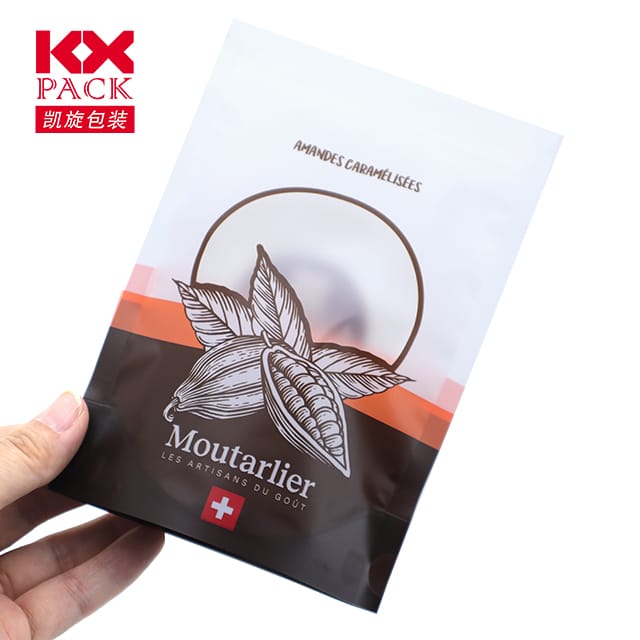
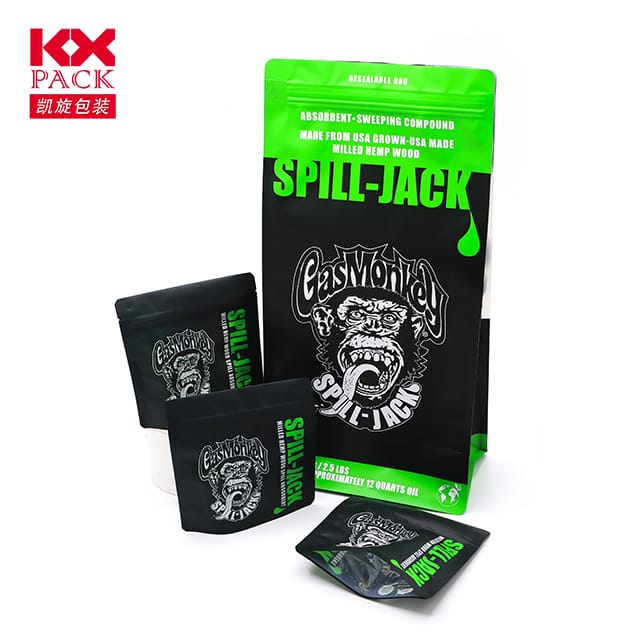
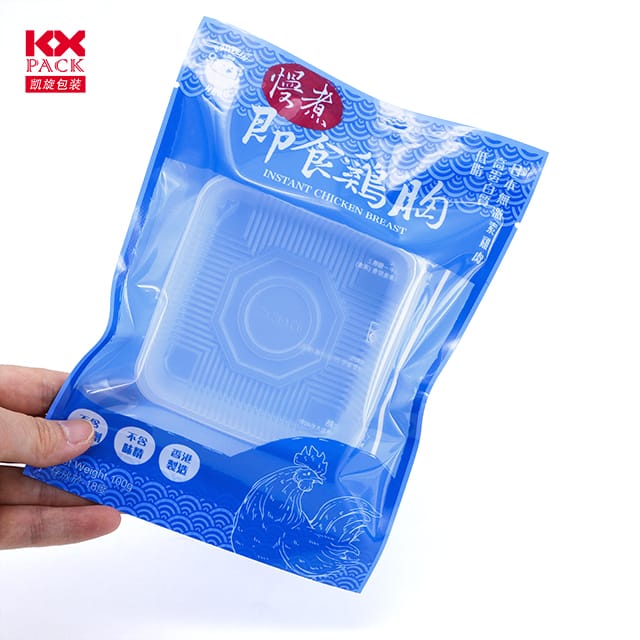
Flexible packaging films—made from materials like polyethylene (PE), polipropileno (PP), poliesteris (PET), and biodegradable laminates—offer unmatched versatility. Skirtingai nuo kietos pakuotės (Pvz., glass or metal), these films can be molded into pouches, krepšiai, įvyniojimai, or liners, adapting to products of all shapes and sizes. Pagrindiniai privalumai apima:
- Sumažintas medžiagų naudojimas: Lightweight films lower shipping costs and carbon footprints.
- Prailgintas galiojimo laikas: Advanced barrier properties protect against moisture, Deguonis, ir UV šviesa, šviežumo išsaugojimas.
- Consumer Convenience: Užsegami užtrauktukai, snapeliai, and easy-tear features enhance usability.
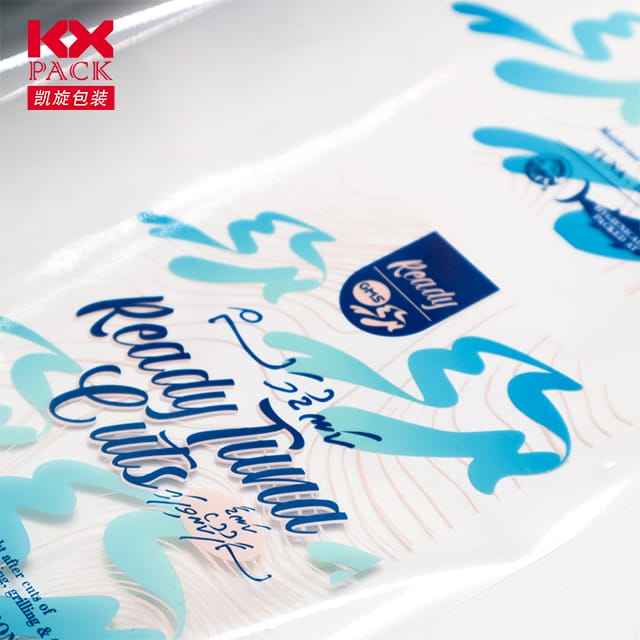
- Brand Visibility: High-quality printing options allow for vibrant, eye-catching designs.
Tvarumas: The Core Challenge and Opportunity
As global awareness of plastic pollution grows, flexible packaging film manufacturers are under pressure to innovate. Traditional single-use plastics face backlash, but the industry is responding with eco-friendly solutions:
- Biologiškai skaidžios ir kompostuojamos plėvelės: Made from plant-based materials like polylactic acid (Pla), šios plėvelės natūraliai suyra tam tikromis sąlygomis.
- Recyclable Laminates: Multi-layer films are being redesigned for easier recycling, while chemical recycling technologies convert waste back into raw materials.
- Perdirbta po vartojimo (PGR) Turinys: Manufacturers are incorporating recycled plastics into new films, sumažinti priklausomybę nuo pirminių medžiagų.
Companies like Amcor, Bemis, and Sealed Air are leading the charge, setting ambitious goals to achieve 100% recyclable or reusable packaging by 2025–2030.
Technological Advancements Driving the Future
The flexible packaging sector is a hotbed of innovation, with manufacturers investing in:
- Išmanioji pakuotė: Films embedded with sensors or QR codes that track freshness, authenticate products, or engage consumers via apps.
- Aukštos kokybės filmai: Nanotechnology and advanced coatings enhance protection for sensitive goods like coffee, užkandžiai, and medical supplies.
- Skaitmeninė spauda: On-demand, short-run printing reduces waste and enables hyper-personalized branding.
- Automated Production: AI-powered machinery optimizes material usage and speeds up manufacturing, meeting the demands of e-commerce and fast-moving consumer goods (FMCG).
Market Trends and Global Outlook
The global flexible packaging market is projected to reach$350 milijardu 2030, vairuojamas:
- Rising e-commerce sales: Demand for lightweight, durable shipping materials.
- Urbanization and busy lifestyles: Pre-portioned, on-the-go packaging solutions.
- Health and safety concerns: Hygienic, tamper-evident films for pharmaceuticals and food delivery.
Asia-Pacific leads growth, with countries like China and India investing in flexible packaging infrastructure to serve their vast consumer bases. Tuo tarpu, Europe and North America focus on regulatory compliance and circular economy initiatives.
Tinkamo gamintojo pasirinkimas: Key Considerations
For brands seeking aflexible packaging film manufacturer, bendradarbiauti su patikimu, innovative supplier is critical. Ieškokite:
- Sertifikatai: Compliance with FDA, ES, and other safety standards.
- Pritaikymo galimybės: Ability to tailor film thickness, barriers, and features to your product.
- Tvarumo įsipareigojimas: Transparency in sourcing and waste reduction practices.
- Mastelio keitimas: Flexibility to handle small batches or large-volume orders efficiently.
Galutinės mintys: Flexibility Meets Responsibility
The future of packaging is flexible—but it must also be responsible. As manufacturers continue to innovate, the focus remains on balancing performance, cost, and planetary health. By embracing circular economy principles and cutting-edge technology, flexible packaging film manufacturers are not just adapting to change; they’re driving it.
Is your brand ready to make the switch to smarter, greener packaging? Share your thoughts or questions in the comments below! 🌍📦