Automatinių pakavimo plėvelių ritinių augimas: Revoliucinis efektyvumas šiuolaikinėse pramonės šakose
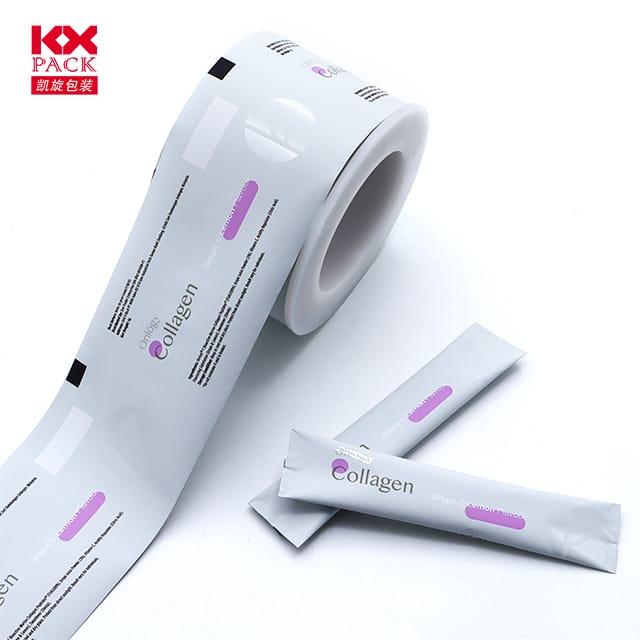
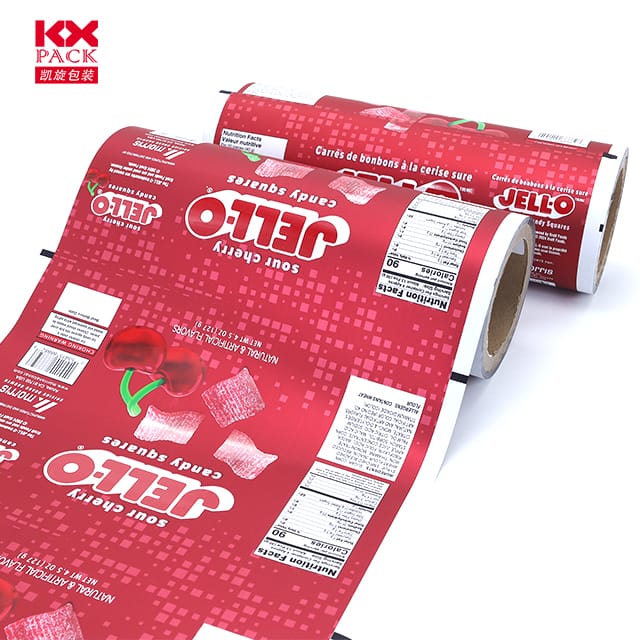
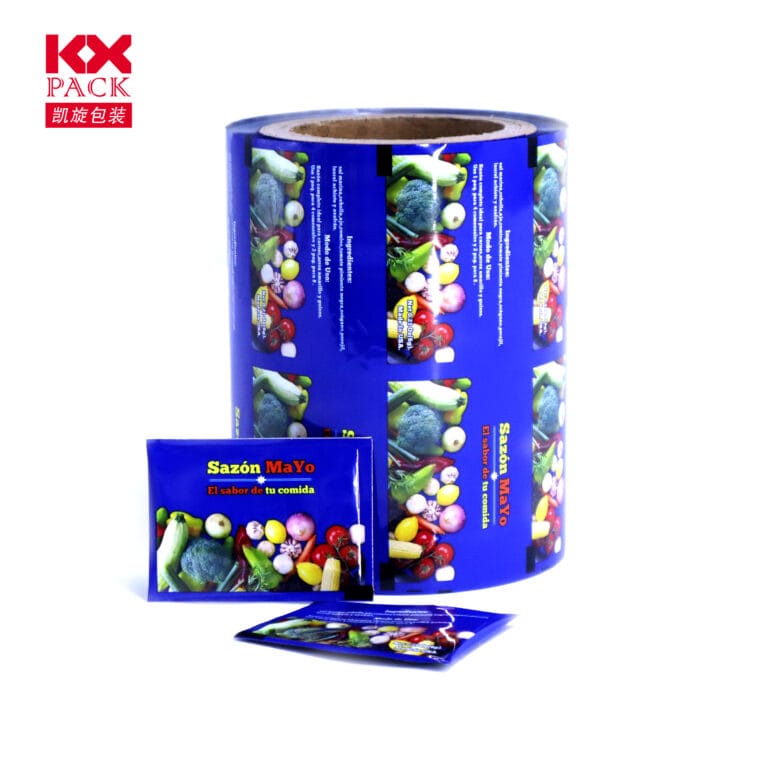
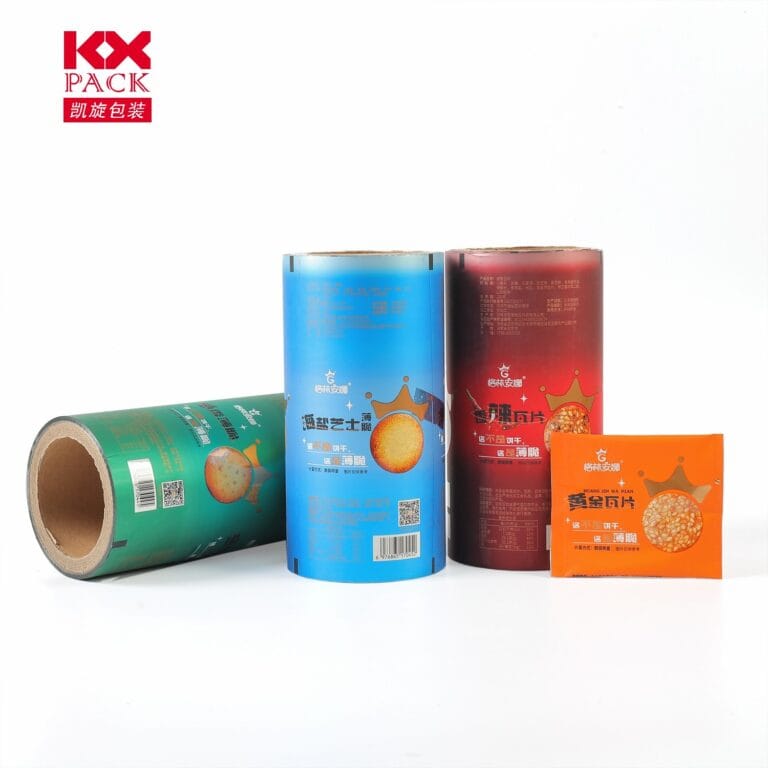
Automatiniai pakavimo plėvelės ritinėliai
In today’s fast-paced manufacturing landscape, automatiniai pakavimo plėvelės ritinėliai pasirodė kaip žaidimo keitiklis, pakeisti tai, kaip įmonės supaprastina veiklą, sumažinti atliekų, ir patenkinti besikeičiančius vartotojų poreikius. Nuo maisto ir gėrimų gigantų iki elektroninės prekybos centrų, šios išmaniosios medžiagos iš naujo apibrėžia pakavimo efektyvumą. Panagrinėkime jų technologijas, nauda, and why they’re becoming indispensable across industries.
What Are Automatic Packaging Film Rolls?
Automatic packaging film rolls are pre-engineered rolls of flexible material (Pvz., polietileno, polipropileno, or biodegradable films) designed to work seamlessly with automated packaging machinery. These systems use sensors, servo motors, and software to measure, supjaustyti, and seal the film with precision, eliminating manual intervention. Pagrindinės funkcijos apima:
- Pre-Perforated Designs: For easy tearing or portion control.
- Anti-Static Coatings: Preventing dust attraction in electronics packaging.
- UV-Resistant Layers: Extending shelf life for outdoor products.
- Customizable Widths/Thicknesses: Adapting to diverse product dimensions.
Core Technologies Driving Automation
- Smart Sensors & AI Integration
Modern film rolls incorporate embedded sensors that communicate with packaging machines to adjust tension, speed, and sealing temperature in real time. Pavyzdžiui, Bosch’s Pack 403 uses AI algorithms to optimize film usage, reducing material waste by up to 30%.(Automatiniai pakavimo plėvelės ritinėliai) - Self-Adhesive & Pre-Laminated Films
Advanced adhesives eliminate the need for additional glue or heat sealing, speeding up processes. Prekiniai ženklai kaip Amcor offer pre-laminated films with barrier properties (Pvz., Deguonis, atsparumas drėgmei) greitai gendančioms prekėms. - Sustainable Innovations
- Biologiškai skaidžios plėvelės: Made from cornstarch or sugarcane, these decompose within 180 dienų (Pvz., NatureWorks’ Ingeo).
- Perdirbtas turinys: Films with up to 50% perdirbta po vartojimo (PGR) plastmasinis are gaining traction in eco-conscious markets.(Automatiniai pakavimo plėvelės ritinėliai)
Why Industries Are Switching to Automated Film Rolls
- Ekonominis efektyvumas
- Labor Savings: Automated systems cut manual packaging time by 60–80%, freeing staff for higher-value tasks.
- Material Optimization: Precision cutting reduces film overuse, lowering costs per unit. A bakery in Germany reported a 22% annual savings after switching to automated rolls.
- Speed & Mastelio keitimas
High-speed machines can wrap 120+ products per minute, ideal for peak seasons like holidays or Black Friday sales. Amazon’s fulfillment centers use automated film systems to process millions of parcels daily. - Enhanced Product Protection
- Tamper-Evident Seals: Critical for pharmaceuticals and cosmetics.
- Custom Venting: For fresh produce, preventing condensation while maintaining freshness.
- Prekės ženklo diferenciacija
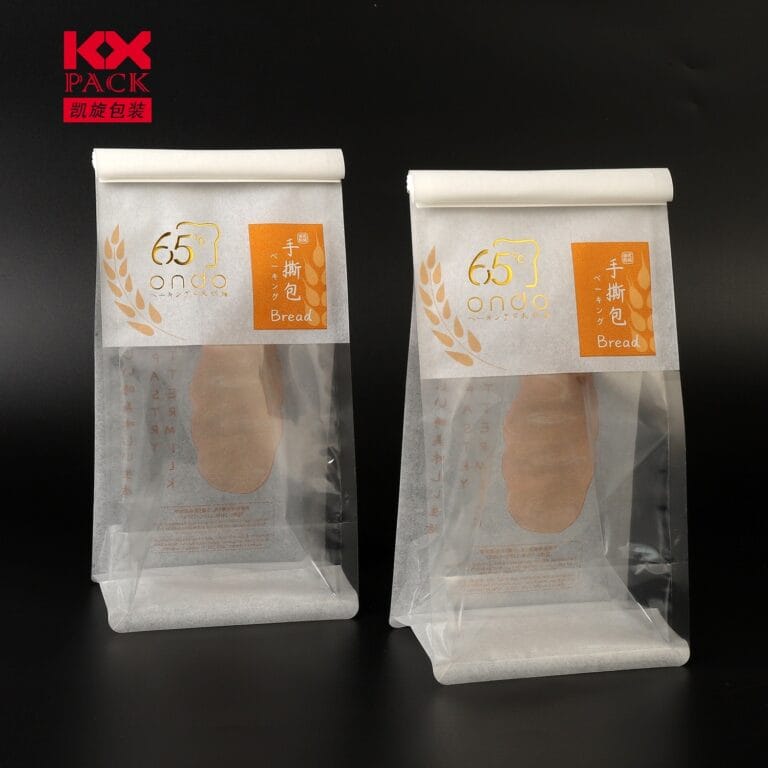
Clear, glossy films or matte finishes with high-resolution printing elevate shelf appeal. Coca-Cola’s “Share a Coke” campaign used customized film rolls to print names on bottles at scale.
Top Applications Across Industries
| Industry | Use Case |
|---|---|
| Maistas & Gėrimas | Wrapping fresh meat, sūris, or baked goods with modified atmosphere packaging (ŽEMĖLAPIS). |
| Elektroninė prekyba | Protecting fragile items (Pvz., Elektronika) with bubble-wrapped film rolls. |
| Farmacijos produktai | Blister packaging for pills, ensuring sterility and child resistance. |
| Žemės ūkis | Sealing hay bales or fertilizer bags to prevent moisture damage. |
Rinkos tendencijos & Ateities perspektyva
- Global Growth: The automatic packaging film market is projected to reach $45.2 milijardu 2032, driven by Asia-Pacific’s booming manufacturing sector.
- Žiedinė ekonomika: Brands are investing in closed-loop recycling systems for film waste. Pavyzdžiui, Dow RecycleReady technologija allows mixed plastics to be recycled into new films.
- IoT Connectivity: Future films may include RFID tags for real-time tracking of inventory and expiration dates.
Challenges to Address
- Initial Investment: High costs of automated machinery (Pvz., 50,000–200,000 per line) deter small businesses.
- Supply Chain Volatility: Raw material shortages (Pvz., resin) can disrupt production.
- Perdirbimo infrastruktūra: Tik 9% of plastic waste is recycled globally, highlighting the need for better collection systems.
Išvada: The Future Is Automated (and Sustainable)
Automatic packaging film rolls are no longer a luxury—they’re a necessity for businesses aiming to stay competitive in a resource-constrained world. By combining speed, tikslumas, ir ekologiškumas, these materials are paving the way for smarter, greener supply chains.
Ready to upgrade? Start by auditing your current packaging process for inefficiencies, then explore vendors likeSandarus oras arbaBerry Global for customized solutions. Your bottom line—and the planet—will thank you! 🌍📦