მოქნილი ფილმების ევოლუცია და გავლენა კვების შეფუთვაში
მოქნილი ფილმები
In the dynamic world of food packaging, მოქნილი ფილმები have emerged as a game-changer, რევოლუციონირება როგორ ხდება პროდუქციის შენარჩუნება, წარმოდგენილი, და ტრანსპორტირება. ინოვაციის შერწყმა მდგრადობასთან, ეს მსუბუქი წონა, ადაპტირებული მასალები ინდუსტრიის შეცვლას ახდენს, ხოლო მზარდი მომხმარებელთა მოთხოვნები მოხერხებულობაზე და ეკო-ცნობიერ გადაწყვეტილებებზე.
რა არის მოქნილი ფილმები?
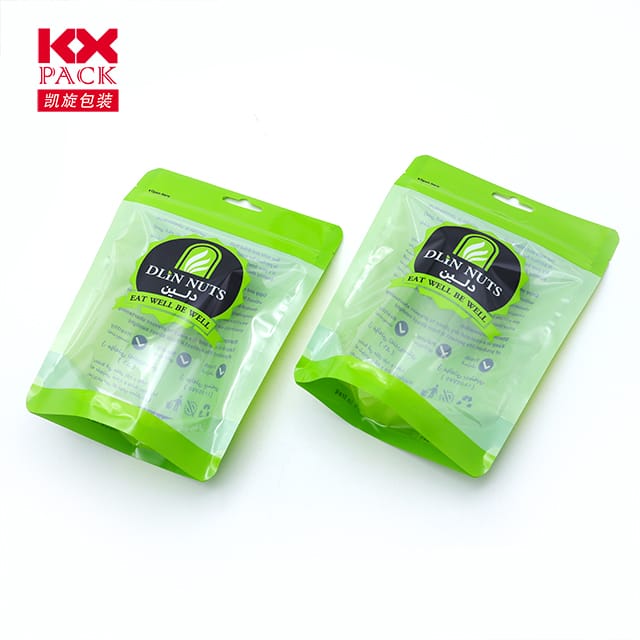
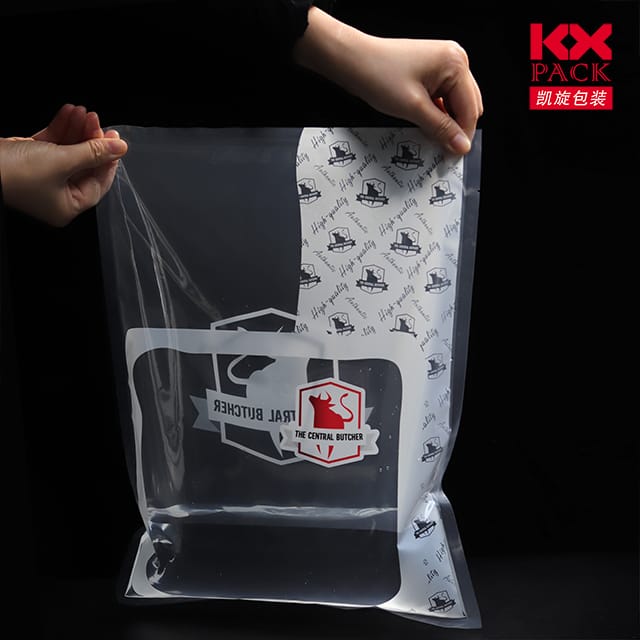
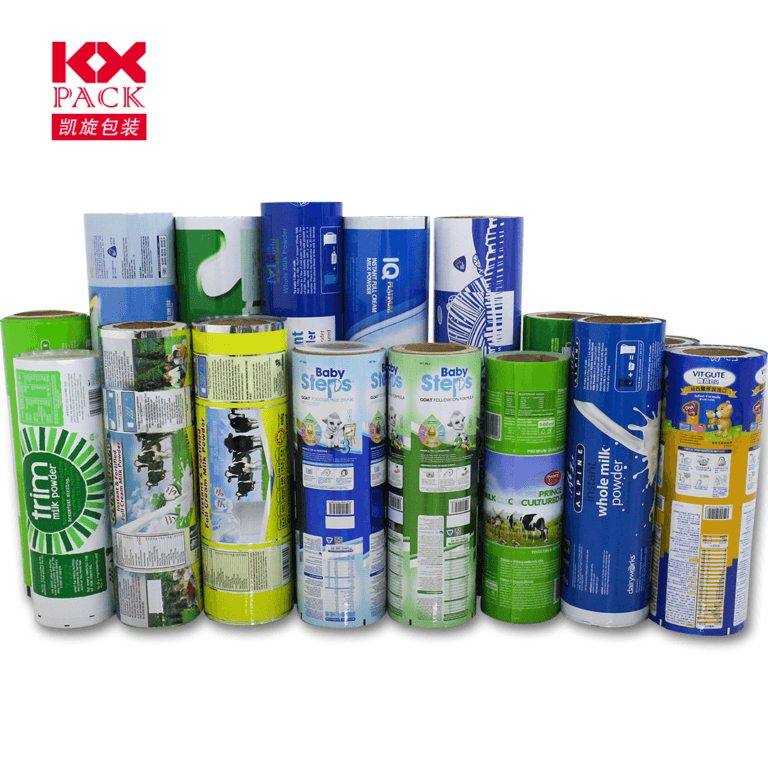
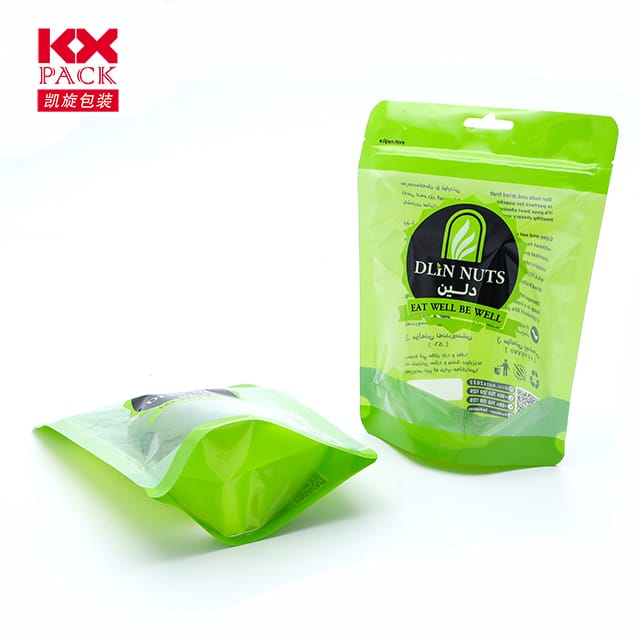
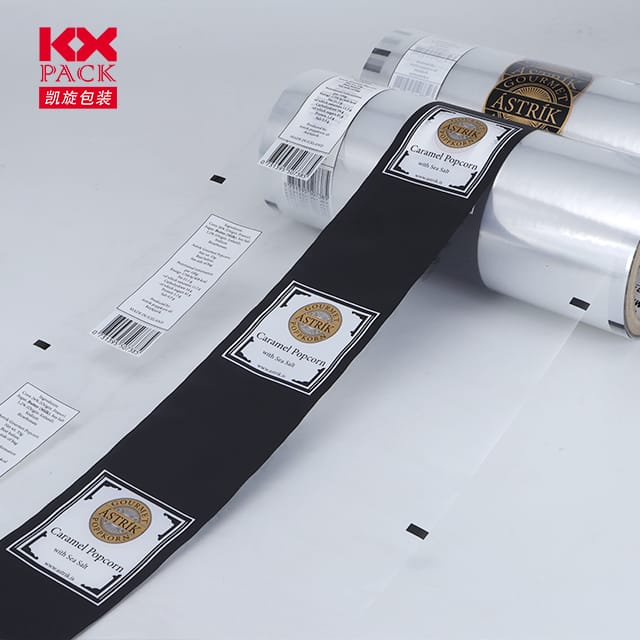
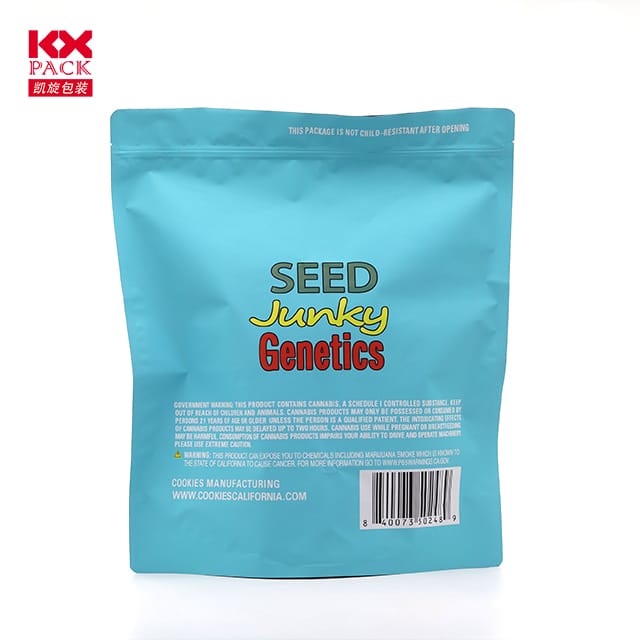
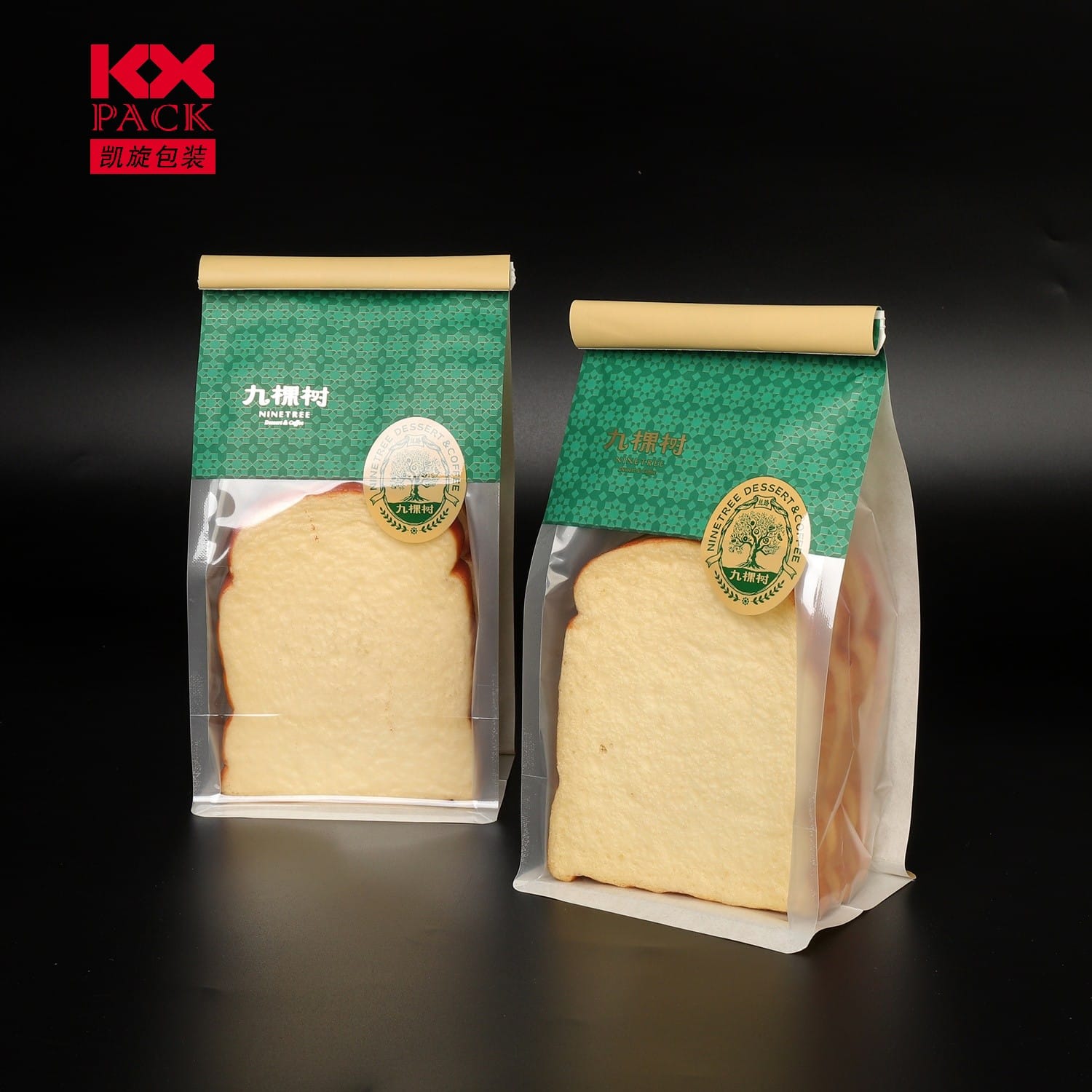
მოქნილი ფილმი თხელია, pliable sheets made from polymers like polyethylene (PE), პოლიპროპილენი (PP), პოლიესტერი (PET), or biodegradable alternatives such as polylactic acid (PLA). Designed to conform to product shapes, they offer versatility unmatched by rigid packaging. Common applications include pouches, ქურთუკები, lids, and bags for snacks, fresh produce, dairy, and ready-to-eat meals.
Key Advantages of Flexible Films
- Enhanced Product Protection
Flexible films create airtight barriers against moisture, ჟანგბადი, და მსუბუქი, extending shelf life and reducing food waste. Advanced multilayer structures can incorporate oxygen scavengers or UV filters for superior preservation. - Sustainability Benefits
Compared to traditional materials, flexible films require fewer resources to produce and transport, lowering carbon footprints. Many are now recyclable or compostable, aligning with global circular economy goals. მაგალითად, Dow’s RecycleReady technology enables recyclable pouches, while companies like TIPA® offer certified compostable films. - Cost-Efficiency and Convenience
Lightweight and space-saving, flexible films reduce storage and shipping costs. Their resealable designs—like zippers or spouts—enhance user experience, catering to on-the-go lifestyles. - Branding and Shelf Appeal
High-definition printing capabilities allow vibrant, customizable designs, helping brands stand out in competitive retail environments.
Challenges and Innovations
მათი სარგებელის მიუხედავად, flexible films face hurdles:
- ინფრასტრუქტურა გადამუშავება: Single-material films are easier to recycle, but multilayer variants (common in high-barrier packaging) remain problematic.
- Material Complexity: Balancing performance with eco-friendliness requires ongoing R&დ.
Innovations Driving Change:
- ბიოდეგრადირებადი პოლიმერები: Materials derived from corn starch or sugarcane are gaining traction.
- ქიმიური გადამუშავება: Breakthroughs like enzymatic degradation promise to recycle mixed-material films.
- ჭკვიანი შეფუთვა: Integration of sensors to monitor freshness or RFID tags for supply chain transparency.
The Future of Flexible Films
The market for flexible food packaging is projected to grow at aCAGR OF 5.2% through 2030 (Grand View Research), fueled by:
- Rising e-commerce: Demand for durable, lightweight shipping materials.
- Health-Conscious Consumers: Preferences for hygienic, single-serve portions.
- მარეგულირებელი ზეწოლა: Stricter bans on single-use plastics are accelerating adoption of sustainable alternatives.
დასკვნა
Flexible films represent a bridge between functionality and environmental responsibility. როგორც ტექნოლოგიის წინსვლა, their role in reducing waste, სურსათის უვნებლობის გაძლიერება, and delighting consumers will only expand. Brands that embrace these materials today are not just staying ahead—they’re contributing to a healthier planet.
ზარის მოქმედებისკენ:
Are you ready to explore flexible packaging solutions for your brand? Share your thoughts or questions in the comments below—let’s discuss how innovation can meet sustainability in the food industry!
Word count: ~550
საკვანძო სიტყვები: მოქნილი ფილმები, food packaging, მდგრადობა, სიახლე, გადამუშავება