食品ラップフィルムおよび食品包装フィルム: 鮮度に関する究極のガイド, 安全性, そして持続可能性
風味を保つということに関して言えば、, テクスチャー, あなたの好きな食事の栄養価と, 私たちのキッチンとサプライチェーンの縁の下の力持ちは、 フードラップフィルム そして 食品包装フィルム. あなたが家庭料理をしていて、昨晩のラザニアが乾かないようにしようとしている場合でも、, または全国にデリケートな農産物を出荷する商業食品メーカー, 適切な素材を選択することが最も重要です.
でも正直に言いましょう: 軟包装の世界は信じられないほど混乱する可能性があります. PVC などの用語で, PE, バリア特性, 生分解性が飛び交う, 実際に何が機能するのかどうやってわかりますか?
この包括的なガイドでは、, あなたが知っておくべきことをすべて解き明かします フードラップフィルム ソリューション, ~の最新のイノベーションを探る 食品包装フィルム, 情報を得るのに役立ちます, 環境に配慮した選択.
食品ラップフィルムがキッチンの必需品である理由
私たちは皆、食べかけのアボカドを見つめたことがあるでしょう。, 茶色くなるのをどうしたら止められるか迷っています, 不味いドロドロ. ここが高品質なところです フードラップフィルム ステップイン.
その核心, ラップは 2 つのことを非常にうまく行うように設計されています: 表面に付着して酸素を遮断する.
ストレッチの科学
歴史的に, ポリ塩化ビニル (PVC) 驚くべき伸縮性と優れた粘着性により、家庭用ラップの頼りになる素材でした. しかし, 健康と環境への関心が高まるにつれて, 業界はポリエチレンに大きく移行しました (PE).
現代の体育 フードラップフィルム 非毒性を提供します, 食品に有害な化学物質を浸出させることなく水分を安全に閉じ込めるBPAフリーの代替品. タイトな雰囲気を生み出します, 酸化プロセスを大幅に遅らせる微小環境, 果物を保管する, 野菜, タンパク質を何日も新鮮に保ちます.
ゲームを進化させる: 業務用食品包装フィルム
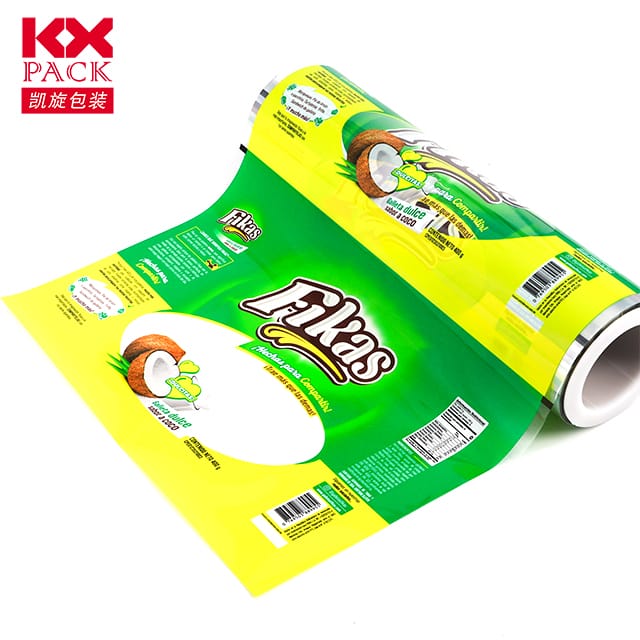
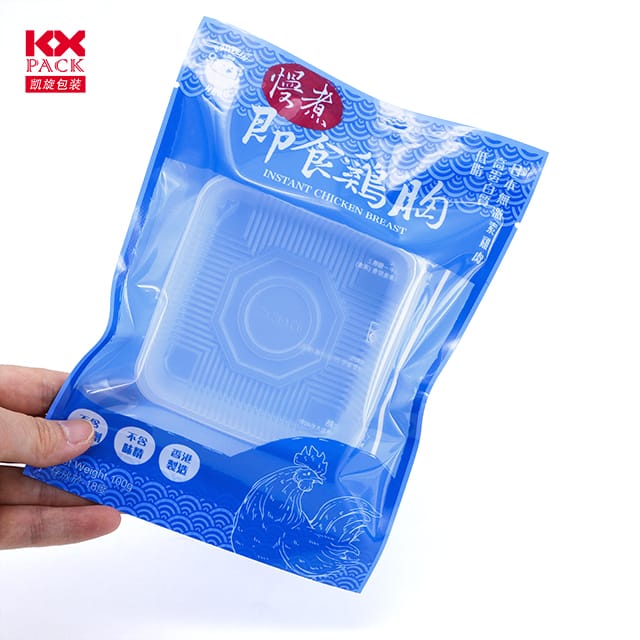
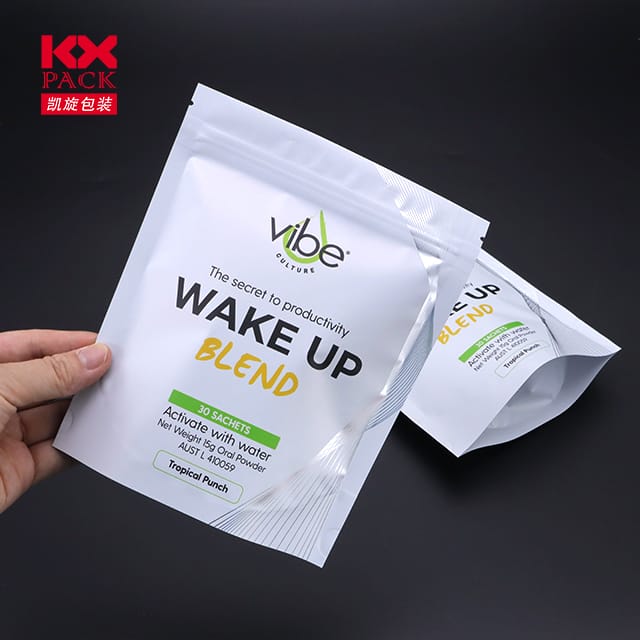
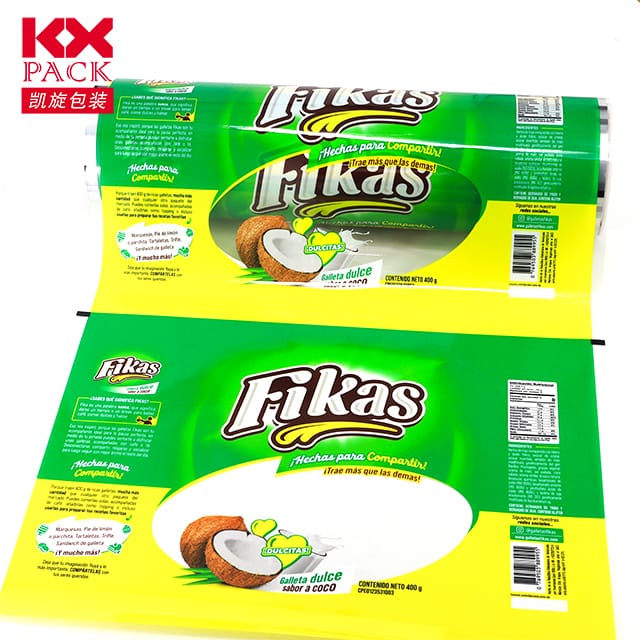
標準的なラップは家庭規模での短期保存に最適ですが、, 世界の食品業界は、はるかに堅牢なものを求めています. 産業に参入する 食品包装フィルム. これらは一般的な食料品店のラップとは異なります; 彼らは高度に設計されています, 保存期間を数日から数か月に延長するために設計された多層技術の驚異.
1. 修正された雰囲気のパッケージ (地図)
袋詰めしたサラダ菜がどうして何週間も完璧にシャキシャキした状態を保てるのか不思議に思ったことはありますか?? その秘密は専門性にあります 食品包装フィルム MAPで使用される. これらのフィルムは、特定のガス透過率を考慮して設計されています。. 酸素の正確なバランスを可能にします, 二酸化炭素, パッケージ内には窒素が存在します, 食品の老化プロセスを効果的に活用する “寝ること。”
2. ハイバリア映画
肉用, チーズ, および加工食品, 湿気と酸素は最大の敵です. 高度な 食品包装フィルム 複数の層を利用し、多くの場合ナイロンを組み合わせます, EVOH, およびポリエチレン - 侵入不可能なバリアを作成します. 冷凍焼けを防ぐことができます, 香りを閉じ込める, 輸送中の相互汚染のリスクを排除します.

緑の革命: 環境に優しい包装ソリューション
部屋の中の象に話しかけてみましょう: プラスチック廃棄物. 従来の使い捨てプラスチックへの依存 フードラップフィルム 間違いなく環境負荷の一因となっている. 幸いなことに, 包装業界は大規模なグリーン変革を迎えています.
今日の消費者は持続可能性を求めています, そしてメーカーは画期的なイノベーションで挑戦を始めています:
- 人民解放軍 (ポリラトン酸) 映画: コーンスターチやサトウキビなどの再生可能資源由来, これらのフィルムは工業条件下で完全に堆肥化可能です.
- セルロースベースのラップ: 木材パルプから作られています, これらは、自然に生分解性であると同時に、優れた透明性とバリア特性を提供します。.
- リサイクル可能なモノマテリアル: 伝統的に, 多層フィルムは層を分離できないためリサイクルが不可能でした. 新しいエンジニアリングにより多層化が可能 食品包装フィルム 完全に同じポリマーファミリーから作られています (オールポリエチレンのような), それらを作る 100% リサイクル可能.
環境に優しい代替品を選択しても、パフォーマンスを犠牲にする必要はもうありません. 最新のバイオベースのフィルムも同様の粘着力を提供します, 明瞭さ, 石油ベースの祖先としての強さ.
ニーズに合ったフィルムの選び方
市場には非常に多くのオプションが用意されているため、, 適切な素材を選択するのは大変なことだと感じるかもしれません. 決定に役立つ簡単な内訳は次のとおりです:
| 応用 | 推奨素材 | 主な利点 |
| 毎日の残り物 & 国内使用 | ポリエチレン (PE) フードラップフィルム | 安全, 化学物質不使用, 使いやすい |
| 新鮮な肉 & 家禽 (コマーシャル) | PVC またはハイバリア共押出フィルム | 優れた酸素透過制御, プレミアムな透明度 |
| 冷凍食品 | ラミネート加工 食品包装フィルム (ペット/PE) | 高い耐突刺性, 冷凍焼けを防ぐ |
| 環境に配慮したブランド | 堆肥化可能な PLA またはモノマテリアル PE | 二酸化炭素排出量を削減, グリーン消費者にアピール |
食品を安全に保管するためのベストプラクティス
あなたの能力を最大限に引き出すには フードラップフィルム, これらの実践的なヒントを念頭に置いてください:
- 高温を避ける: 映画に明示的にラベルが付けられていない限り、 “電子レンジ対応,” 加熱中は油っこいものや糖分の多いものに触れないようにする, 高温になるとフィルムが溶けてしまう可能性があるので、.
- しっかりと密閉する: 容器を包むとき, 端が乾いていることを確認してください. ドライリムにより、 フードラップフィルム 適切な気密接着を形成するために.
- 正しく保管する: 未使用のフィルムロールは冷暗所に保管してください, 粘着力を維持するため、直射日光を避けて乾燥した場所に保管してください。.
最終的な考え: 食品保存の未来
の進化 フードラップフィルム そしてコマーシャル 食品包装フィルム 食品の安全性と環境責任のどちらかを選択する必要がないことを証明しています. テクノロジーが進歩するにつれて, 食品が腐ると色が変わるフィルムなど、さらにスマートなパッケージングが期待できます。, または海藻タンパク質から作られた食用ラップ.
食品を保護するために使用されている素材を理解することで, 私たちは食品廃棄物を減らすことができます, お金を節約する, 私たちの地球を尊重する選択をしましょう.
持続可能な包装の将来についてどう思いますか? もう堆肥化可能なラップに切り替えましたか? 以下のコメント欄でお知らせください!