フードフィルムラップ: キッチンの効率と持続可能性の名のないヒーロー
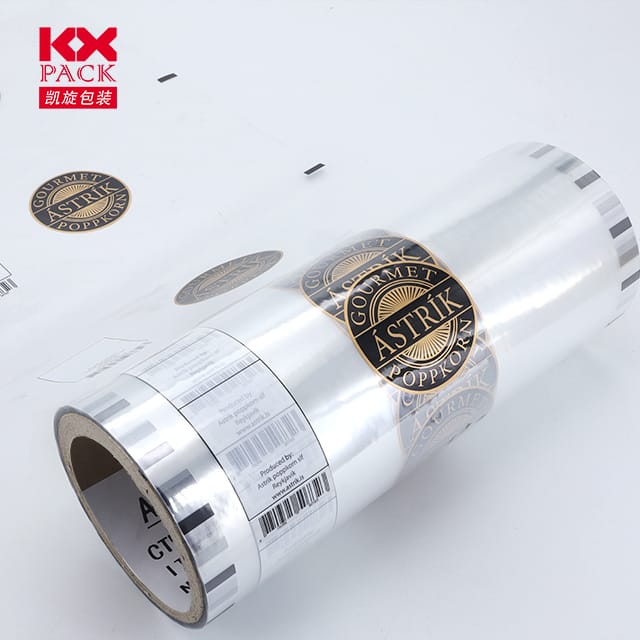
フードフィルムラップ
世界中のキッチンで, 透明, しがみつくヒーローは静かに新鮮さを維持します, 無駄を防ぎます, そして、現代の持続可能性の需要に適応します: フードフィルムラップ (ラップまたはクリングフィルムとしても知られています). この謙虚なキッチンの定番は、実用性と環境責任のバランスをとるために、利便性のツールから革新と論争の象徴に進化しました. フードフィルムラップの物語を解きましょう, 日常生活におけるその役割, そして、環境に優しい世界での未来.
起源: 軍事技術から台所の引き出しまで
フードフィルムラップの旅は、1930年代にセロハンの生産中のラボ事故により、ポリビニリデン塩化物の発見につながったときに始まりました。 (PVDC), 伸縮性, 耐湿性材料. 最初は軍事包装に使用されていました, it entered civilian kitchens post-WWII asSaran Wrap, revolutionizing food storage. Its ability to create an airtight seal against containers and surfaces made it a must-have for busy households.
時間とともに, manufacturers introduced alternatives like polyethylene (PE) and biodegradable films, catering to eco-conscious consumers. 今日, food film wrap is no longer just a single-use plastic—it’s a category of solutions designed for versatility and sustainability.
愛される理由: The Practical Perks
- Freshness Preservation: By blocking air and moisture, food film wrap extends the shelf life of leftovers, 果物, とチーズ, 食品廃棄物の削減 (and grocery bills).
- 衛生ヒーロー: It acts as a barrier against bacteria and odors, keeping refrigerators clean and cross-contamination at bay.
- Versatility Unmatched: From wrapping sandwiches for lunchboxes to covering dough during proofing, its clingy nature molds to any shape.
- Space-Saving: Unlike bulky containers, film wrap flattens easily, optimizing fridge and pantry space.
環境のジレンマ: 便利さと. Planet
その利点にもかかわらず, traditional food film wrap has a dark side. Most varieties are non-recyclable and take centuries to decompose, contributing to plastic pollution in oceans and landfills. 使い捨てプラスチック, including film wrap, face growing scrutiny as governments and consumers demand eco-friendly alternatives.
This has sparked innovation:
- 生分解性フィルム: コーンスターチなどの植物由来の材料から作られています, these break down in compost within months.
- Reusable Options: シリコンフードカバー, 蜜蝋ラップ, and fabric bowl covers offer durable, washable alternatives.
- 食用映画: Researchers are developing edible coatings from seaweed or starch to wrap produce directly.
未来: Smart, 持続可能な, and Circular
The next generation of food film wrap aims to merge functionality with planetary health:
- スマート映画: Embedded with sensors to detect food spoilage or release natural preservatives.
- 円形のデザイン: Films made from recycled plastics or designed for easy recycling.
- Zero-Waste Kitchens: Brands are promoting “refill stations” for bulk film rolls to cut packaging waste.
How to Make Smarter Choices Today
While the industry adapts, consumers can take action:
- 再利用可能なものを選ぶ: Invest in silicone lids or beeswax wraps for daily use.
- リサイクル権: Check local guidelines—some areas accept clean, dry PE film at grocery drop-off points.
- 使用量を減らす: Store leftovers in glass containers or mason jars instead.
- Support Innovation: Choose brands experimenting with biodegradable or compostable options.
結論: A Tool in Transition
Food film wrap’s story mirrors our broader struggle with plastic. Once a symbol of modern convenience, it now represents the urgent need for sustainable innovation. While alternatives gain traction, traditional film wrap still plays a role in reducing food waste—a critical step in fighting climate change.
The key lies in mindful consumption: using film wrap only when necessary, opting for eco-friendly versions, and advocating for systemic change. 結局, preserving food shouldn’t come at the cost of preserving our planet.
What’s your go-to food storage hack? Share your tips (or favorite reusable wrap brands) in the comments below!
キーワード: フードフィルムラップ, sustainable kitchen, plastic waste, biodegradable cling film, food preservation