柔軟なフィルムパッケージの進化と影響: 持続可能な革命(6)
柔軟な映画
持続可能性が求められる時代に, 利便性, イノベーションドライブパッケージソリューション, flexible films packaging has emerged as a cornerstone of modern industry. 食品や医薬品から家電まで, これらの適応可能な材料は、製品の保護方法を再構築しています, 輸送, そして提示されました. ダイナミクスを探りましょう, トレンド, そして、このダイナミックセクターの将来の可能性.
What Are Flexible Films Packaging?
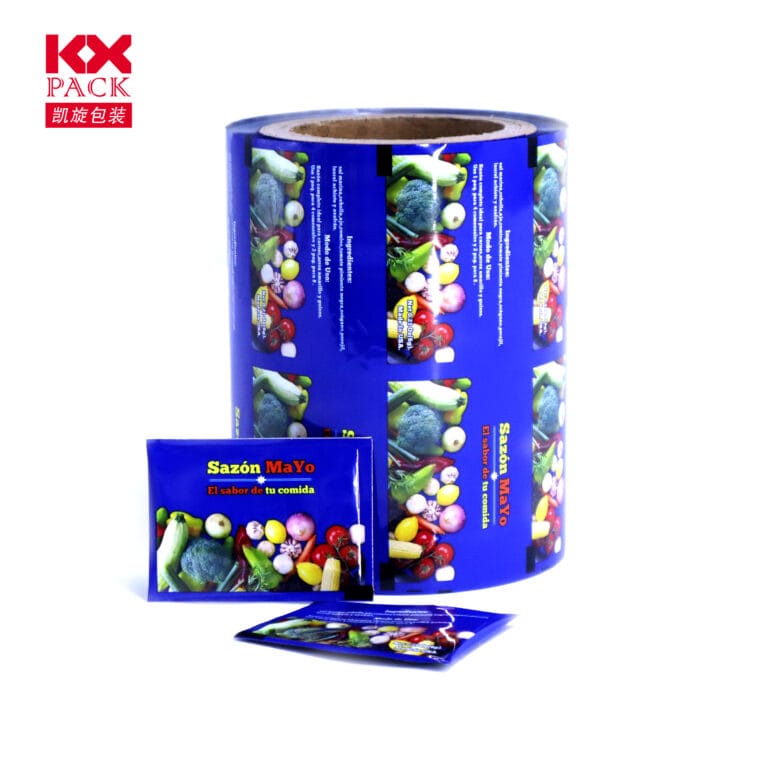
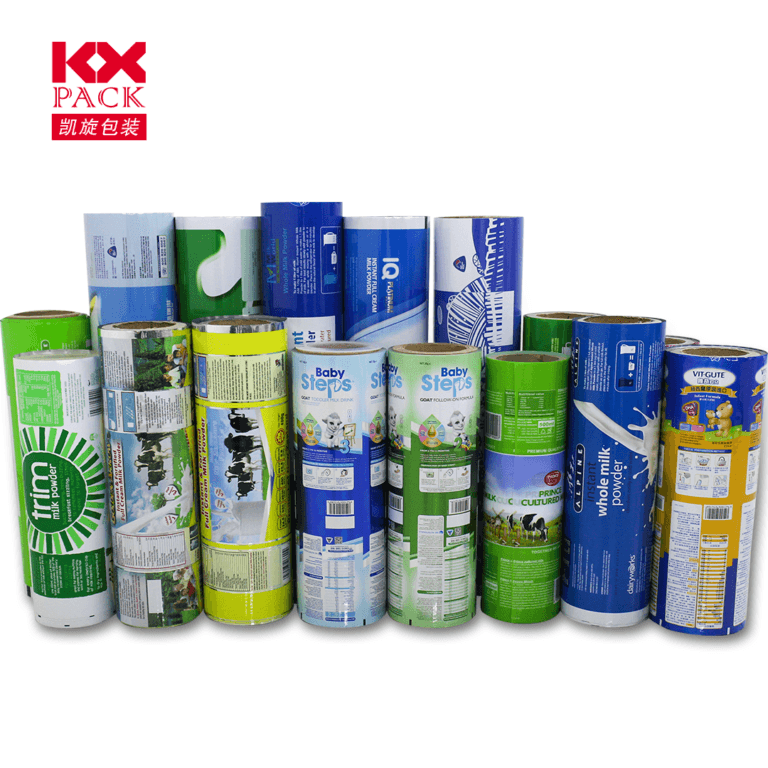
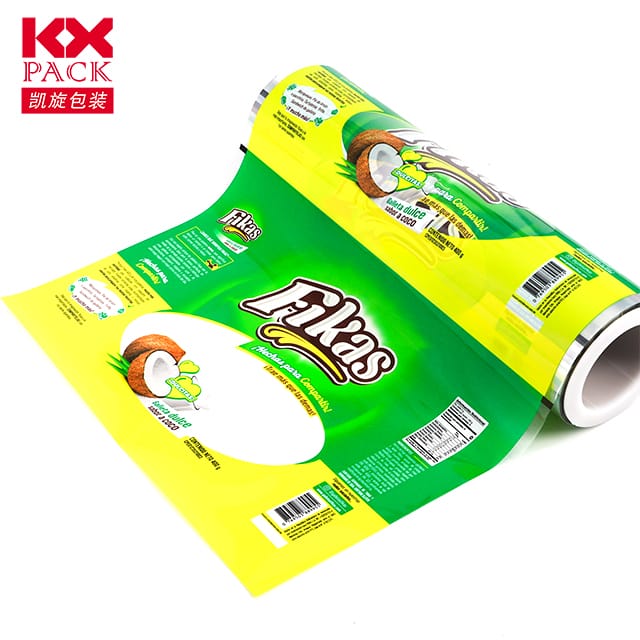
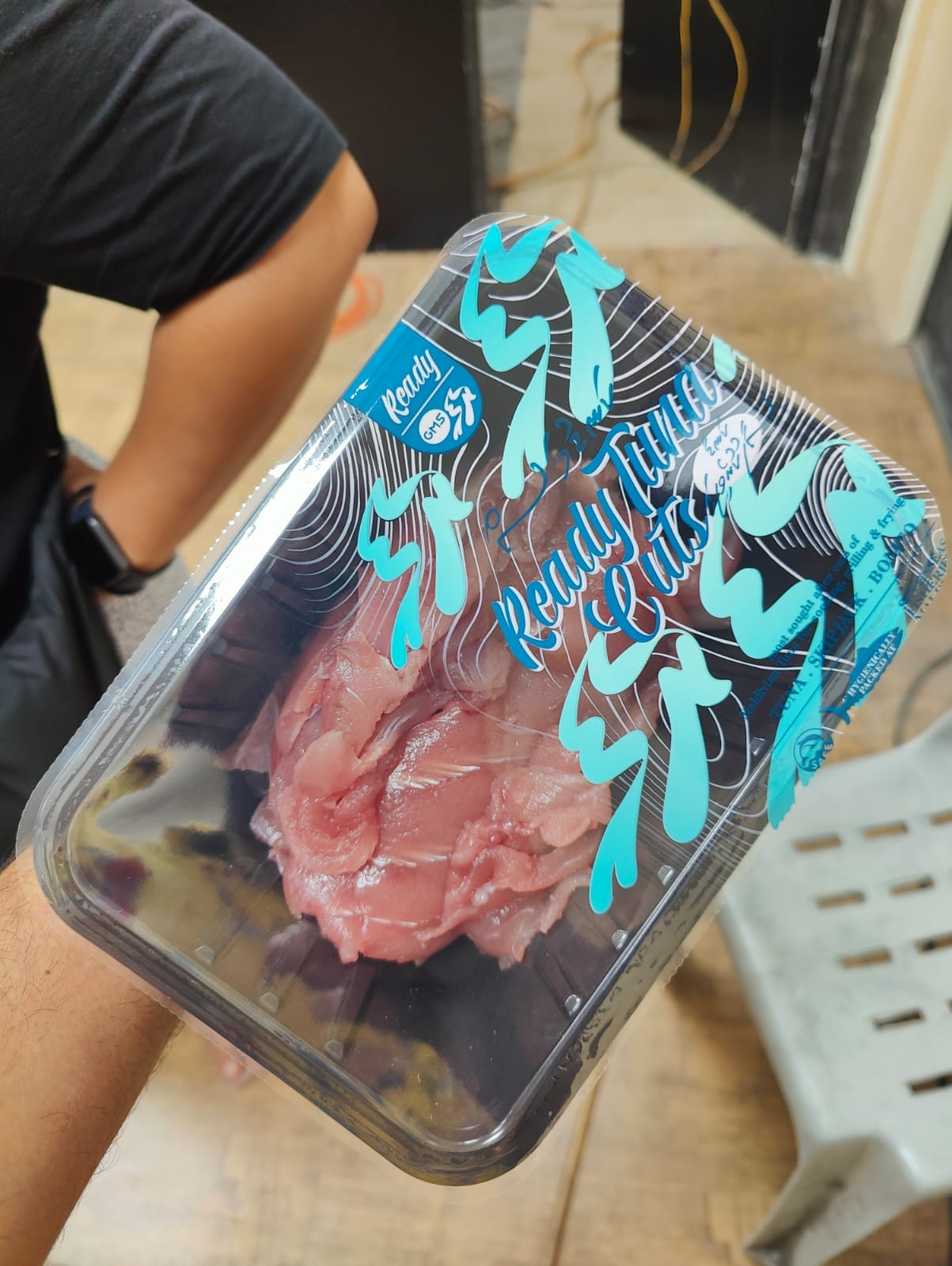
Flexible films packaging refers to lightweight, non-rigid materials used to encase products. Unlike traditional rigid containers, these films—often composed of polymers like polyethylene (PE), ポリプロピレン (PP), or multi-layer composites—conform to the shape of their contents, minimizing waste and optimizing space.
Key characteristics include:
- 軽量 & 耐久性のある: Reduces shipping costs and carbon footprints.
- バリア特性: 湿気から守ります, 酸素, そして光, 貯蔵寿命を延ばします.
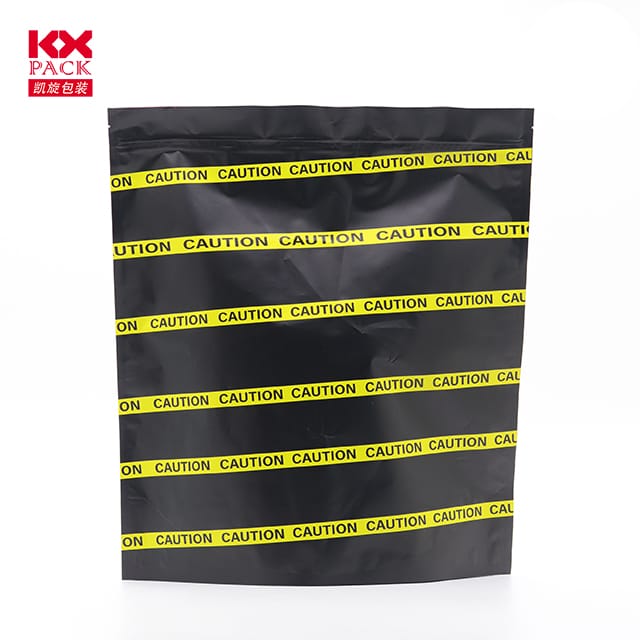
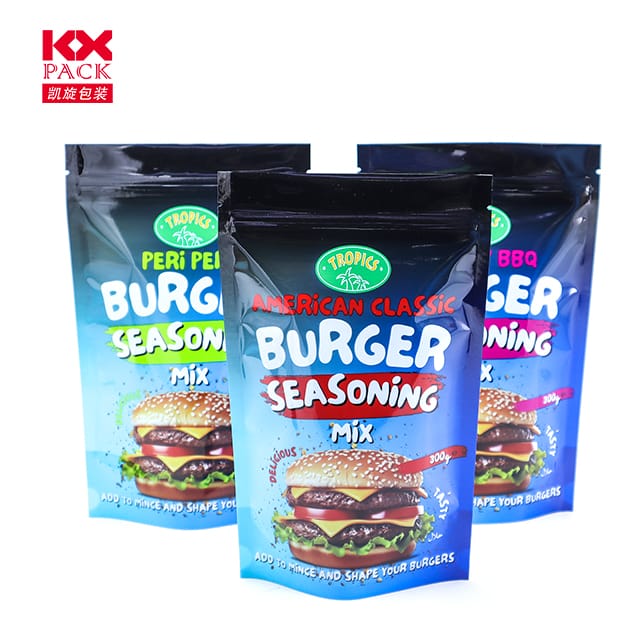
- カスタマイズ性: Printable, sealable, and adaptable to diverse formats (ポーチ, バッグ, wraps).
Market Growth & Key Drivers
The global flexible packaging market was valued at米ドル 210.62 10億インチ 2023 に達すると予測されています米ドル 238.91 10億 2029, のcagrで成長します2.12%. Key drivers include:
- Shift from Rigid to Flexible Solutions: Brands prioritize cost-efficiency and sustainability, favoring flexible films over heavier, less eco-friendly alternatives.
- E-commerce Boom: Online retail demands lightweight, damage-resistant packaging for safe deliveries.
- 健康管理 & Food Demand: Pharmaceuticals and perishable goods require sterile, airtight packaging, fueling innovation in high-barrier films.
Innovations in Material Science
Recent advancements in flexible film technology focus onsustainability and performance:
- モノマテリアル構造: のような企業 Huhtamaki are pioneering single-polymer films (例えば。, PEまたはPP) リサイクルを簡素化するために.
- 生分解性フィルム: Made from renewable resources (例えば。, 人民解放軍), these reduce plastic waste.
- High-Barrier Coatings: Advanced polymers like ポリビニリデン塩化物 (PVDC) or ethylene vinyl alcohol (EVOH) enhance shelf life without compromising recyclability.
Regional Dynamics
Asia-Pacific dominates the market, accounting for58% of global volume in 2023, によって駆動されます:
- Rapid Urbanization: Rising middle-class populations in China and India boost demand for packaged goods.
- E-commerce Expansion: Online shopping platforms like Alibaba and Flipkart rely on flexible films for efficient logistics.
- 規制上の推進: Governments mandate eco-friendly packaging, accelerating adoption of recyclable/compostable films.
課題 & 今後の展望
成長にもかかわらず, the sector faces hurdles:
- Recycling Complexity: Multi-layer films are hard to separate, complicating circular economy efforts.
- Raw Material Volatility: Fluctuating polymer prices impact margins.
でも, the future looks promising:
- スマートなパッケージング: Films embedded with sensors for freshness tracking or anti-counterfeiting.
- 円形のデザイン: Modular, reusable packaging systems that minimize waste.
- Collaborative Innovation: Partnerships between material scientists, brands, and recyclers to close the loop.
結論
Flexible films packaging is more than a convenience—it’s a strategic imperative for a sustainable future. As brands and consumers demand smarter, より環境に優しいソリューション, this sector will continue to evolve, blending cutting-edge science with practical design. The road ahead? A balance of innovation, 責任, and adaptability to meet the needs of a changing world.
Stay tuned for more insights on packaging trends—where science meets sustainability! 🌍📦✨
情報源: QYリサーチ, MarketsandMarkets, GlobeNewswire, Packaging World