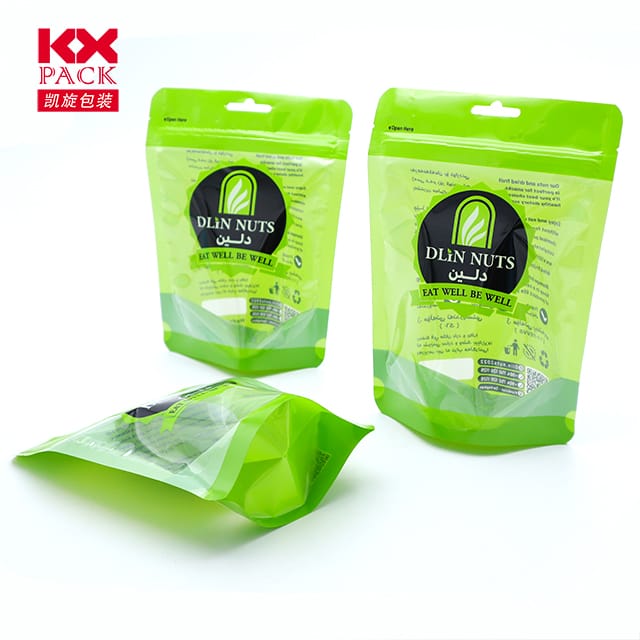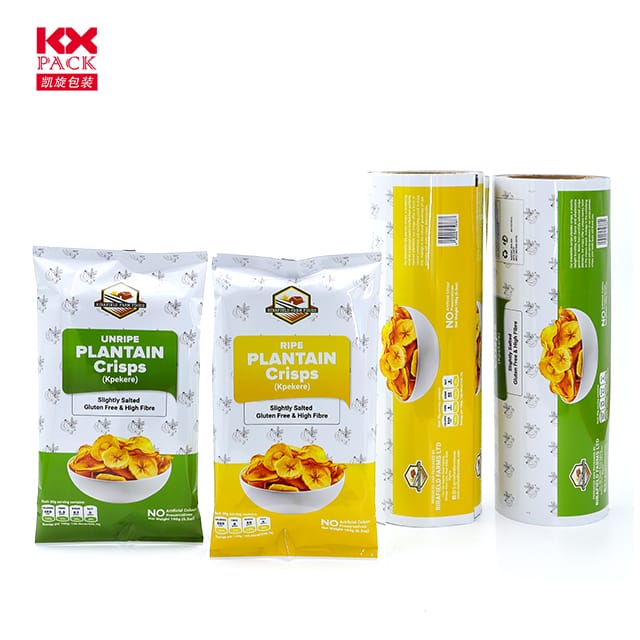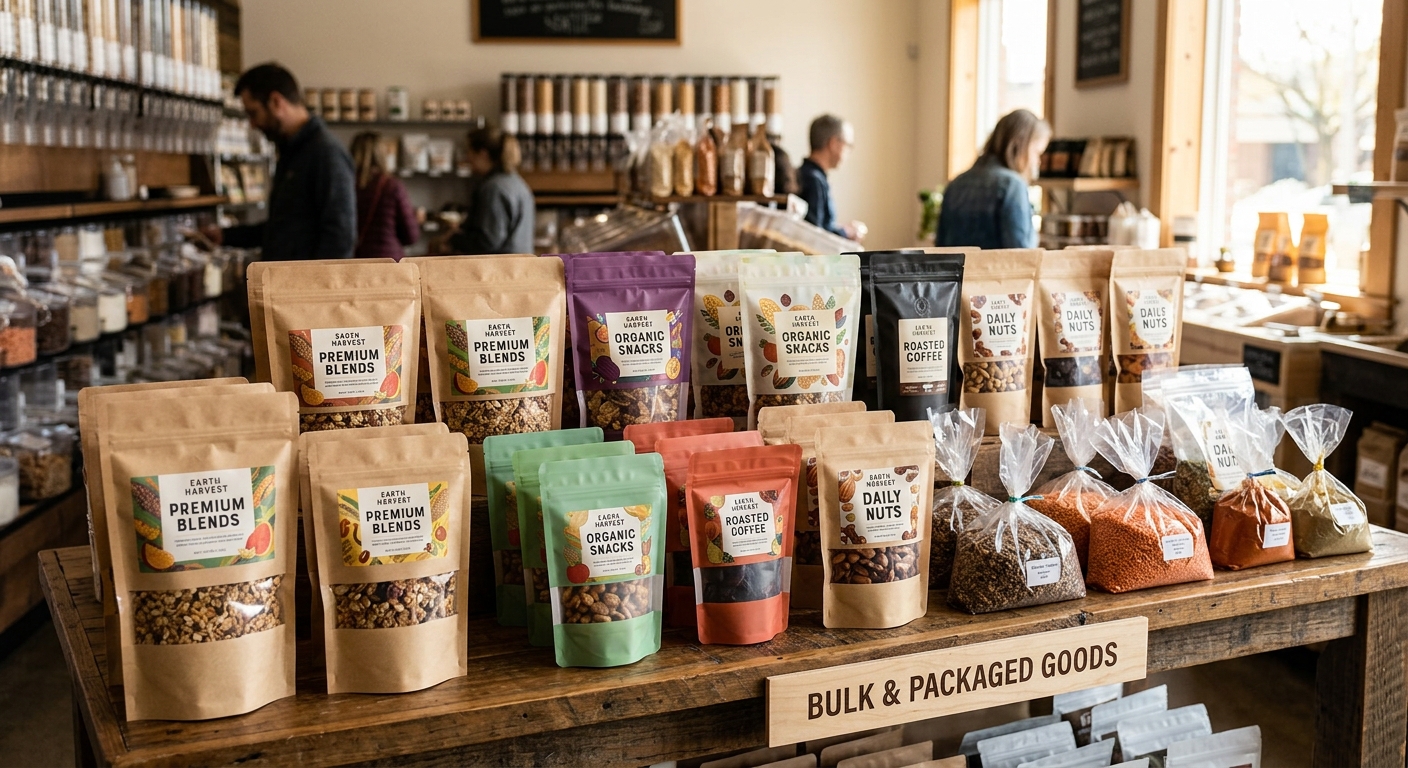
Food Packaging Bags

How Custom Flexible Packaging Extends Shelf Life for Commercial Food Packaging Bags

Custom flexible packaging offers food producers one of the most effective levers for extending product shelf life. When designing food packaging bags for commercial supply chains, a off-the-shelf pouch rarely cuts it. Every food product—whether it’s organic coffee, dehydrated fruit, beef jerky, or frozen seafood—has a unique decay profile driven by oxygen exposure, moisture gain, 紫外線, and mechanical stress.

Premature food spoilage isn’t just a waste issue; it damages brand reputation, shrinks distribution radius, and forces retailers to discount inventory. Customizing film structures, seal integrity, and barrier properties directly targets the core causes of degradation, allowing commercial food brands to maintain peak freshness for months—or even years—longer.

The Four Main Drivers of Food Degradation

Before looking at how modern pouches are engineered, it helps to understand what actually causes food to go bad inside commercial food packaging bags:

  1. 酸化: Oxygen reacts with fats and oils, causing rancidity in nuts, chips, そして焼き菓子. It also degrades vitamins and alters natural flavor profiles.
  2. Moisture Migration: Dry goods (crisps, 粉末, crackers) lose crispness when they absorb moisture. 逆に, moist goods (ドライフルーツ, soft cookies) turn hard and unpalatable when they lose moisture.
  3. Light Exposure: Ultraviolet and visible light act as catalysts for photo-oxidation, fading natural colors and breaking down light-sensitive nutrients.
  4. Microbial Growth: Bacteria, 型, and yeast thrive when oxygen and moisture reach critical thresholds inside the bag.

Standard off-the-shelf bags use generic material formulations that treat all food items the same. Custom flexible packaging, 一方で, tailors the packaging material to combat the exact drivers of decay for a specific product.

1. Precision Barrier Engineering: OTR and WVTR Optimization

The foundation of extended shelf life lies in controlling two critical metrics: Oxygen Transmission Rate (OTR) そして Water Vapor Transmission Rate (WVTR).

Flexible packaging isn’t just a single sheet of plastic. It is an engineered, multi-layer laminate where each layer performs a dedicated role. By selecting specific polymers and foil layers, manufacturers customize the exact level of protection required.

  • エチレンビニルアルコール (EVOH): An exceptional gas barrier that blocks oxygen, nitrogen, and carbon dioxide without requiring metallic layers. It keeps foods sensitive to oxidation safe while maintaining pouch transparency if desired.
  • アルミホイル & Metallized PET (VMPET): Provide near-zero OTR and WVTR values, acting as complete light and gas shields. Ideal for sensitive dry foods like infant formula, specialty coffee, and military rations.
  • Oriented Polypropylene (OPP) & ポリエチレン (PE): Provide moisture resistance and internal seal strength to ensure moisture stays exactly where it belongs—either inside or outside the pouch.

Matching the film combination to your food’s specific chemical makeup prevents over-engineering (which wastes money) or under-engineering (which causes early spoilage).

Custom flexible packaging

2. Integrated Active Packaging Technologies

Modern custom food packaging bags do more than just passively hold food; they actively manage the internal atmosphere of the package.

修正された雰囲気のパッケージ (地図)

During the filling process, custom packaging lines flush the bag interior with an inert gas like nitrogen or carbon dioxide, displacing oxygen down to less than 1%. Flexible pouches designed for MAP must feature high gas-retention barriers so the protective atmosphere doesn’t leak out over time.

Degasssing Valves

Products like freshly roasted coffee continually emit carbon dioxide. Without a way for this gas to escape, the pouch will bloat and burst. A custom-integrated one-way degassing valve lets excess gas escape without allowing atmospheric oxygen or moisture back into the pouch.

Scavengers and Absorbers

Custom pouch structures can incorporate oxygen-absorbing sachets or active film linings that actively capture residual oxygen left behind during sealing.

3. Hermetic Seal Integrity and Structural Durability

A high-barrier film is useless if air leaks through a weak seam. Micro-perforations caused by flexing, drop impacts, or poor heat sealing are major causes of hidden spoilage during transit.

Custom flexible packaging addresses seal integrity through:

  • Tailored Sealant Resins: Choosing inner layers (like Linear Low-Density Polyethylene or Cast Polypropylene) that bond perfectly at specific sealing temperatures and withstand grease, ほこり, or acid contamination during filling.
  • Puncture & Flex-Crack Resistance: Sharp-edged foods like granola, dried pasta, or bone-in meats can easily puncture basic bags. Tailored laminates combine tough nylon (PA) layers to absorb mechanical shocks without pinholing.
  • Leak-Proof Resealable Features: High-grade press-to-close zippers, slider zippers, or tear notches ensure consumers can create an airtight seal after opening, extending product freshness at home.

4. Headspace Reduction and Volume Optimization

Excess air left inside a bag acts as a reservoir for moisture and oxygen. Pre-formed stock bags often force brands into using oversized pouches, leaving too muchheadspaceabove the food line.

Custom-sized food packaging bags match the exact dimensions and fill-volume of your product. By minimizing empty internal space, you reduce the total volume of trapped oxygen, instantly slowing down degradation.

さらに, snug, custom-contoured pouches prevent food from rattling around during shipment, reducing crumb formation and product breakage.

Comparing Stock vs. Custom Packaging for Commercial Food Bags

特徴Generic Stock BagsCustom Flexible Packaging
Barrier TailoringOne-size-fits-all (standard PET/PE)Engineered OTR/WVTR for specific food chemistry
SizingFixed, generic dimensionsPrecise fit to minimize headspace air
Gassing / MAP SupportBasic gas retentionHigh-retention films + specialized valve integration
耐突き刺し性Standard gauge plasticReinforced PA/Nylon layers tailored to food texture
Shelf Life ImpactStandard (Short-to-Medium)Extended (up to 2–3x longer baseline freshness)

Long-Term Commercial Benefits for Food Brands

Investing in custom flexible packaging directly strengthens your bottom line:

  • Expanded Geographic Distribution: Longer shelf life gives your logistics team the buffer needed to ship products across country or export internationally without fear of spoilage.
  • Reduced Retail Returns: Fewer expired batches mean fewer chargebacks, markdowns, and disposed inventory at the supermarket level.
  • Enhanced Brand Perception: Customers judge quality with their senses. Food that tastes fresh, smells rich, and retains its original texture months after production builds long-term brand loyalty.

Customizing your commercial food packaging bags moves packaging from a basic container expense into an active quality control strategy. By tailoring barriers, structural strength, and sizing around your specific product, you lock in freshness and lock out the primary causes of food waste.

類似の投稿