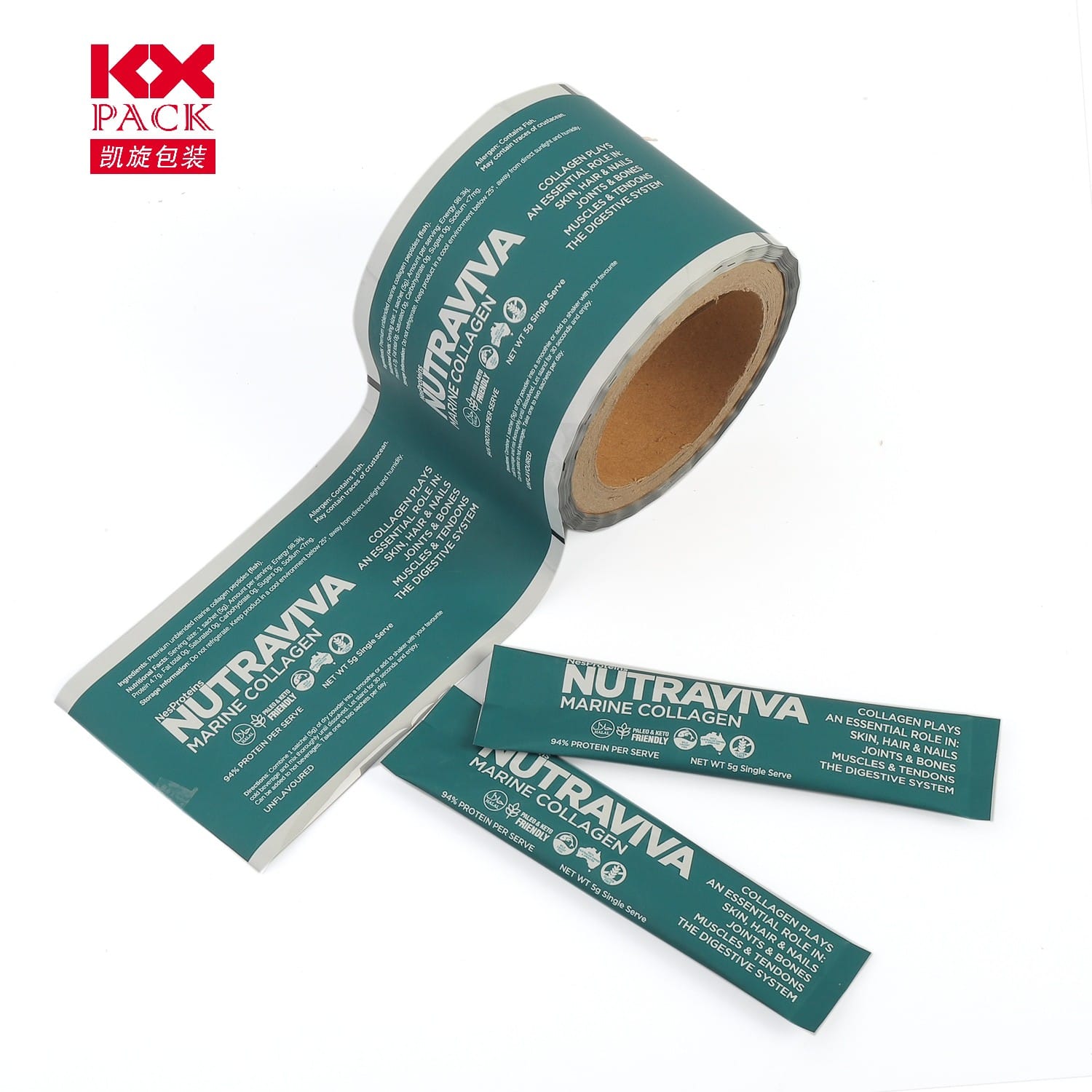
La Versatilità e l'Innovazione dei Film Sigillanti in Plastica: Dal laboratorio alla vita quotidiana
Sigillando il film in plastica
Nel mondo moderno, Sigillando il film in plastica has quietly become an indispensable component across industries, salvaguardando tutto, dai campioni di laboratorio ai tuoi snack preferiti. Questo materiale specializzato, progettato per creare tenuta ermetica, barriere resistenti all'umidità, si sta evolvendo rapidamente per soddisfare le esigenze di sostenibilità e i progressi tecnologici. Esploriamo le sue diverse applicazioni, tendenze del mercato, e innovazioni all'avanguardia.
1. Applicazioni di laboratorio: Protecting Scientific Integrity
In genomics, proteomica, e coltura cellulare, Sigillando il film in plastica is a lifeline for preserving sample integrity. Ad esempio:
- Sigillatura della micropiastra: Films like Parafilm®, a stretchable blend of hydrocarbon wax and polyolefin, are used to seal microplates and petri dishes. Suo 200% elongation property allows it to conform to irregular shapes, preventing contamination and evaporation during long-term storage.
- PCR and Biotech Experiments: The film’s self-adhering nature ensures sterile conditions, critical for accurate DNA amplification and reagent stability.
Approfondimento del mercato: The laboratory segment is driven by the need for high-barrier materials that resist chemical degradation, a trend fueled by rising R&D investments in life sciences.
2. Imballaggio alimentare: Freshness Meets Sustainability
The food industry dominatesSigillando il film in plastica usage, with applications ranging from snack bags to fresh produce packaging:
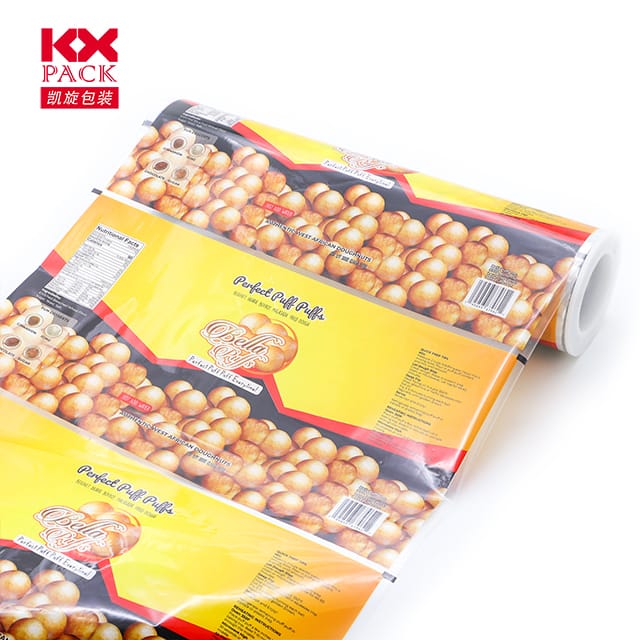
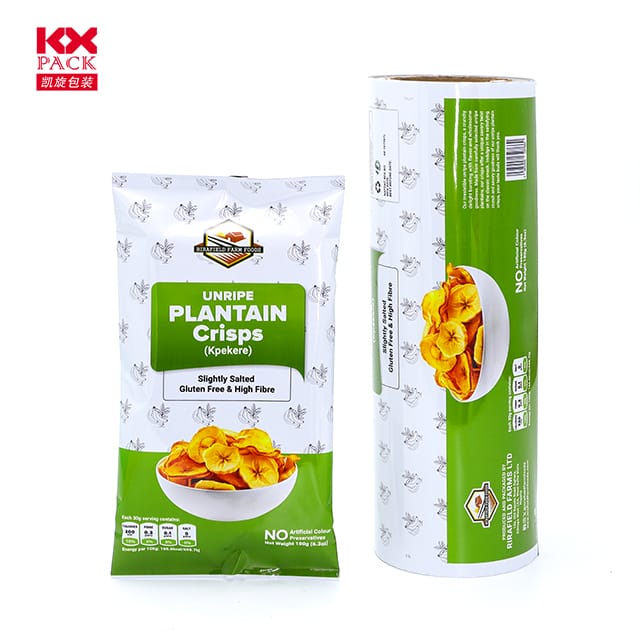
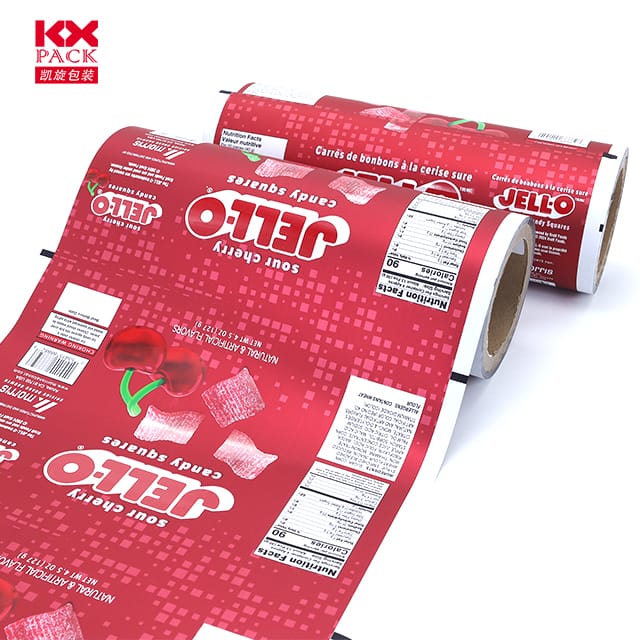
- Confezione di spuntini: Heat-sealable PET films are used for potato chip bags, creating a tamper-proof seal that prevents moisture ingress and staleness. These films can be printed with vibrant designs without compromising seal quality.
- Prodotti freschi: Confezionamento in atmosfera modificata (MAPPA) films extend the shelf life of fruits and vegetables by regulating oxygen and carbon dioxide levels. Per esempio, LDPE films with ethylene-absorbing layers slow down ripening.
- Innovative Designs: IL “Seal N' Flip™” technology relocates the lidding film to the bottom of containers, reducing plastic use by 30% while enhancing product visibility on shelves.
Crescita del mercato: The global shrink plastic film market for beverage multipacks is projected to reachDollaro statunitense 3.0 miliardi di 2025, driven by demand for processed beverages and eco-friendly alternatives.
3. Farmaceutici: Ensuring Potency and Safety
Pharmaceutical packaging relies onSigillando il film in plastica to protect drugs from moisture, leggero, e contaminazione:
- Confezioni blister: Aluminum-laminated PET films are used for tablets and capsules, combining puncture resistance with child-resistant features.
- Film per sigillatura a freddo: These are gaining traction for temperature-sensitive medications, as they eliminate heat exposure during sealing, preserving drug efficacy.
Key Players: Tier 1 manufacturers likeCompagnia Bemis EAmcor Plc dominate the market, focusing on high-barrier, recyclable materials to meet regulatory standards.
4. Industrial and E-Commerce: Durability Meets Efficiency
In logistics, Sigillando il film in plastica ensures products survive transportation intact:
- Avvolgimento di pallet: Stretch films with reinforced layers prevent cargo shifting, riducendo i tassi di danno fino a 40%.
- E-Commerce Packaging: Cold seal films are ideal for automated packaging lines, as they require no heat, speeding up fulfillment processes for online retailers.
Innovation Spotlight: IoT-enabled films with embedded sensors are being tested to track temperature and humidity in real time, critical for perishable goods.
5. Tendenze del mercato: Sustainability and Smart Packaging
ILCold Seal Plastic Films Market is expected to grow fromDollaro statunitense 4.1 miliardi di dollari 2025 a USD 7.2 miliardi di 2035, all'a5.8% CAGR. I fattori chiave includono:
- Sostenibilità: Brands are shifting to compostable films made from PLA (acido polilattico) o miscele di amido, riduzione dei rifiuti di plastica.
- Advanced Barriers: Co-extruded films combining PET, EVOH, and PE layers offer superior gas and moisture resistance, estendere la durata di conservazione del prodotto.
- Compatibilità con l'automazione: Films designed for high-speed sealing machines are in demand, with impulse sealing and ultrasonic welding gaining popularity.
Conclusione: Il futuro della pellicola sigillante in plastica
From protecting lab samples to revolutionizing food packaging, Sigillando il film in plastica is a testament to material science’s ability to balance functionality and sustainability. As industries prioritize eco-friendly solutions and smart technologies, innovations like biodegradable films and IoT integration will redefine its role. Whether you’re a scientist, a food manufacturer, or a consumer, this unassuming material touches your life daily—and its future is brighter than ever.
Invito all'azione: Are you exploring sustainable packaging options? Share your thoughts in the comments below or tag us on social media with #SealingFilmInnovation!