Comprensione delle proprietà chiave dei film per imballaggi flessibili: Una guida per soluzioni di imballaggio moderne
Film per imballaggio flessibile
Nel frenetico mercato consumer di oggi, Film per imballaggio flessibile sono emersi come un punto di svolta, offrendo leggerezza, economico, e soluzioni versatili per la protezione e la presentazione del prodotto. Dagli snack e bevande ai prodotti farmaceutici e industriali, questi film sono progettati per soddisfare diverse esigenze bilanciando le prestazioni, sostenibilità, e marchio. Let’s delve into the core properties that define flexible packaging films and their impact on product success.
1. Proprietà barriera: The Shield Against Contamination
Film per imballaggio flessibile are designed to act as a barrier against external elements like oxygen, umidità, leggero, e odori. Ad esempio:
- Bopp (Polipropilene orientato biassialmente) excels in moisture resistance, making it ideal for snack packaging and hygiene products.
- BOPET (Polietilene tereftalato biorientato) combines transparency with high tensile strength and gas barrier properties, ensuring freshness for food and pharmaceuticals.
- Nylon (PAPÀ) offers superior oxygen barrier capabilities, often used in high-performance laminates for meat and cheese packaging.
- EVOH (Alcool etilene vinilico) layers enhance oxygen resistance in multilayer structures, extending shelf life significantly.
Why it matters: Effective barrier properties prevent spoilage, mantenere l'integrità del prodotto, and reduce food waste—a critical consideration for sustainability-focused brands.
2. Resistenza meccanica: Durability in Motion
Packaging must withstand handling, trasporto, and storage without compromising contents. Key mechanical properties include:
- Tensile Strength: Measures resistance to breaking under tension. BOPET and BOPA (Biaxially Oriented Polyamide) films are renowned for their high tensile strength, ensuring durability during transit.
- Resistenza alla perforazione: Critical for products with sharp edges (PER ESEMPIO., cibi surgelati). Nylon-based films or co-extruded structures with thick layers excel here.
- Elongation at Break: Indicates how much a film can stretch before tearing. High elongation (PER ESEMPIO., LDPE films) is ideal for irregularly shaped products like toys or tools.
- Tear Strength: Prevents propagation of tears once initiated, crucial for bags and pouches.
Real-world example: A study on BOPP films showed their ability to withstand 90°C thermoforming without losing structural integrity, making them suitable for rigid-like packaging with flexible benefits.
3. Proprietà ottiche: The Power of Visual Appeal
Film per imballaggio flessibile is often the first interaction consumers have with a product. Optical properties include:
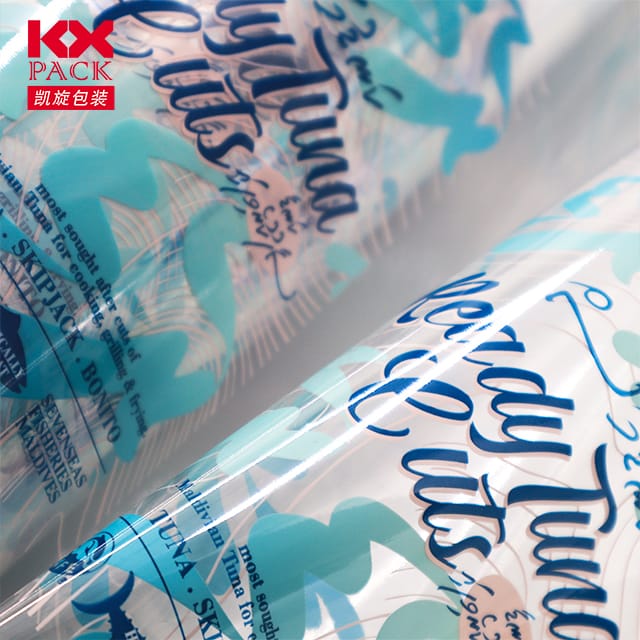
- Trasparenza: BOPET and BOPP films offer crystal-clear visibility, enhancing product appeal for items like fresh produce or confectionery.
- Lucentezza: High-gloss finishes create a premium look, often achieved through metallization or coating layers.
- Haze: Low haze values ensure clarity, while matte finishes can reduce glare for a sophisticated aesthetic.
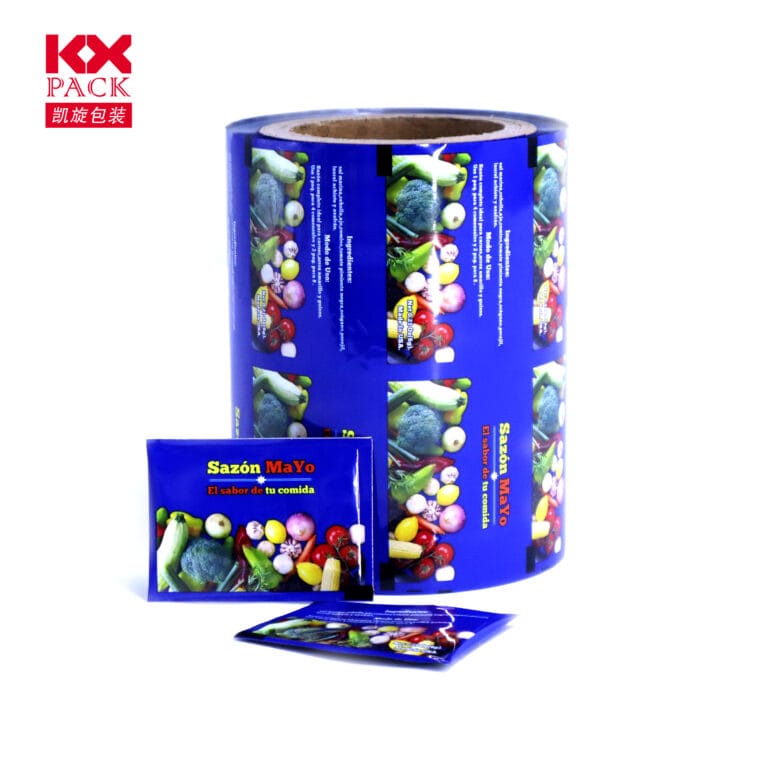
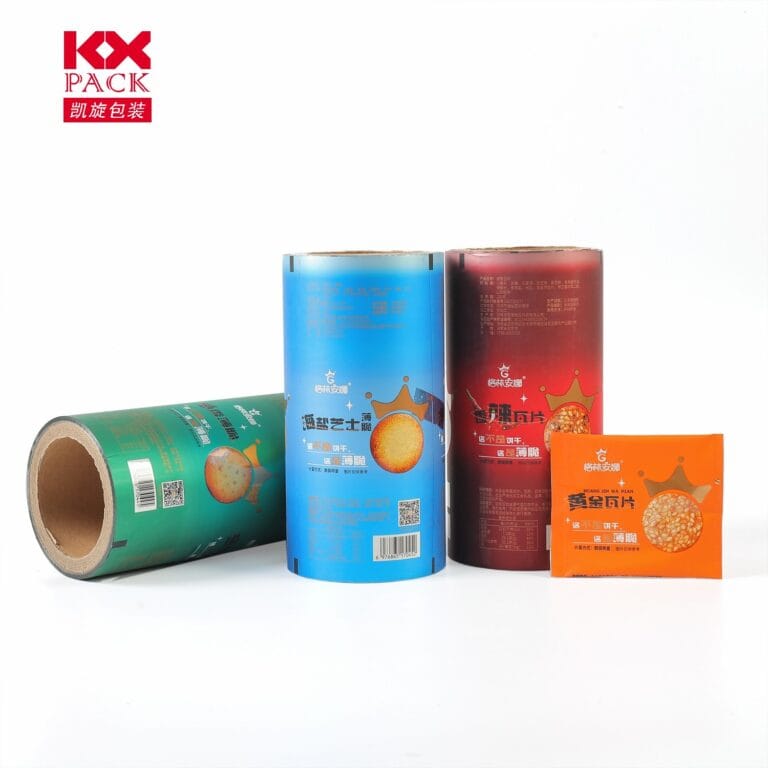
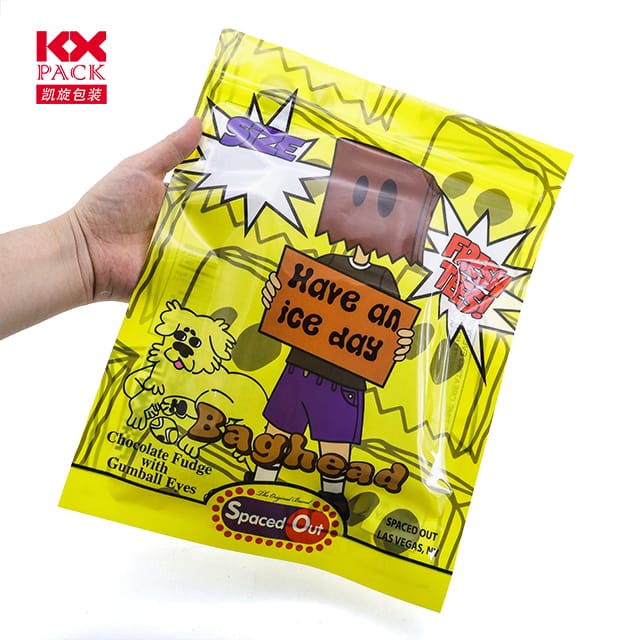
Branding tip: Use high-quality printing on films like BOPP (which supports vibrant colors and graphics) to create eye-catching designs that stand out on shelves.
4. Proprietà termiche: Adapting to Process and Environment
Packaging films must perform under varying temperatures:
- Saldabilità termica: LDPE and co-extruded films seal reliably at low temperatures, reducing energy costs during production.
- Thermoformability: Films like BOPE (Polietilene biorientato) can be molded into custom shapes (PER ESEMPIO., trays for ready-to-eat meals) without cracking.
- Resistenza al calore: Nylon films withstand high processing temperatures (up to 260°C for PA66), making them suitable for retort packaging (sterilized products).
Case study: A coffee brand switched to a BOPET/aluminum laminate, leveraging its heat resistance to maintain freshness in hot-fill applications while reducing packaging weight by 30%.
5. Sostenibilità: Il futuro dell'imballaggio
Mentre crescono le preoccupazioni ambientali, flexible films are evolving to meet eco-conscious demands:
- Biodegradabilità: Film realizzati in PLA (Acido Polilattico) or starch blends decompose naturally, ridurre i rifiuti in discarica.
- Compostability: Certified compostable films (PER ESEMPIO., those meeting EN 13432 standard) break down in industrial composting facilities.
- Riciclabalità: Strutture monomateriche (PER ESEMPIO., buste interamente in PE) semplificare i flussi di riciclaggio, while down-gauging reduces material use without sacrificing performance.
Innovation spotlight: A leading packaging company developed a recyclable PE/EVOH laminate, balancing barrier properties with circular economy goals.
6. Resistenza chimica: Protecting Product Purity
Films must resist degradation from contents like oils, acidi, or solvents:
- Nylon (PAPÀ) resists aromatic hydrocarbons, making it ideal for chemical packaging.
- PVDC (Cloruro di polivinilidene) coatings enhance chemical resistance but face regulatory scrutiny due to environmental concerns.
- Co-extruded structures combine materials (PER ESEMPIO., PE/PA/EVOH) to create tailored resistance profiles.
Choosing the Right Film: Un atto di equilibrio
Selecting a flexible packaging film involves aligning properties with product needs:
- Cibo: Prioritize barrier properties (ossigeno, umidità) and compliance with food-grade regulations (PER ESEMPIO., FDA, Unione Europea).
- Farmaceutici: Focus on chemical resistance, light barrier, and tamper-evident features.
- Industrial goods: Emphasize puncture resistance and thermal stability for heavy-duty applications.
Conclusione
Flexible packaging films are a testament to innovation in material science, offrendo una miscela di protezione, prestazione, e sostenibilità. By understanding their properties—from barrier strength to thermal adaptability—brands can design packaging that not only safeguards products but also enhances consumer experience and reduces environmental impact. Con l’avanzare della tecnologia, expect even smarter films that integrate smart sensors, active barriers, E 100% riciclabilità, redefining the future of packaging.
Pronto per aggiornare il tuo packaging? Explore material testing services to evaluate film properties like oxygen transmission rate (OTR) or seal strength, ensuring your solution meets exacting standards. 🌍📦