Kode Tak Terlihat pada Kemasan Makanan: Apakah Anda Benar-Benar Memahami Label Itu?
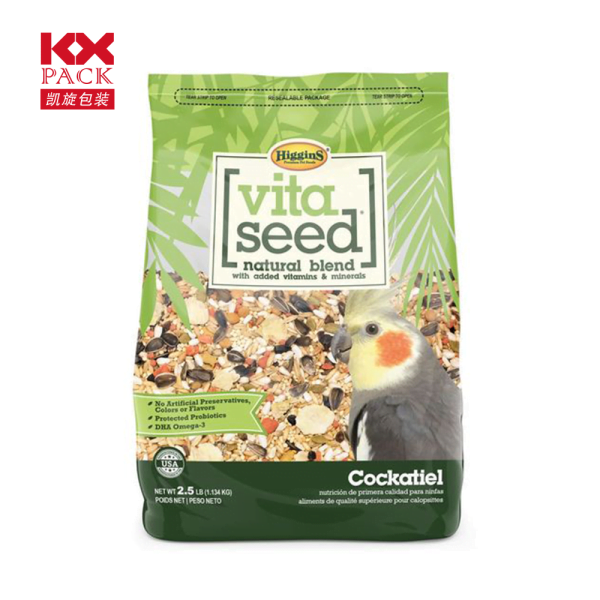
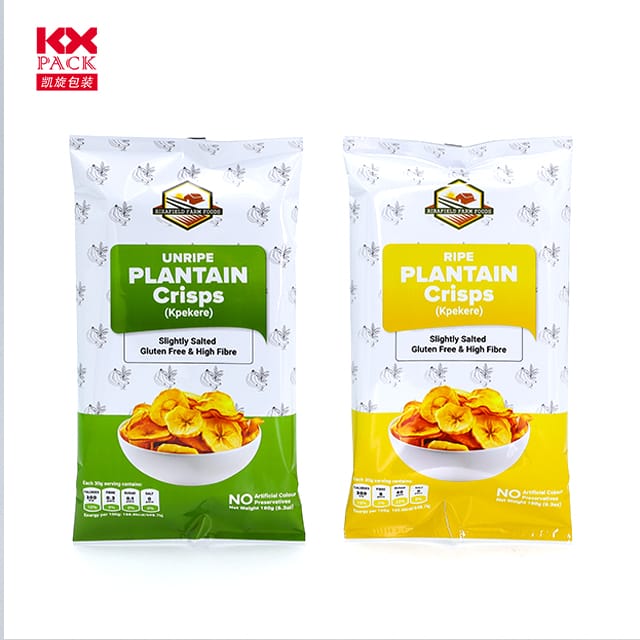
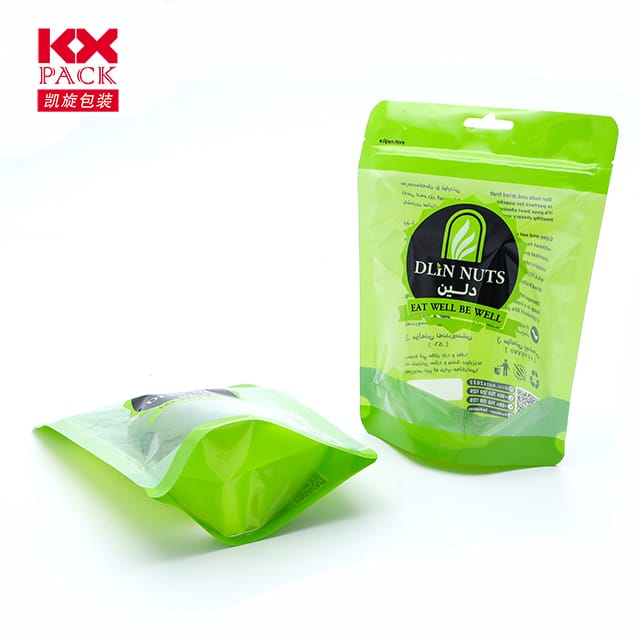
Every time we pick up a food product from the supermarket shelf, we are surrounded by a variety of labels, symbols, and text on its packaging. These seemingly ordinary marks are not random—they are Kode Tak Terlihat pada Kemasan Makanan, a set of important information designed to inform consumers about the product’s safety, kualitas, origin, and shelf life. Itu “Invisible Code” on Food Packaging is more than just a collection of words and symbols; it is a bridge between food manufacturers and consumers, ensuring transparency and trust in the food supply chain. Belum, for most people, The Invisible Code on Food Packaging remains a mystery—many of us glance at the labels but rarely take the time to understand what they really mean. This article will serve as your comprehensive guide to Kode Tak Terlihat pada Kemasan Makanan, breaking down each key component of food labels, explaining their meanings, and helping you decode the information that matters most. Di akhir artikel ini, you will no longer be confused by The “Invisible Code” on Food Packaging and will be able to make more informed decisions about the food you buy and eat.
1. Perkenalan: Why The Invisible Code on Food Packaging Matters
In an era where food safety is a top concern for consumers, Itu “Invisible Code” on Food Packaging plays a crucial role in protecting our health and rights. Itu “Invisible Code” on Food Packaging is a mandatory requirement in most countries, enforced by food safety authorities to ensure that manufacturers provide accurate and essential information about their products. Without The Invisible Code on Food Packaging, consumers would be unable to know what ingredients are in their food, how long it will stay fresh, or whether it meets safety standards. Itu “Invisible Code” on Food Packaging also helps consumers with dietary restrictions—such as allergies, vegetarianism, or gluten intolerance—make suitable choices by clearly listing ingredients and potential allergens. Lebih-lebih lagi, Itu “Invisible Code” on Food Packaging promotes accountability among manufacturers, as it requires them to be transparent about their products’ quality and safety. Whether you are a health-conscious shopper, a parent buying food for your family, or simply someone who wants to know what they are eating, understanding The “Invisible Code” on Food Packaging is an essential skill. This article will unpack The “Invisible Code” on Food Packaging, making it easy to understand and apply in your daily shopping.
2. The Core Components of The Invisible Code on Food Packaging
Itu “Invisible Code” on Food Packaging consists of several key components, masing-masing melayani tujuan tertentu. These components work together to provide a complete picture of the food product, from its ingredients to its shelf life. To fully understand The “Invisible Code” on Food Packaging, it is important to break down each part and learn what it means. Below are the most common elements of The “Invisible Code” on Food Packaging, along with detailed explanations to help you decode them.
2.1 Ingredient List: The Foundation of The Invisible Code on Food Packaging
The ingredient list is one of the most important parts of The “Invisible Code” on Food Packaging, as it tells you exactly what is in the food you are buying. In most countries, the ingredient list is required to be listed in descending order of weight—meaning the first ingredient is the most abundant, and the last ingredient is the least abundant. This is a key rule of The “Invisible Code” on Food Packaging that helps consumers understand the composition of the product. Misalnya, if a jar of jam lists “gula” as the first ingredient, you know that sugar is the main component, followed by fruit and other additives. The Invisible Code on Food Packaging also requires that all ingredients, including additives, preservatives, and flavorings, are clearly listed. This is especially important for people with food allergies, as it allows them to avoid ingredients that may cause a reaction. Itu “Invisible Code” on Food Packaging prohibits manufacturers from hiding ingredients or using vague terms, ensuring that consumers have access to accurate information.
2.2 Nutritional Information: The Health Guide in The Invisible Code on Food Packaging
Another essential component of The “Invisible Code” on Food Packaging is the nutritional information panel, which provides details about the food’s nutritional content. This part of The Invisible Code on Food Packaging typically includes information such as calories, protein, carbohydrates, fat, gula, sodium, and vitamins. The nutritional information is usually presented per serving size, making it easy for consumers to calculate how much they are consuming. The Invisible Code on Food Packaging requires that nutritional information is accurate and consistent, allowing consumers to compare different products and make healthier choices. Misalnya, someone trying to reduce their sugar intake can use the nutritional information in The Invisible Code on Food Packaging to choose a product with lower sugar content. The Invisible Code on Food Packaging also often includes percentage daily values (% DV), which show how much of each nutrient a serving of the food contributes to a daily diet. This helps consumers understand the nutritional impact of the food they eat.
2.3 Shelf Life and Storage Instructions: The Freshness Clue in The Invisible Code on Food Packaging
Shelf life and storage instructions are critical parts of The “Invisible Code” on Food Packaging, as they ensure that consumers know how long the food will stay fresh and how to store it properly. Itu “Invisible Code” on Food Packaging typically includes two types of shelf life labels: “best before” Dan “use by” dates. “Best before” dates indicate the date by which the food will be at its best quality—after this date, the food may still be safe to eat but may have a reduced taste, tekstur, or nutritional value. “Use by” dates, di samping itu, indicate the date by which the food must be eaten to ensure safety—after this date, the food may be unsafe due to bacterial growth. The Invisible Code on Food Packaging also includes storage instructions, seperti “keep refrigerated” atau “store in a cool, tempat yang kering,” which help consumers maintain the food’s freshness and safety. Ignoring these instructions can lead to food spoilage and potential health risks, making this part of The “Invisible Code” on Food Packaging essential for food safety.
2.4 Allergen Warnings: The Safety Alert in The Invisible Code on Food Packaging
For people with food allergies, allergen warnings are a life-saving part of The “Invisible Code” on Food Packaging. Itu “Invisible Code” on Food Packaging requires manufacturers to clearly label any common allergens present in the food, such as nuts, produk susu, telur, gandum, soy, dan makanan laut. These warnings are usually displayed in a prominent place on the packaging, often with a bold or highlighted font, to ensure they are easily visible. Itu “Invisible Code” on Food Packaging also requires manufacturers to warn about potential cross-contamination—for example, if a product is made in a facility that also processes nuts. This is important for people with severe allergies who need to avoid even trace amounts of allergens. By following the allergen warnings in The Invisible Code on Food Packaging, consumers with allergies can protect themselves from dangerous reactions.
2.5 Certification Symbols: The Quality Mark in The Invisible Code on Food Packaging
Certification symbols are another part of The Invisible Code on Food Packaging that provides valuable information about the food’s quality, origin, or production methods. These symbols are usually issued by third-party organizations and indicate that the product meets specific standards. Examples of common certification symbols in The “Invisible Code” on Food Packaging include organic certification (MISALNYA., USDA Organic, EU Organic), non-GMO certification, fair trade certification, and halal or kosher certification. Each symbol has a specific meaning, and understanding them helps consumers make choices that align with their values. Misalnya, someone who prefers organic food can look for the organic certification symbol in The “Invisible Code” on Food Packaging to ensure the product is grown without synthetic pesticides or fertilizers. Itu “Invisible Code” on Food Packaging ensures that these symbols are genuine and not misleading, giving consumers confidence in their purchases.
3. Common Misconceptions About The Invisible Code on Food Packaging
Despite the importance of The Invisible Code on Food Packaging, many consumers have misconceptions about what the labels mean, leading to confusion and incorrect decisions. To fully benefit from The “Invisible Code” on Food Packaging, it is important to debunk these common myths and understand the truth behind the labels. Below are some of the most common misconceptions about The “Invisible Code” on Food Packaging, along with accurate explanations.
3.1 Misconception 1: “Best Before” Means “Expired”
One of the most common misconceptions about The “Invisible Code” on Food Packaging is that the “best before” date means the food is expired and unsafe to eat. This is not true. Itu “best before” date, as part of The “Invisible Code” on Food Packaging, is a quality indicator, not a safety indicator. After the “best before” date, the food may lose some of its taste, tekstur, or nutritional value, but it is still safe to eat if stored properly. Itu “use by” date, di samping itu, is a safety indicator—after this date, the food may be unsafe to eat. Understanding the difference between these two dates is a key part of decoding The “Invisible Code” on Food Packaging and avoiding food waste.
3.2 Misconception 2: All Additives in The Invisible Code on Food Packaging Are Harmful
Another common misconception is that all additives listed in The Invisible Code on Food Packaging are harmful. While some additives may have potential health risks when consumed in large amounts, most additives used in food are approved by food safety authorities and are safe when used in recommended quantities. Itu “Invisible Code” on Food Packaging requires manufacturers to list all additives, allowing consumers to make informed choices. Many additives are used to preserve food, improve its texture, or enhance its flavor, and they play an important role in ensuring food safety and quality. The key is to understand what each additive does, which The Invisible Code on Food Packaging helps facilitate.
3.3 Misconception 3: “Natural” on The Invisible Code on Food Packaging Means “Sehat”
Many consumers assume that the word “natural” on The “Invisible Code” on Food Packaging means the product is healthy and free of additives. Namun, there is no universal definition of “natural” in food labeling, and the term is often used loosely. Itu “Invisible Code” on Food Packaging does not require products labeled “natural” to be free of additives or preservatives—they may still contain ingredients that are not naturally occurring. To determine if a product is healthy, it is important to look beyond the “natural” label and check the ingredient list and nutritional information in The “Invisible Code” on Food Packaging.
4. How to Effectively Decode The Invisible Code on Food Packaging: A Practical Guide
Now that you understand the key components of The “Invisible Code” on Food Packaging and have debunked common misconceptions, it’s time to learn how to effectively decode the labels in your daily shopping. Itu “Invisible Code” on Food Packaging may seem overwhelming at first, but with a few simple steps, you can quickly and easily extract the information you need. Below is a practical guide to help you decode The “Invisible Code” on Food Packaging like a pro.
4.1 Melangkah 1: Start with the Ingredient List
The ingredient list is the foundation of The “Invisible Code” on Food Packaging, so start here. Look for products with short, simple ingredient lists—these are often healthier and less processed. Pay attention to the order of ingredients (descending by weight) and avoid products where sugar, garam, or unhealthy fats are the first ingredients. If you have food allergies, scan the ingredient list for allergens, and also check the allergen warning section of The “Invisible Code” on Food Packaging.
4.2 Melangkah 2: Check the Nutritional Information
Berikutnya, review the nutritional information panel in The “Invisible Code” on Food Packaging. Focus on the nutrients that matter to you—for example, if you’re watching your calorie intake, check the calories per serving. If you’re trying to reduce sodium, look for products with lower sodium content. Use the % DV to understand how the food fits into your daily diet. Remember that serving sizes can vary, so adjust accordingly.
4.3 Melangkah 3: Pay Attention to Shelf Life and Storage Instructions
Don’t forget to check the “best before” atau “use by” date in The “Invisible Code” on Food Packaging, and make sure you can consume the product before this date. Juga, read the storage instructions to ensure you know how to keep the food fresh. Misalnya, some products need to be refrigerated after opening, while others can be stored at room temperature. Following these instructions will help you avoid food spoilage and ensure safety.
4.4 Melangkah 4: Look for Certification Symbols
If you have specific preferences—such as organic, non-GMO, or fair trade—look for the corresponding certification symbols in The “Invisible Code” on Food Packaging. These symbols ensure that the product meets specific standards, giving you confidence in your purchase. Make sure the symbols are genuine (look for official logos) and not just marketing gimmicks.
5. Kesimpulan: Empower Yourself with The Invisible Code on Food Packaging
The Invisible Code on Food Packaging is a powerful tool that empowers consumers to make informed decisions about the food they buy and eat. By understanding the key components of The “Invisible Code” on Food Packaging—including the ingredient list, informasi nutrisi, umur simpan, allergen warnings, and certification symbols—you can protect your health, avoid food waste, and make choices that align with your values. The Invisible Code on Food Packaging is not just a set of labels; it is a way for manufacturers to be transparent and accountable, and for consumers to take control of their food choices.
In a world where food options are abundant and complex, Itu “Invisible Code” on Food Packaging is your guide to navigating the supermarket with confidence. Whether you’re buying groceries for your family, snacks for yourself, or ingredients for a meal, taking the time to decode The “Invisible Code” on Food Packaging will help you make healthier, safer, and more informed choices. Ingat, Itu “Invisible Code” on Food Packaging is designed for you—use it to your advantage. By mastering The Invisible Code on Food Packaging, you can become a more conscious consumer and enjoy the peace of mind that comes with knowing exactly what’s in your food.
6. Extending The “Invisible Code” on Food Packaging: Special Scenarios and Advanced Tips
While the core components of The “Invisible Code” on Food Packaging cover most daily shopping scenarios, there are special cases and advanced details that can further enhance your ability to decode labels and make optimal choices. Itu “Invisible Code” on Food Packaging is not a one-size-fits-all system; it adapts to different food types, production methods, and consumer needs, so understanding these nuances is key to fully leveraging its value. From processed foods to fresh produce, from imported goods to homemade-style products, Itu “Invisible Code” on Food Packaging has hidden details that can help you distinguish between high-quality and subpar options, avoid unnecessary risks, and align your purchases with your lifestyle goals.
One of the most overlooked aspects of The “Invisible Code” on Food Packaging is the difference between labels for processed and unprocessed foods. For unprocessed foods like fresh fruits, Sayuran, and meats, Itu “Invisible Code” on Food Packaging is often simpler but no less important. Misalnya, fresh produce may have a PLU (Price Look-Up) code—a small number printed on the sticker, which is part of The “Invisible Code” on Food Packaging. This code not only helps cashiers scan the product but also provides hidden information: a 4-digit PLU means the produce is conventionally grown, while a 5-digit PLU starting with 9 indicates it is organic, and a 5-digit PLU starting with 8 means it is genetically modified (GMO). This part of The “Invisible Code” on Food Packaging is especially useful for consumers who prioritize organic or non-GMO options, as it allows them to quickly identify products without relying solely on certification symbols.
For processed foods, Itu “Invisible Code” on Food Packaging often includes additional details related to production methods and safety standards. Misalnya, many packaged meats, produk susu, and canned foods will have a “lot number” atau “batch code” as part of The “Invisible Code” on Food Packaging. This code is a unique identifier that tracks the product’s production date, facility, and batch, allowing manufacturers to recall products if safety issues arise. By noting the lot number, consumers can check if a product has been recalled by visiting food safety authority websites—a simple step that leverages The “Invisible Code” on Food Packaging to protect health. Selain itu, some processed foods may include “source of origin” labels as part of The “Invisible Code” on Food Packaging, which tells consumers where the main ingredients were grown or produced. This is valuable for those who prefer local or imported products, or who want to avoid ingredients from regions with lower safety standards.
Another important extension of The “Invisible Code” on Food Packaging is its adaptation for special dietary needs beyond allergies. Misalnya, consumers following a vegan or vegetarian diet rely on The “Invisible Code” on Food Packaging to identify animal-derived ingredients that may not be obvious. While some products have explicit “vegan” atau “vegetarian” certification symbols as part of The “Invisible Code” on Food Packaging, others require checking the ingredient list for hidden animal products—such as gelatin (from animal bones), Sayang, or dairy derivatives. Itu “Invisible Code” on Food Packaging also helps consumers with diabetes or other health conditions, as it provides detailed carbohydrate and sugar content in the nutritional panel, allowing for precise meal planning. For these consumers, mastering The “Invisible Code” on Food Packaging is not just a convenience but a necessity for managing their health.
Itu “Invisible Code” on Food Packaging also plays a role in environmental sustainability, a growing concern for many consumers. Beyond certification symbols like fair trade or organic, Itu “Invisible Code” on Food Packaging may include information about packaging materials and recyclability. Misalnya, labels like “dapat didaur ulang,” “dapat dikomposkan,” atau “made from recycled materials” are part of The “Invisible Code” on Food Packaging, helping consumers choose products that align with their eco-friendly values. Selain itu, some manufacturers include “jejak karbon” information as part of The “Invisible Code” on Food Packaging, indicating the amount of greenhouse gases emitted during production and transportation. This part of The “Invisible Code” on Food Packaging empowers consumers to make choices that reduce their environmental impact, turning label-reading into a way to contribute to sustainability.
It’s also important to note that The “Invisible Code” on Food Packaging can vary slightly between countries and regions, as food safety regulations differ globally. For imported products, Itu “Invisible Code” on Food Packaging may include additional labels required by the importing country, such as language translations of key information or country-specific certification symbols. Misalnya, a product imported into the European Union will have The “Invisible Code” on Food Packaging compliant with EU food safety standards, which may include stricter labeling requirements for additives or allergens than other regions. Understanding these regional differences in The “Invisible Code” on Food Packaging is especially important for consumers who frequently buy imported foods, as it ensures they can still decode labels accurately regardless of the product’s origin.
To further enhance your ability to use The “Invisible Code” on Food Packaging, consider using mobile apps designed to scan and decode food labels. Many of these apps can scan barcodes or QR codes (which are part of The “Invisible Code” on Food Packaging) to provide detailed information about ingredients, nutritional content, allergens, and even product recalls. These apps simplify the process of decoding The “Invisible Code” on Food Packaging, especially for complex products with long ingredient lists. They can also help you track your dietary intake, set preferences (such as avoiding certain additives), and receive alerts about safety issues related to products you buy regularly. By combining the information from The “Invisible Code” on Food Packaging with these tools, you can make even more informed and efficient choices.
Singkatnya, Itu “Invisible Code” on Food Packaging is a dynamic and comprehensive system that goes beyond basic ingredient lists and nutritional panels. By exploring its advanced features—from PLU codes and lot numbers to regional variations and sustainability labels—you can unlock even more value from food labels. Whether you’re navigating special dietary needs, prioritizing sustainability, or simply wanting to ensure the highest level of food safety, Itu “Invisible Code” on Food Packaging is your ally. It is a tool that evolves with consumer needs and food industry standards, and mastering it requires ongoing attention to its nuances. By continuing to learn about The “Invisible Code” on Food Packaging and applying its lessons in your daily shopping, you can become a more empowered, conscious, and healthy consumer—one label at a time.