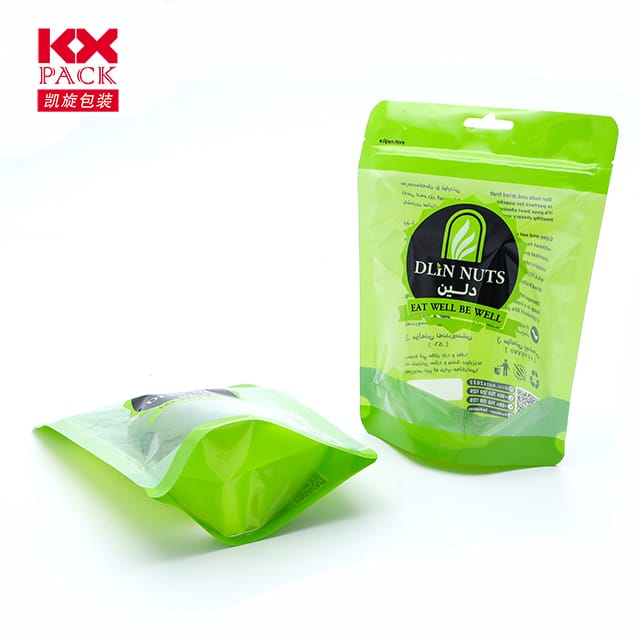
Exploring PET Sealing Film: Inovasi, Aplikasi, dan tren pasar
PET Sealing Film
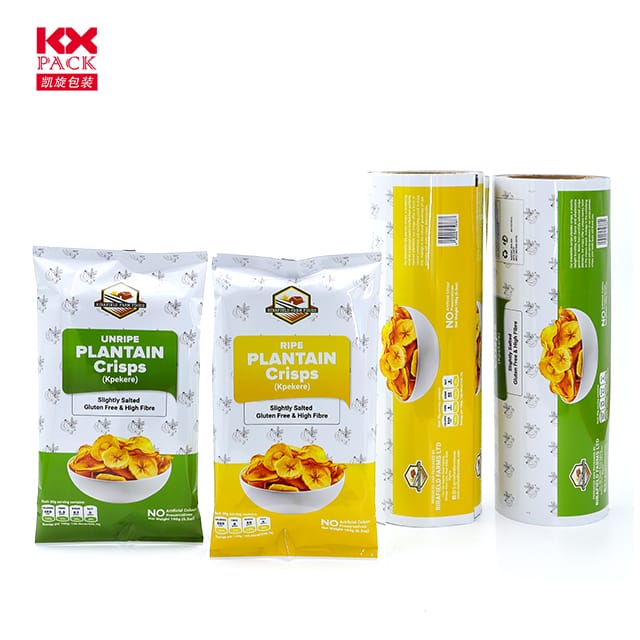
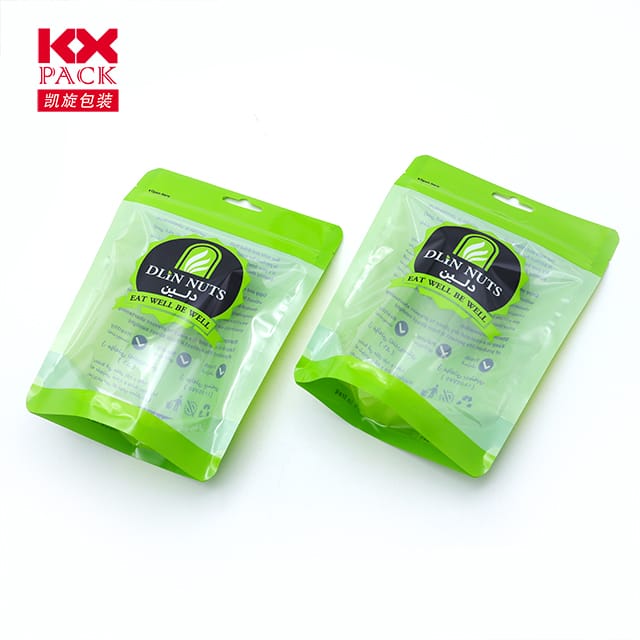
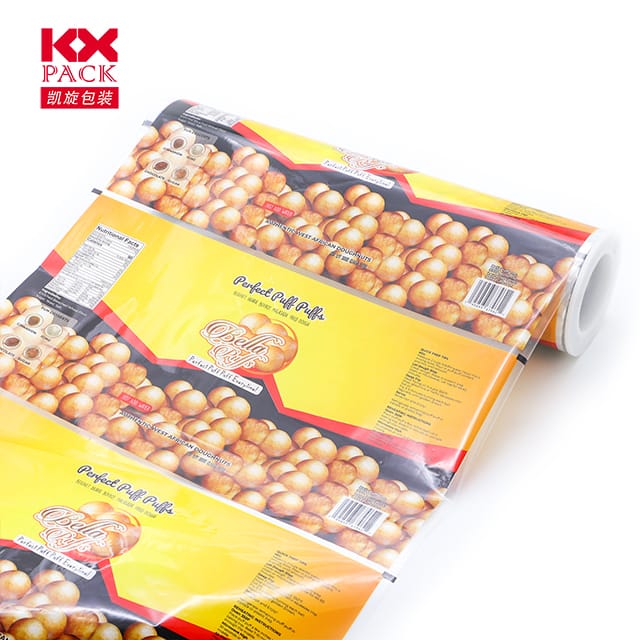
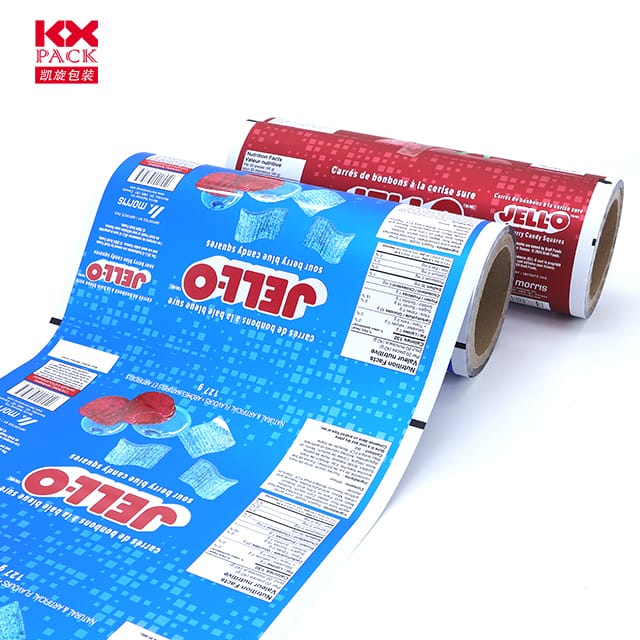
In the realm of flexible packaging and laboratory sealing solutions, PET Sealing Film has emerged as a cornerstone material, renowned for its exceptional transparency, daya tahan, and adaptability across industries. This blog delves into the technical advancements, real-world applications, and evolving market dynamics of PET sealing films, offering insights for manufacturers, researchers, dan konsumen sama.
1. The Science Behind PET Sealing Film
MEMBELAI (Polyethylene terephthalate) sealing films are engineered through a precision biaxial stretching process, yielding a material with outstanding optical clarity, low haze, and high tensile strength. SEBUAH 2024 study in theJournal of Mechanical Science and Technology highlighted how optimizing sealing parameters—such as temperature gradients and pressure—enhances bond integrity in multilayer polypropylene films, a principle equally applicable to PET variants.
Modern PET sealing films often incorporate composite layers. Misalnya, A 2024 patent disclosed a tri-layer structure comprising:
- Outer PET Layer: Provides mechanical rigidity and heat resistance.
- VMPET (Vacuum Metallized PET) Layer: Enhances barrier properties against oxygen and moisture.
- Inner PE (Polietilen) Blend Layer: Combines EVA, EAA, HDPE, and LLDPE to boost flexibility and adhesion.
This blend ensures the film maintains its seal at temperatures ranging from-80°C to 110°C, making it ideal for cryogenic storage and high-temperature sterilization.
2. Aplikasi Utama
SEBUAH. Laboratory and Biomedical Sealing
Di laboratorium, PET sealing films are indispensable for PCR plates, deep-well plates, and enzyme-linked immunosorbent assay (ELISA) kits. Specialized variants, menyukaiSterile PET Sealing Films (DNase/RNase-free), prevent nucleic acid contamination, a critical requirement in molecular biology. For fluorescence-based assays, Optically Transparent PET Films minimize light scattering, ensuring accurate quantitative PCR (qPCR) readings.
B. Food and Pharmaceutical Packaging
The food industry leverages PET sealing films for their:
- Properti Penghalang Tinggi: Reduces oxygen and moisture ingress, memperpanjang umur simpan.
- Kemampuan mencetak: Allows for branding and traceability labels.
- Daur ulang: Aligns with sustainability goals.
SEBUAH 2024 market analysis byChinaIRN projected astable CAGR for food-grade PET packaging films, driven by demand for ready-to-eat meals and single-serve products.
C. Industrial and Electronics
Optical-grade PET films are used in:
- Display Panels: As anti-reflective coatings.
- Solar Modules: For encapsulation to enhance durability.
- Lithium-Ion Batteries: As separator membranes.
3. Market Trends and Innovations
SEBUAH. Fokus Keberlanjutan
Global PET film manufacturers are shifting toward:
- Bio-Based Feedstocks: Reducing reliance on fossil fuels.
- Enhanced Recyclability: Developing mono-material structures for easier sorting.
- Pengukur Lebih Tipis: Lowering material usage without compromising performance.
B. Integrasi Kemasan Cerdas
Emerging “intelligent” PET films incorporate indicators that change color in response to:
- Temperature Fluctuations: Alerting to spoilage in cold-chain logistics.
- Gas Leakage: Detecting oxygen ingress in modified atmosphere packaging (PETA).
C. Regional Market Dynamics
- Asia-Pacific: Dominates production, with China accounting for over 40% of global capacity.
- Europe: Leads in R&D for high-performance optical films.
- Amerika Utara: Prioritizes regulatory compliance in medical and food sectors.
4. Tantangan dan Prospek Masa Depan
Terlepas dari kelebihannya, the PET sealing film industry faces hurdles:
- Raw Material Volatility: Fluctuations in PTA and ethylene glycol prices impact costs.
- Technological Disruption: Rival materials like BOPET (Biaxially Oriented Polyethylene Terephthalate) and PLA (Asam Polilaktat) pose competition.
- Tekanan Regulasi: Stringent environmental laws demand eco-friendly alternatives.
Namun, innovations inbarrier coatings, nanotechnology-enhanced films, Danhybrid materials position PET sealing films for continued growth. Oleh 2031, the global optical-grade PET film market is forecasted to reach$24.32 miliar (CAGR 3.9%), perQYResearch.
Kesimpulan
PET sealing films exemplify the intersection of material science and industrial demand. From safeguarding lab samples to preserving food freshness, their versatility remains unmatched. As the industry navigates sustainability imperatives and technological shifts, PET will likely retain its dominance—provided manufacturers innovate responsibly.
For stakeholders, staying abreast of advancements inlayer engineering, recycling technologies, DanKemasan Cerdas will be key to capitalizing on this dynamic market.
What are your thoughts on the future of PET sealing films? Bagikan wawasan Anda di bawah ini! 🌍🔬📦