Evolusi film kemasan susu: Menyeimbangkan inovasi, Keberlanjutan, dan fungsionalitas
Film kemasan susu
Milk packaging might seem like a simple everyday necessity, Tapi film ini digunakan untuk membungkus, segel, dan melestarikan itu adalah keajaiban teknik modern. Dari kertas lilin tradisional hingga plastik berlapis-lapis canggih, Film kemasan susu telah berevolusi untuk memenuhi permintaan yang ketat untuk keselamatan, umur simpan, dan dampak lingkungan. Let’s explore how this humble material has transformed—and what the future holds for keeping our milk fresh and our planet healthier.
The History of Milk Packaging: From Glass to Flexible Films
For centuries, milk was delivered in glass bottles, a method that dominated until the mid-20th century. While glass is recyclable and non-reactive, it’s heavy, fragile, and energy-intensive to produce. The rise of plastic packaging in the 1960s revolutionized the dairy industry, offering lightweight, hemat biaya, and shatterproof alternatives.
Early Film kemasan susu were typically made from low-density polyethylene (LDPE), a flexible material that protected milk from light and oxygen. Namun, these single-layer films had limitations—they lacked barrier properties and often required additional materials (like cardboard cartons) to extend shelf life.
Modern Milk Packaging Film: A Symphony of Layers and Science
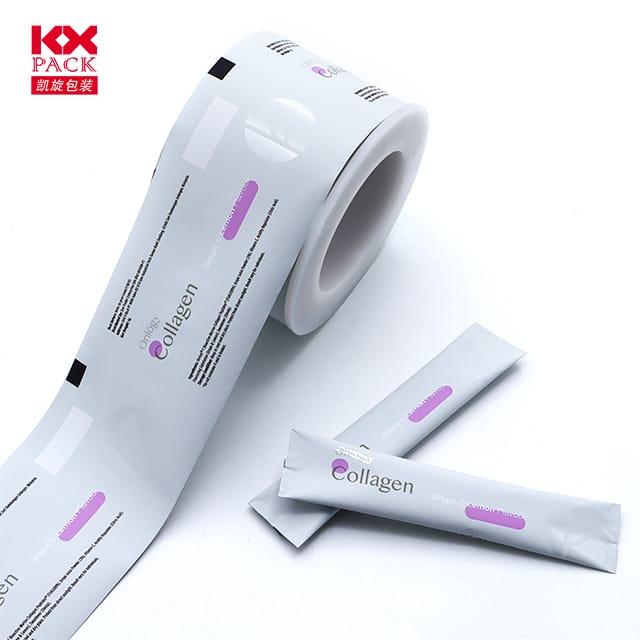
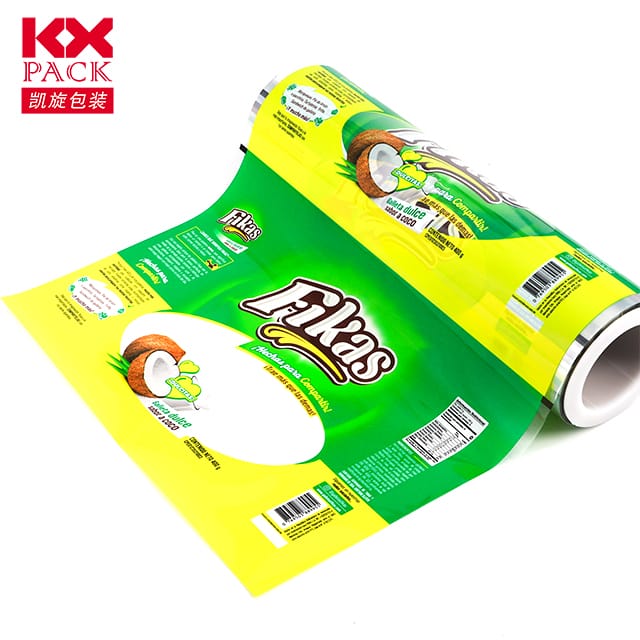
Today’s Film kemasan susu are engineered for peak performance. Most use multi-layer co-extrusion atau laminasi to combine different materials, masing-masing melayani tujuan tertentu:
- Barrier Layers:
- Alkohol Vinil Etilen (Evoh) atau aluminium foil block oxygen, kelembaban, and light—key culprits in milk spoilage.
- These layers prevent off-flavors, nutrient loss, and bacterial growth, keeping milk fresh for weeks.
- Sealant Layers:
- Polietilen (pe) atau polipropilen (PP) provide heat-sealable properties, ensuring leak-proof packaging.
- Structural Layers:
- Oriented Polypropylene (OPP) atau Polyethylene terephthalate yang berorientasi biax (Awas) add strength and puncture resistance.
- Printable Layers:
- Some films include coatings for high-quality branding and labeling.
This layered approach creates a lightweight, tahan lama, and highly functional package that extends shelf life while reducing food waste.
Sustainability Challenges: The Push for Eco-Friendly Alternatives
While modern Film kemasan susu excel in functionality, their environmental footprint is a growing concern. Traditional plastic films are often non-recyclable due to their multi-material composition, ending up in landfills or oceans.
To tackle this, the industry is exploring innovative solutions:
- Bio-Based and Compostable Films:
- Films made from Asam Polylactic (PLA), derived from renewable resources like corn starch, are biodegradable in industrial composting facilities.
- Namun, Tantangan tetap ada, such as compatibility with recycling streams and limited composting infrastructure.
- Recyclable Monomaterial Films:
- Brands are shifting toward single-polymer films (MISALNYA., all-PE or all-PP) yang lebih mudah didaur ulang.
- Advances in adhesive technology allow these films to maintain barrier properties without sacrificing recyclability.
- Reduced Material Use:
- Lebih tipis, lighter films (down to 20–30 microns) use less plastic while retaining strength.
- Sistem Pengemasan yang Dapat Digunakan Kembali:
- Some dairies are testing returnable, refillable containers to minimize single-use waste.
The Role of Technology: Smart Films and Beyond
The future of milk packaging isn’t just about sustainability—it’s about smart functionality. Teknologi yang sedang berkembang meliputi:
- Kemasan Aktif: Films embedded with antioxidants or antimicrobial agents to further extend shelf life.
- Intelligent Labels: Time-temperature indicators that alert consumers to spoilage.
- Nanoteknologi: Ultra-thin barrier coatings that reduce material use without compromising protection.
Consumer Expectations: Convenience Meets Conscience
Today’s shoppers demand packaging that’s convenient, safe, dan ramah lingkungan. Milk brands must navigate these expectations by:
- Investing in recyclable or compostable options.
- Educating consumers on proper disposal (MISALNYA., “widely recyclable” labels).
- Collaborating with governments and recyclers to improve infrastructure.
Pikiran terakhir: A Glass Half Full of Innovation
Milk packaging film has come a long way from glass bottles and single-use plastics. The next frontier balances functionality with sustainability, ensuring that our milk stays fresh while minimizing waste. As technology advances and consumer awareness grows, the dairy industry is poised to lead the charge in creating packaging that’s good for both people and the planet.
What’s your take on milk packaging? Do you prefer traditional cartons, kantong yang dapat didaur ulang, or reusable containers? Mari berdiskusi di kolom komentar! 🥛🌱