Film Pembungkus Makanan dan Film Pengemasan Makanan: Panduan Utama untuk Kesegaran, Keamanan, dan Keberlanjutan
Dalam hal menjaga rasa, tekstur, dan nilai gizi makanan favorit Anda, pahlawan tanpa tanda jasa di dapur dan rantai pasokan kita adalah film pembungkus makanan Dan film kemasan makanan. Apakah Anda seorang juru masak rumahan yang berusaha menjaga lasagna tadi malam agar tidak mengering, atau produsen makanan komersial yang mengirimkan produk-produk halus ke seluruh negeri, memilih bahan yang tepat adalah yang terpenting.
Tapi jujur saja: dunia pengemasan fleksibel bisa sangat membingungkan. Dengan istilah seperti PVC, PE, sifat penghalang, dan biodegradabilitas yang ada, bagaimana Anda tahu apa yang sebenarnya berhasil?
Dalam panduan komprehensif ini, kami akan membongkar semua yang perlu Anda ketahui film pembungkus makanan solusi, jelajahi inovasi terbaru dalam film kemasan makanan, dan membantu Anda memberi informasi, pilihan yang sadar lingkungan.
Mengapa Film Pembungkus Makanan Penting di Dapur
Kita semua pernah ke sana—menatap alpukat yang setengah dimakan, bertanya-tanya bagaimana cara menghentikannya agar tidak berubah menjadi coklat, bubur yang tidak menggugah selera. Di sinilah kualitasnya tinggi film pembungkus makanan melangkah masuk.
Pada intinya, cling wrap dirancang untuk melakukan dua hal dengan sangat baik: menempel pada permukaan dan menghalangi oksigen.
Ilmu Peregangan
Secara historis, polyvinyl chloride (PVC) adalah bahan pilihan untuk pembungkus makanan rumah tangga karena daya regangannya yang luar biasa dan daya rekatnya yang luar biasa. Namun, seiring dengan berkembangnya permasalahan kesehatan dan lingkungan, industri bergeser secara signifikan ke arah Polietilen (PE).
PE modern film pembungkus makanan menawarkan tidak beracun, Alternatif bebas BPA yang mengunci kelembapan dengan aman tanpa melarutkan bahan kimia berbahaya ke dalam makanan Anda. Ini menciptakan ketegangan, lingkungan mikro yang secara drastis memperlambat proses oksidasi, menjaga buahmu, Sayuran, dan protein segar selama berhari-hari lebih lama.
Meningkatkan Permainan: Film Pengemasan Makanan Komersial
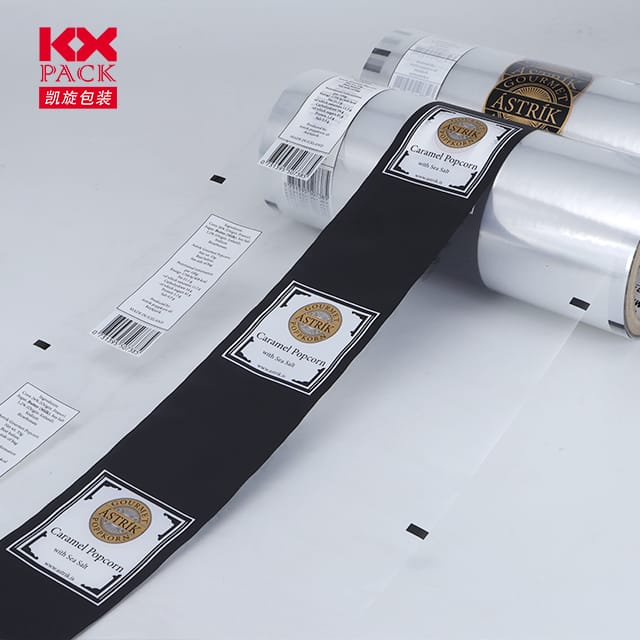
Sedangkan cling wrap standar sangat cocok untuk pengawetan jangka pendek dalam skala rumah tangga, industri pangan global menuntut sesuatu yang jauh lebih kuat. Masuk industri film kemasan makanan. Ini bukan bungkus toko kelontong biasa; mereka sangat direkayasa, keajaiban teknologi berlapis-lapis yang dirancang untuk memperpanjang umur simpan dari beberapa hari hingga beberapa bulan.
1. Kemasan Suasana yang Dimodifikasi (PETA)
Pernahkah Anda bertanya-tanya bagaimana salad sayuran dalam kantong tetap renyah selama berminggu-minggu? Rahasianya terletak pada spesialisasinya film kemasan makanan digunakan dalam PETA. Film-film ini direkayasa dengan tingkat permeabilitas gas tertentu. Mereka memungkinkan keseimbangan oksigen yang tepat, karbon dioksida, dan nitrogen ada di dalam paket, secara efektif menghentikan proses penuaan makanan “untuk tidur.”
2. Film Penghalang Tinggi
Untuk daging, keju, dan makanan olahan, kelembaban dan oksigen adalah musuh publik nomor satu. Canggih film kemasan makanan menggunakan banyak lapisan—seringkali menggabungkan nilon, Evoh, dan polietilen—untuk menciptakan penghalang yang tidak dapat ditembus. Ini mencegah freezer terbakar, mengunci aroma, dan menghilangkan risiko kontaminasi silang selama transit.

Revolusi Hijau: Solusi Pengemasan Ramah Lingkungan
Mari kita bahas gajah di dalam ruangan: sampah plastik. Ketergantungan tradisional pada plastik sekali pakai film pembungkus makanan tidak diragukan lagi berkontribusi terhadap kerusakan lingkungan. Untung, industri pengemasan sedang mengalami transformasi ramah lingkungan secara besar-besaran.
Konsumen saat ini menuntut keberlanjutan, dan produsen mulai melakukan inovasi inovatif:
- TPR (Asam Polilaktat) Film: Berasal dari sumber daya terbarukan seperti tepung jagung atau tebu, film-film ini sepenuhnya dapat dibuat kompos dalam kondisi industri.
- Pembungkus Berbasis Selulosa: Terbuat dari bubur kayu, ini memberikan sifat kejernihan dan penghalang yang sangat baik sekaligus dapat terurai secara alami.
- Monomaterial yang Dapat Didaur Ulang: Secara tradisional, film multi-lapisan tidak mungkin didaur ulang karena lapisannya tidak dapat dipisahkan. Rekayasa baru memungkinkan multi-layer film kemasan makanan seluruhnya terbuat dari keluarga polimer yang sama (seperti semua polietilen), membuat mereka 100% dapat didaur ulang.
Memilih alternatif ramah lingkungan tidak berarti mengorbankan kinerja lagi. Film-film berbasis bio terbaru menawarkan daya tarik yang sama, kejelasan, dan kekuatan seperti nenek moyang mereka yang berbasis minyak bumi.
Cara Memilih Film yang Tepat untuk Kebutuhan Anda
Dengan banyaknya pilihan yang tersedia di pasaran, memilih bahan yang tepat bisa terasa membebani. Berikut ini rincian singkat untuk memandu keputusan Anda:
| Aplikasi | Bahan yang Direkomendasikan | Manfaat Utama |
| Sisa Makanan Harian & Penggunaan Domestik | Polietilen (PE) film pembungkus makanan | Aman, bebas bahan kimia, mudah digunakan |
| Daging Segar & unggas (Komersial) | PVC atau Film Ekstrusi Bersama Penghalang Tinggi | Kontrol transmisi oksigen yang sangat baik, kejelasan premium |
| Makanan Beku | Dilaminasi film kemasan makanan (PET/PE) | Resistensi tusukan tinggi, mencegah freezer terbakar |
| Merek Sadar Lingkungan | PLA kompos atau PE Monomaterial | Mengurangi jejak karbon, menarik bagi konsumen ramah lingkungan |
Praktik Terbaik untuk Penyimpanan Makanan yang Aman
Untuk mendapatkan hasil maksimal dari Anda film pembungkus makanan, ingatlah tip praktis ini:
- Hindari Panas Tinggi: Kecuali jika sebuah film secara eksplisit diberi label sebagai “aman untuk microwave,” hindari membiarkannya menyentuh makanan berminyak atau tinggi gula selama pemanasan, karena panas yang hebat dapat menyebabkan film meleleh.
- Pastikan Segelnya Rapat: Saat membungkus wadah, pastikan pinggirannya kering. Pelek yang kering memungkinkan film pembungkus makanan untuk membentuk ikatan kedap udara yang tepat.
- Simpan dengan Benar: Simpan rol film Anda yang tidak terpakai di tempat yang sejuk, tempat kering jauh dari sinar matahari langsung untuk menjaga kualitas perekatnya.
Pikiran terakhir: Masa Depan Pengawetan Makanan
Evolusi dari film pembungkus makanan dan komersial film kemasan makanan membuktikan bahwa kita tidak harus memilih antara keamanan pangan dan tanggung jawab lingkungan. Seiring kemajuan teknologi, kita bisa menantikan kemasan yang lebih cerdas—film yang berubah warna saat makanan rusak, atau bungkus makanan yang terbuat dari protein rumput laut.
Dengan memahami bahan yang kita gunakan untuk melindungi makanan kita, kita bisa mengurangi sampah makanan, menghemat uang, dan membuat pilihan yang memperlakukan planet kita dengan hormat.
Apa pendapat Anda tentang masa depan pengemasan berkelanjutan?? Sudahkah Anda beralih ke bungkus kompos?? Beri tahu kami di komentar di bawah!