Kemasan Film Plastik Fleksibel: Masa Depan Cerdas, Berkelanjutan, dan Kemasan Serbaguna
Kemasan Film Plastik Fleksibel
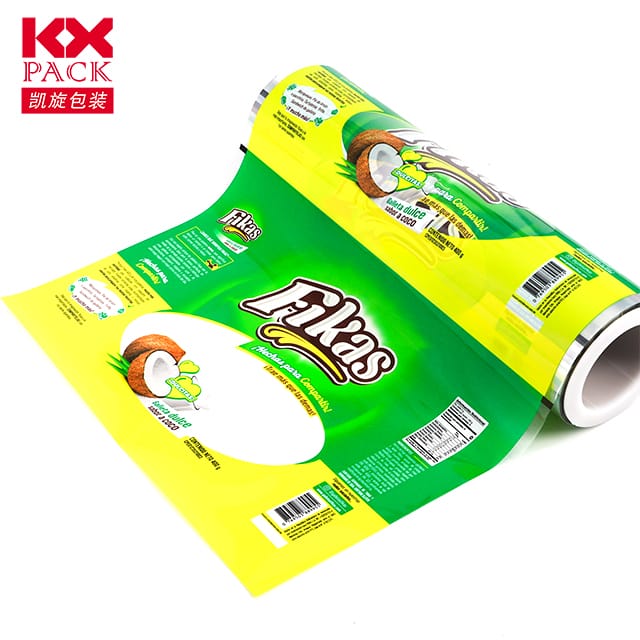
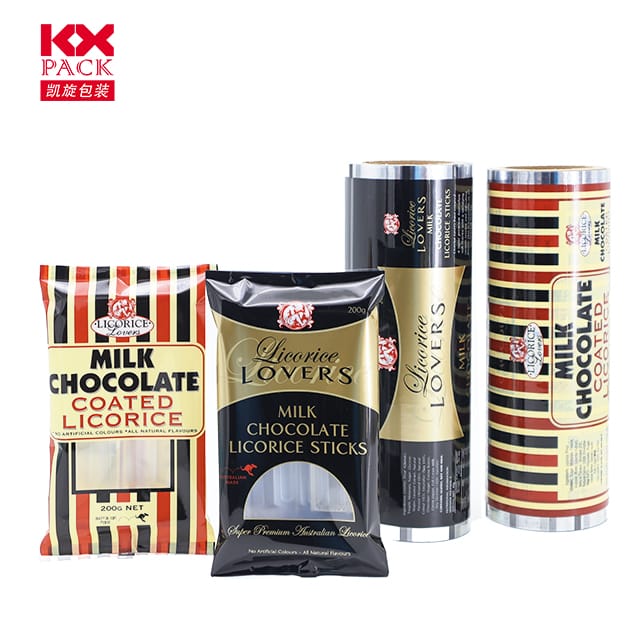
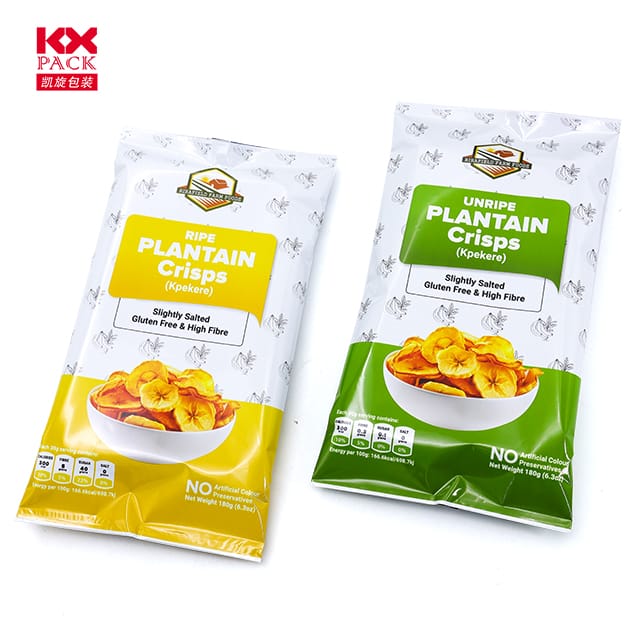
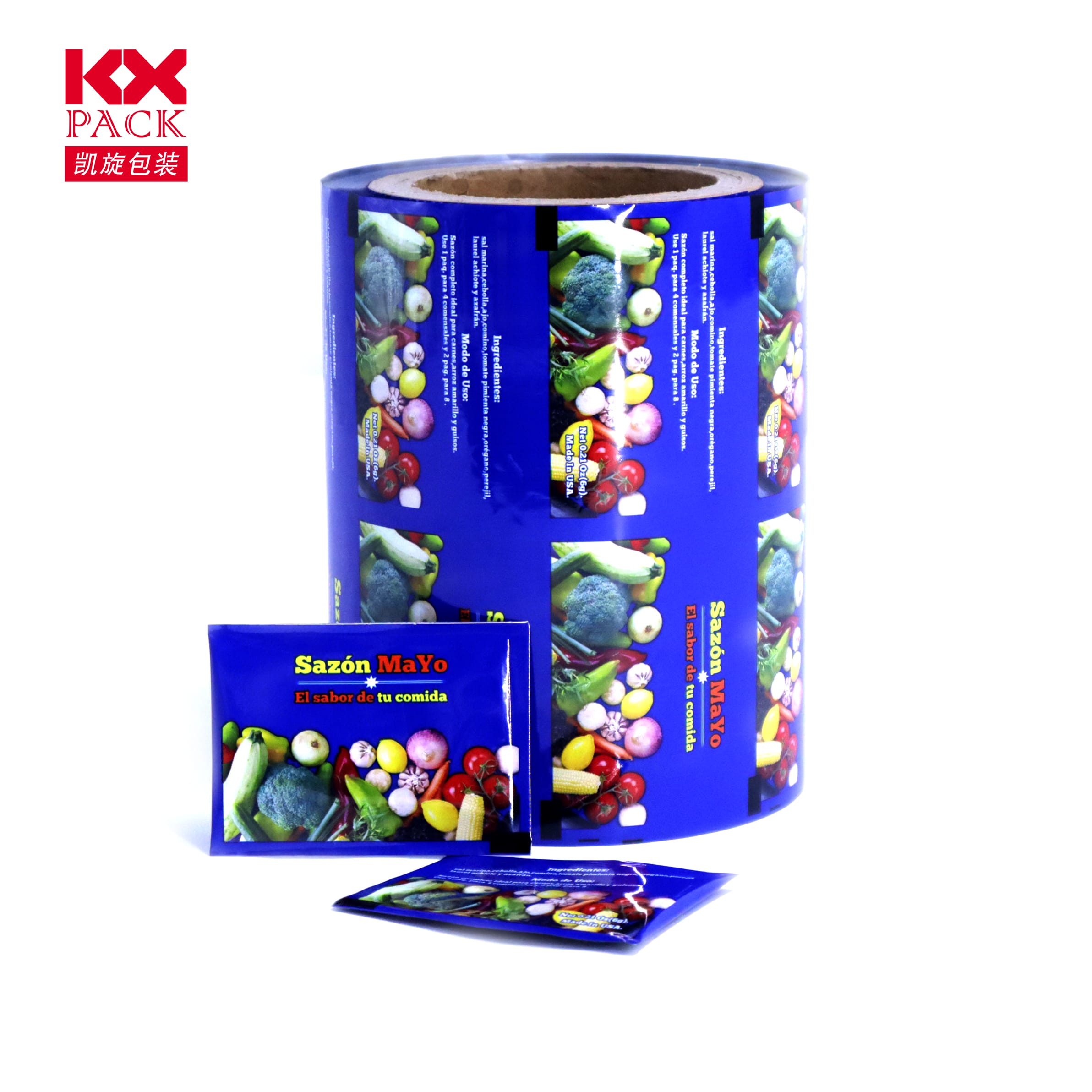
In a world where convenience, Keberlanjutan, dan diferensiasi merek adalah yang terpenting, kemasan film plastik fleksibel has emerged as a revolutionary solution. Dari makanan dan obat-obatan hingga elektronik dan e-commerce, ringan ini, bahan yang mudah beradaptasi mengubah cara produk dilindungi, disajikan, dan dikonsumsi. Let’s dive into why flexible plastic films are dominating the packaging industry—and how they’re evolving to meet tomorrow’s challenges.
Why Flexible Plastic Film Packaging? The Core Advantages
1. Unmatched Versatility
Flexible plastic films—such asBopp (Polypropylene berorientasi biax), MEMBELAI (Polyethylene terephthalate), and PE (Polietilen)—can be engineered to meet diverse needs:
- Perlindungan penghalang: Multi-layer films block oxygen, kelembaban, dan lampu UV, memperpanjang umur simpan hingga 50% for perishables like snacks and coffee.
- Formability: Thermoformable films mold precisely around products, reducing material waste compared to rigid packaging.
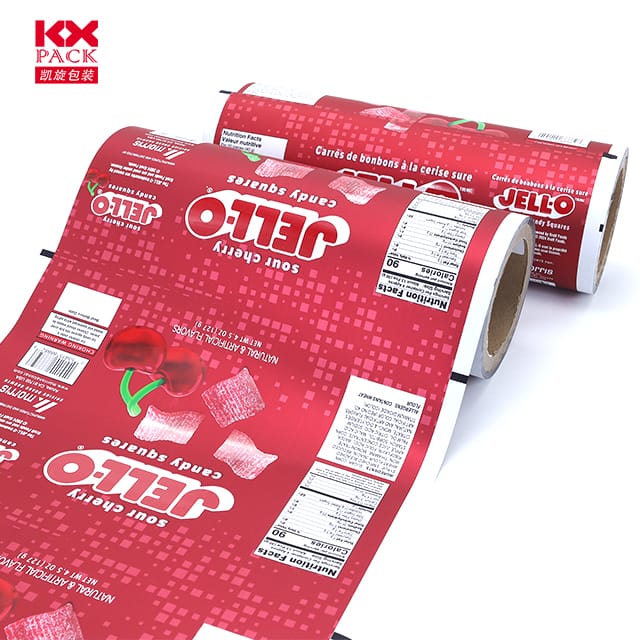
- Transparansi & Kemampuan mencetak: Film bening memamerkan produk, while high-definition printing options (MISALNYA., Flexography, digital, atau gravure) enable vibrant branding without labels.
2. Sustainability in Focus
global Kemasan Film Plastik Fleksibel market, dihargai pada $341.6 miliar oleh 2028, is driven by eco-conscious innovations:
- Recyclable Films: Struktur mono-material (MISALNYA., kantong all-pe) are easier to recycle than traditional multi-layer laminates.
- Opsi yang dapat terurai secara hayati: Films made from PLA (Asam Polilaktat) atau PHA (Polihidroksialkanoat) decompose within 6–18 months under industrial composting.
- Ringan: Flexible films use 70% less plastic than rigid alternatives, cutting transportation emissions and material costs.
3. Efisiensi biaya & Skalabilitas
- Production Speed: High-speed flexographic printing (hingga 1,500 feet per minute) makes flexible films ideal for mass-market brands.
- Reduced Storage Costs: Rolls of film occupy 80% less space than pre-formed containers, optimizing warehouse efficiency.
- Kustomisasi Sesuai Permintaan: Digital printing enables small-batch runs with zero setup costs, perfect for niche products or seasonal campaigns.
Aplikasi Utama di Seluruh Industri
1. Makanan & Minuman
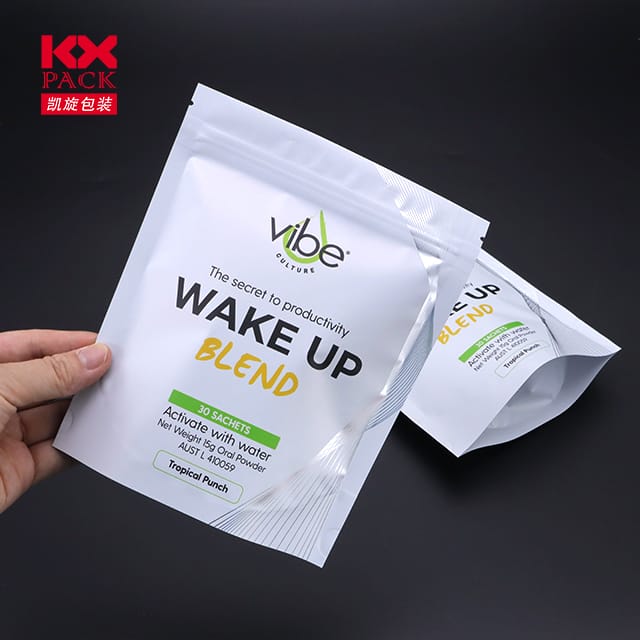
- Kantong Stand-Up: Replacing cans and jars for soups, gila, dan makanan hewan, these pouches use 60% less material and feature resealable zippers.
- Modified Atmosphere Packaging (PETA): Films with oxygen scavengers preserve freshness for meats and produce.
- Retort Pouches: Sterilizable films withstand high temperatures, memastikan keamanan makanan siap saji.
2. Farmasi & Perawatan kesehatan
- Child-Resistant Pouches: Kemasan Film Plastik Fleksibel with tamper-evident seals meet safety regulations for medications.
- Cold-Form Blister Packs: Aluminum-laminated films protect light-sensitive drugs from degradation.
3. E-commerce & Logistik
- Air Cushion Films: Inflatable plastic films replace Styrofoam peanuts, reducing shipping damage by 90%.
- Film Anti-Statis: Safeguard electronics from electrostatic discharge during transit.
Technological Innovations Driving the Market
1. Integrasi Kemasan Cerdas
- NFC Tags & QR Codes: Embedded in films, these enable consumers to scan for product authenticity, recycling instructions, or promotional content.
- Indikator Waktu-Suhu (TTI): Color-changing labels on perishable goods alert retailers to spoilage risks.
2. Advanced Manufacturing Techniques
- Nano-Coatings: Ultra-thin layers enhance barrier properties without adding weight.
- Laser Scoring: Precision cuts allow easy opening while maintaining package integrity during shipping.
3. Circular Economy Solutions
- Daur Ulang Bahan Kimia: Breaks down mixed plastics into reusable monomers, enabling infinite recycling loops.
- Upcycling Initiatives: Perusahaan seperti Dow Dan Amcor are converting post-consumer films into new Kemasan Film Plastik Fleksibel bahan.
Tantangan & Tren masa depan
1. Recycling Infrastructure Gaps
Hanya14% kemasan fleksibel didaur ulang secara global, largely due to contamination and lack of collection systems. Solutions include:
- Standardized Labeling: Clear recycling instructions to educate consumers.
- Deposit Return Schemes (DR): Incentivizing returns of used films.
2. Tekanan Regulasi
Governments are imposing stricter rules on single-use plastics. Misalnya, ituPetunjuk plastik sekali pakai UE bans non-recyclable films by 2030.
3. The Rise of Bio-Based Alternatives
By 2030,30% of flexible films are expected to be plant-derived, reducing reliance on fossil fuels.
Kesimpulan: Flexibility Is the Future
Flexible plastic film packaging isn’t just a trend—it’s a strategic imperative for brands aiming to balance performance, Keberlanjutan, dan biaya. As innovations likesmart sensors, compostable materials, and closed-loop recycling gain traction, kemungkinannya tidak terbatas.
Untuk bisnis: Embrace flexibility by partnering with suppliers who prioritize circular design and transparent sustainability reporting.
Untuk konsumen: Look for brands using recyclable or compostable films, and recycle properly to close the loop.
The packaging revolution is here—and it’s flexible. 🌱✨
What’s your favorite example of innovative flexible packaging? Bagikan pemikiran Anda di bawah ini!