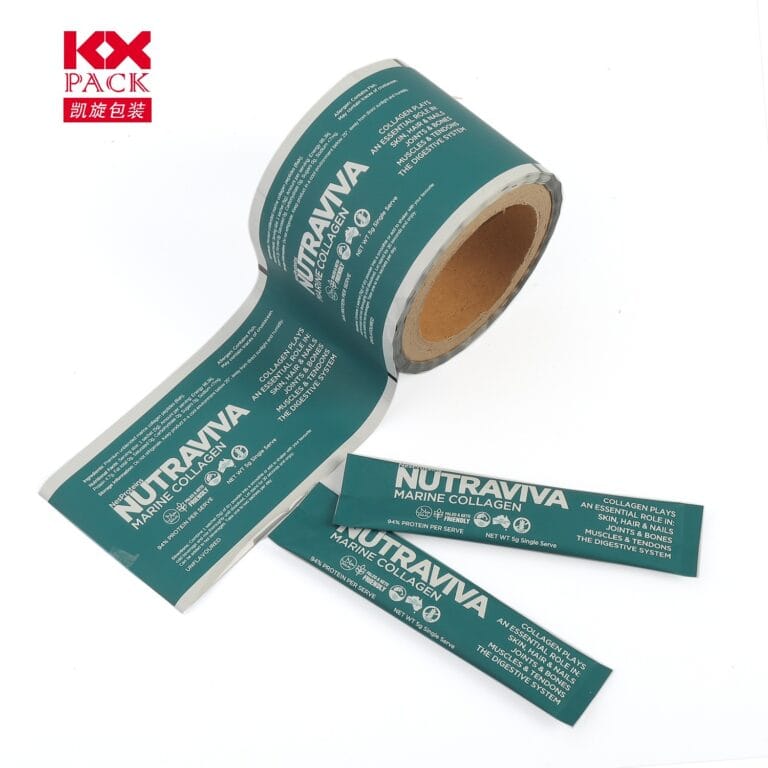
Laminasi film: Pahlawan Tanpa Tanda Jasa dalam Ketahanan dan Desain dalam Manufaktur Modern
Laminasi film
In a world where aesthetics meet functionality, film lamination has quietly become a cornerstone of product protection, daya tarik visual, dan umur panjang. Dari layar ponsel cerdas yang ramping hingga papan reklame luar ruangan yang tahan lama, proses ini melibatkan pengikatan film plastik tipis ke permukaan—baik itu kertas, kain, logam, atau kaca—untuk meningkatkan sifat-sifatnya. Mari selami sains, aplikasi, and innovations behind this versatile technique.
What Is Film Lamination?
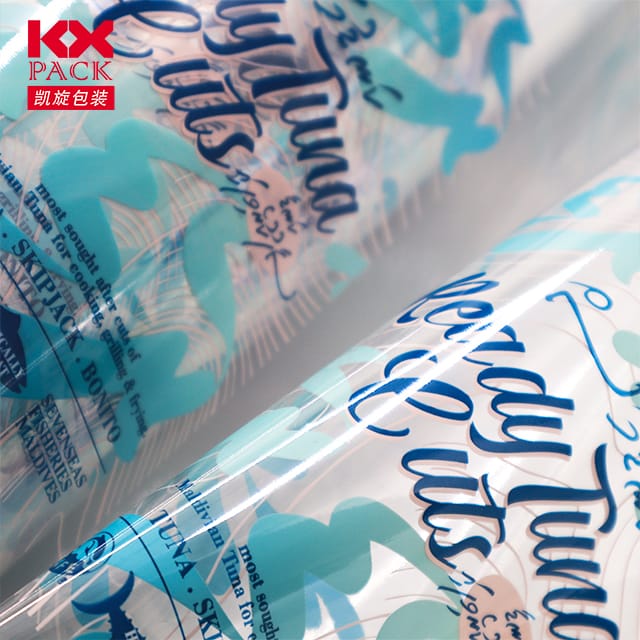
Film lamination is a finishing process where a protective or decorative film is applied to a substrate using heat, tekanan, atau perekat. Hasilnya? A reinforced material that resists wear, merobek, kelembaban, and UV damage while maintaining (or elevating) its visual quality.
Common types of laminating films include:
- Poliester (MEMBELAI): Scratch-resistant and ideal for high-traffic surfaces.
- Polipropilena (PP): Flexible and cost-effective, often used for packaging.
- PVC: Durable and glossy, popular in graphic displays.
- Film biodegradable: Eco-friendly alternatives gaining traction in sustainable manufacturing.
Why Film Lamination Matters: Key Benefits
- Protection Against the Elements
Laminated films act as a shield against water, bahan kimia, and abrasion. Misalnya, outdoor banners laminated with UV-resistant films can withstand years of sunlight without fading. - Enhanced Aesthetics
Films come in matte, mengkilap, or textured finishes, allowing brands to customize their products. A matte laminate on a business card adds a premium feel, while a glossy film makes product labels pop on shelves. - Extended Lifespan
By preventing scratches, air mata, and discoloration, lamination reduces waste and replacement costs. This is crucial for industries like automotive (dashboard displays) and construction (waterproof membranes). - Safety and Hygiene
Dalam kemasan makanan, laminated films create barriers against oxygen and moisture, menjaga kesegaran. Medical devices use antimicrobial-coated films to meet strict hygiene standards.
Aplikasi lintas industri
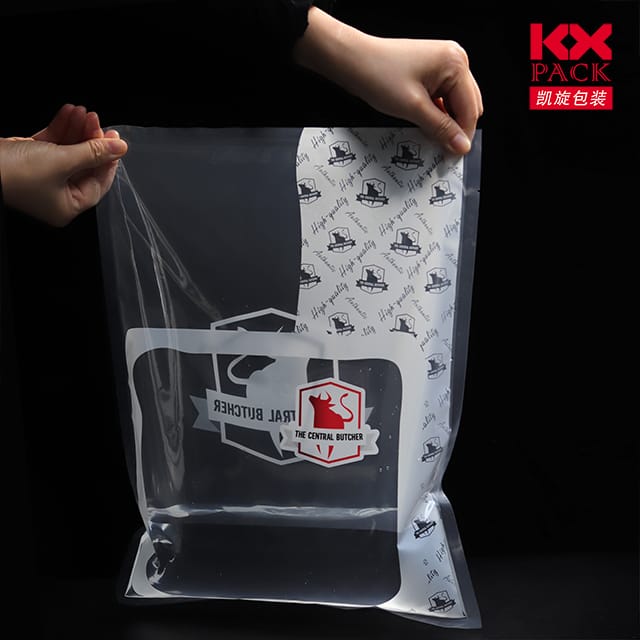
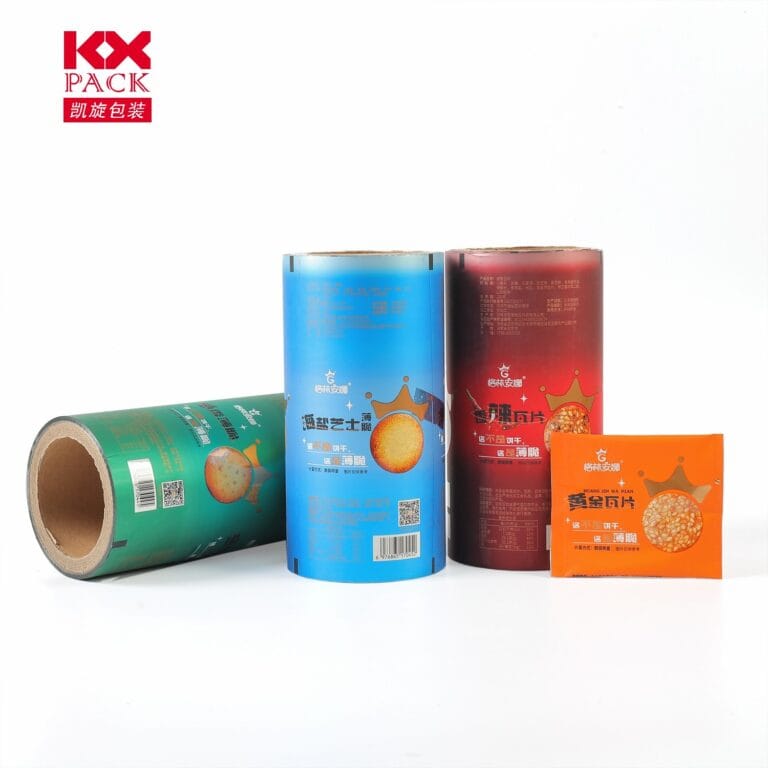
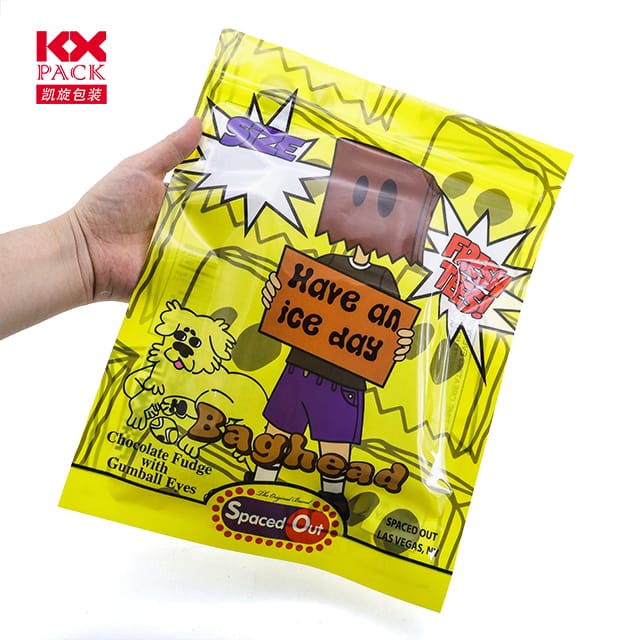
- Pencetakan & Kemasan: Books, majalah, and food packaging rely on lamination for durability and visual appeal.
- Elektronik: Smartphone screens, tablet covers, and TV displays use anti-glare or anti-fingerprint laminates.
- Otomotif: Dashboard panels, interior trims, and windshield overlays are laminated for heat resistance and clarity.
- Architecture: Glass facades and solar panels are laminated with safety films to prevent shattering.
- Fashion & Tekstil: Waterproof laminates turn fabrics into functional materials for outdoor gear.
Innovations in Film Lamination
The industry is evolving rapidly, driven by sustainability and smart technology:
- Eco-Friendly Films: Companies are developing compostable and recyclable laminates to reduce plastic waste.
- Nanoteknologi: Ultra-thin coatings (just nanometers thick) now offer self-cleaning, anti gigi, or conductive properties.
- Smart Laminates: Films embedded with sensors or LEDs are transforming packaging into interactive displays.
- 3D Lamination: Curved surfaces, like car interiors or wearable devices, now benefit from seamless, bubble-free laminates.
Tantangan dan solusi
Terlepas dari kelebihannya, film lamination faces hurdles:
- Adhesion Issues: Poor bonding can lead to peeling. Larutan? Advanced primers and laser-assisted lamination.
- Masalah Lingkungan: Traditional laminates are hard to recycle. Biodegradable and water-based adhesives are paving the way for greener alternatives.
- Biaya: High-performance films can be pricey. Namun, their long-term durability often justifies the investment.
DIY vs. Professional Lamination
While home laminators exist for small projects (like ID cards or kids’ artwork), industrial lamination requires precision equipment. Factors like temperature control, roller pressure, and film thickness demand expertise to avoid bubbles, wrinkles, or uneven coverage.
The Future of Film Lamination
As demand for sustainable and high-tech materials grows, film lamination will continue to innovate. Berharap untuk melihat:
- Circular Economy Integration: Films designed for easy recycling or reuse.
- Proses hemat energi: Low-temperature lamination to reduce energy consumption.
- Augmented Reality (Ar) laminasi: Films that interact with smartphones to display digital content.
Pemikiran terakhir: Film lamination is more than just a protective layer—it’s a bridge between functionality and design. Whether safeguarding a priceless artwork or adding a luxurious finish to a luxury product, this process quietly shapes the durability and beauty of our everyday lives.
Have you noticed laminated products in your daily routine? Share your favorites in the comments below! 🌍✨
Kata kunci: film lamination, film pelindung, sustainable manufacturing, aplikasi industri, smart laminates.