A modern élet nem énekelt hőse: A műanyag filmcsomagolás mögött rejlő történet
Műanyag fóliakefekély
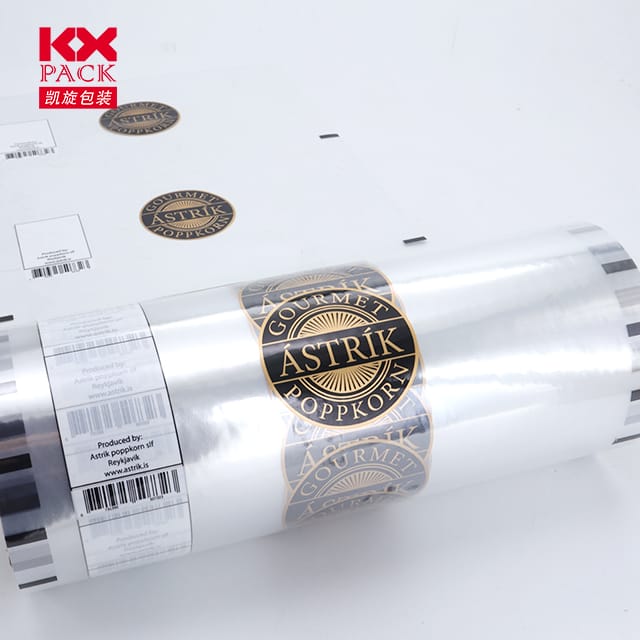
From protecting leftovers to safeguarding fragile packages, műanyag fóliakefekély (Gyakran hívnak CLING filmnek, Javaslat, vagy nyújtja a filmet) egy csendes munkás ló a napi rutinunkban. Még, Kényelme az innováció összetett narratíváját maszkolja, környezeti hatás, és a fejlődő fenntarthatósági erőfeszítések. Tegyük fel a sokoldalú anyag történetét - használjuk, vita, and the future it’s shaping.
The Evolution of Plastic Film Wrap
Plastic film wrap traces its roots to the mid-20th century, when Dow Chemical introduced the first “Javaslat” be 1949. Originally designed for military use to protect equipment, its ability to cling to surfaces without adhesives soon made it a household staple. Ma, it’s used across industries:
- Élelmiszer tárolása: A frissesség megőrzése, A romlás megakadályozása, és csökkenti az élelmiszer-pazarlást.
- Logisztika & Szállítás: Bundling products, securing pallets, and protecting goods during transit.
- Mezőgazdaság: Shielding crops from pests or harsh weather.
- Egészségügyi ellátás: Sterilizing medical equipment and wrapping supplies.
Könnyű, rugalmas, and transparent nature has revolutionized how we package, bolt, and transport items—but at what cost?
A környezeti konundrum
While plastic film wrap offers undeniable benefits, its environmental footprint is hard to ignore:
- Egyszer használatos hulladék: Most wraps are discarded after a single use, hozzájárulva a 380 million tons of plastic waste generated globally each year.
- Újrahasznosítási kihívások: Many wraps are made from low-density polyethylene (LDPE), which is technically recyclable but often contaminated with food or non-recyclable materials, alacsony újrahasznosítási arányhoz vezet.
- Mikroplasztikus szennyezés: Nem megfelelő ártalmatlanítás esetén, film wrap breaks down into microplastics that infiltrate ecosystems, talaj, and even our food chain.
Critics argue that the convenience of plastic wrap comes at the expense of planetary health—a trade-off that demands urgent solutions.
Innovations for a Sustainable Future
A jó hír? The plastic wrap industry is evolving. Íme, hogyan:
- Biológiailag lebomló & Komposztálható alternatívák:
- Companies are experimenting with plant-based materials (like cornstarch or seaweed) to create wraps that decompose naturally.
- Példa: “Jegyzetfüzet,” a startup making edible/biodegradable seaweed-based films for food packaging.
- Újrahasznosítható & Újrahasznosított tartalom:
- Brands are increasing the use of post-consumer recycled (PCR) plastics in film production.
- Az innovációk hasonlóak “mono-material” pakolások (egyetlen típusú műanyagból készült) improve recyclability.
- Újrafelhasználható rendszerek:
- Szilikon élelmiszerhuzatok, méhviasz csomagolása, and reusable silicone stretch lids are gaining popularity as eco-friendly alternatives for home use.
- Okos csomagolás:
- Edible coatings (like casein or algae-based films) could replace plastic entirely for certain applications, such as coating produce to extend shelf life.
Fogyasztói felelősség: Small Changes, Nagy Hatás
While industries innovate, individuals can also play a role:
- Csökkentse: Opt for reusable containers or beeswax wraps instead of disposable film.
- Recycle Right: Check local guidelines—some areas accept clean LDPE wraps in recycling bins.
- Support Sustainable Brands: Choose companies prioritizing eco-friendly materials or refill/reuse programs.
Az út előre
Plastic film wrap isn’t going away anytime soon—its utility is too vast. azonban, the future lies inredesigning it for sustainability. Whether through biodegradable materials, zárt hurkú újrahasznosító rendszerek, or behavior shifts, A cél tiszta: preserve the convenience we love without compromising the planet.
As consumers and innovators, we hold the power to reshape this story. The next time you reach for that roll of plastic wrap, kérdezd meg magadtól: Is there a greener alternative? Because the choices we make today will determine whether this humble material remains a hero or becomes a villain in tomorrow’s tale.
What’s your take on plastic film wrap? Love it, loathe it, or looking for alternatives? Beszéljük meg a megjegyzésekben! 🌍💡