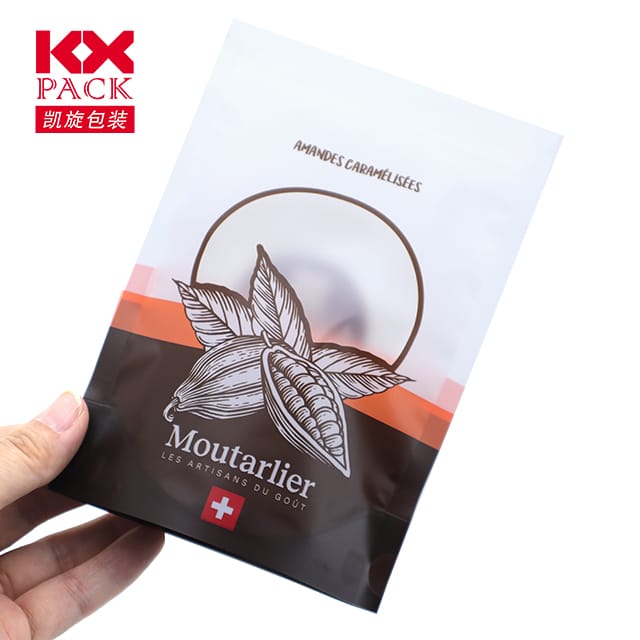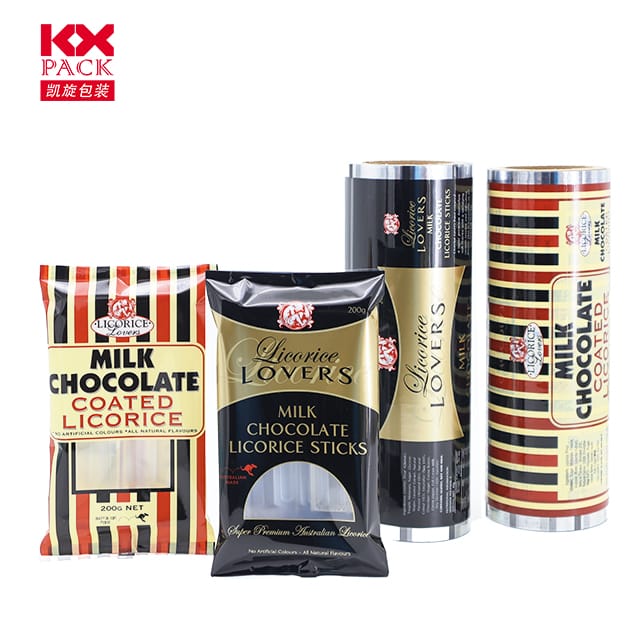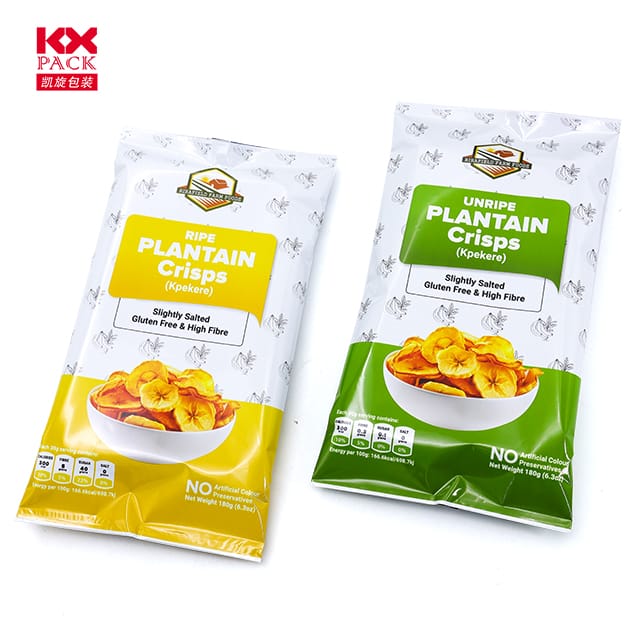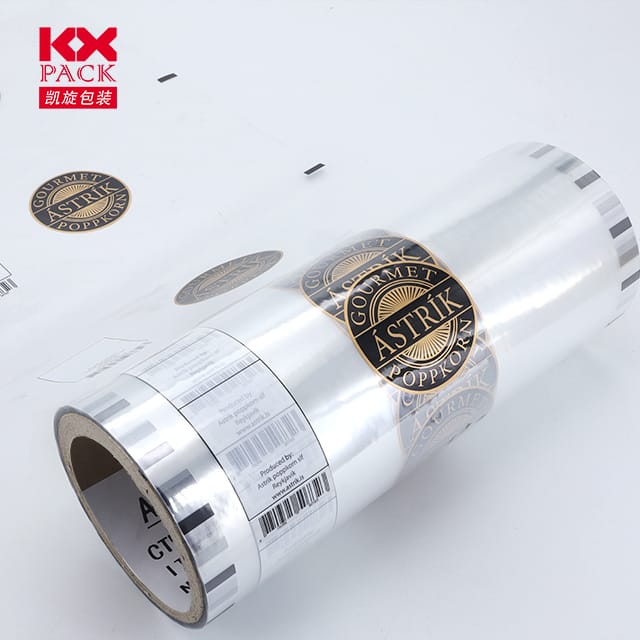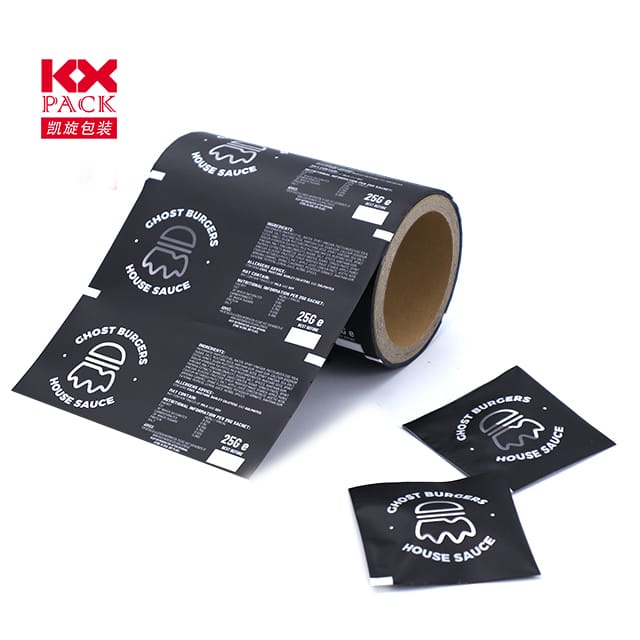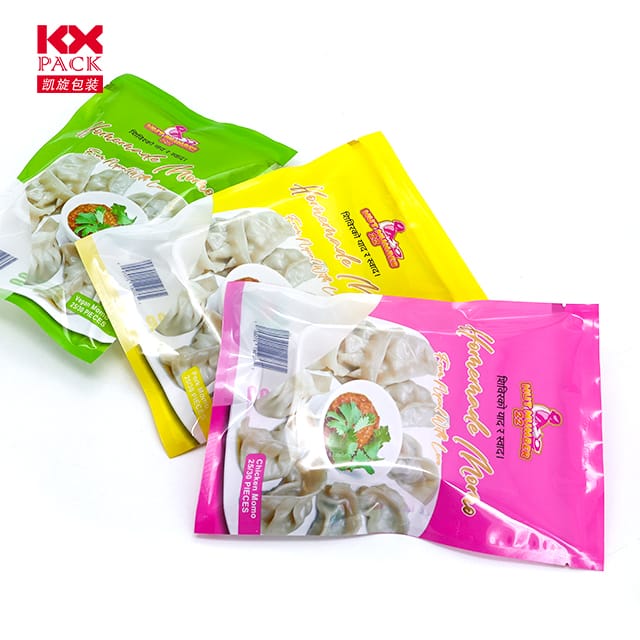
A műanyag fólia kétélű kardja az élelmiszer-csomagolásban: Kényelem vs. Fenntarthatóság
Műanyagfilm
In modern kitchens and supermarkets, plastic film for food—commonly known as cling wrap, javaslat, vagy élelmiszerfóliát – alapfelszereléssé vált. Átlátszó, nyúlós, és légzáró tulajdonságai ideálissá teszik a frissesség megőrzésére, A kiömlések megelőzése, és a maradékokat becsomagolni. Még, Ahogy a környezeti aggályok tartják, ez a mindenütt megtalálható konyhai eszköz vizsgálat előtt áll. Vizsgáljuk meg az előnyöket, hátrányok, and eco-friendly alternatives to plastic film in food storage.
1. Why Plastic Film Dominates Food Packaging
- Megőrző erő: Plastic film creates an airtight seal, slowing oxidation and bacterial growth. This extends the shelf life of produce, húsok, and cooked meals by days or even weeks.
- Sokoldalúság: From wrapping sandwiches to covering bowls, its flexibility allows it to conform to any shape.
- Költséghatékonyság: A single roll costs just a few dollars and can last months, making it a budget-friendly choice for households and restaurants.
- Higiénia: Transparent and disposable, it reduces cross-contamination risks compared to reusable containers that may not be cleaned thoroughly.
2. A műanyag fólia környezetterhelése
Despite its convenience, plastic film poses significant environmental challenges:
- Biológiailag nem lebomló: A legtöbb műanyag fólia polietilénből készül (PE), a petroleum-based material that takes 500+ évek lebontani.
- Mikroplasztikus szennyezés: When discarded improperly, it fragments into microplastics that infiltrate soil, vízi utak, and even human food chains.
- Újrahasznosítási akadályok: Many curbside recycling programs don’t accept plastic film due to contamination risks. Csak 4% az U.S. plastic wrap is recycled annually (EPA, 2021).
- Egyszer használatos kultúra: The average household uses 1,500 plastic bags/wraps yearly, most of which end up in landfills or oceans.
3. A műanyag fólia környezetbarát alternatívái
A jó hír? Sustainable swaps are readily available:
A. Méhviasz csomagolása
- Anyag: Méhviasszal bevont pamutszövet, jojobaolaj, és a fa gyanta.
- Előnyök: Legfeljebb egy évig újrafelhasználható, komposztálható, és természetesen antibakteriális.
- Legjobb For: Wrapping cheese, szendvicsek, or covering bowls.
- Drawback: Not vegan-friendly and melts near heat.
B. Szilikon élelmiszerhuzatok
- Anyag: Food-grade silicone (a synthetic rubber).
- Előnyök: Mosogatógépbiztonság, reusable for years, és hőálló (great for sous-vide cooking).
- Legjobb For: Stretching over bowls, serpenyő, or half-cut produce.
- Drawback: More expensive upfront (10–20 per set).
C. Újrahasználható szövethuzatok
- Anyag: Pamut vagy lenvászon vízálló béléssel (PÉLDÁUL., PUL fabric).
- Előnyök: Machine-washable, customizable in size, and breathable for produce.
- Legjobb For: Storing bread, herbs, or covering dough during rising.
D. Üveg vagy rozsdamentes acél tartályok
- Előnyök: Légmentesen záródó, szivárgásmentes, and infinitely recyclable.
- Legjobb For: Meal prepping, leftovers, and freezer storage.
4. How to Reduce Plastic Film Waste Today
Even if you’re not ready to ditch plastic film entirely, small changes can make a difference:
- Újrahasználat: Wash and dry plastic wrap gently to reuse it 2–3 times.
- Recycle Right: Check local programs for drop-off locations that accept plastic film (PÉLDÁUL., grocery store bins).
- Tömeges vásárlás: Avoid pre-wrapped produce; bring reusable mesh bags to the store.
- DIY alternatívák: Use a damp paper towel to keep greens fresh or store leftovers in jars.
5. Az élelmiszer-csomagolás jövője
Innovations are emerging to bridge convenience and sustainability:
- Ehető filmek: Made from starch or seaweed, Ezek a csomagolások megeszhetők vagy komposztálhatók.
- Plant-Based Plastics: Biodegradable films derived from corn or sugarcane are entering the market.
- Okos csomagolás: Sensors embedded in films could soon detect food spoilage, A hulladék csökkentése.
Végső gondolatok: Balance Is Key
Plastic film’s role in food safety and preservation is undeniable, but its environmental impact demands action. By opting for reusable alternatives when possible and disposing of plastic responsibly, we can protect both our meals and the planet.
What’s your go-to plastic film alternative? Share your tips in the comments below—let’s inspire each other to make sustainable swaps! 🌍🥪
Források: EPA, National Geographic, and sustainability blogs like Treehugger.