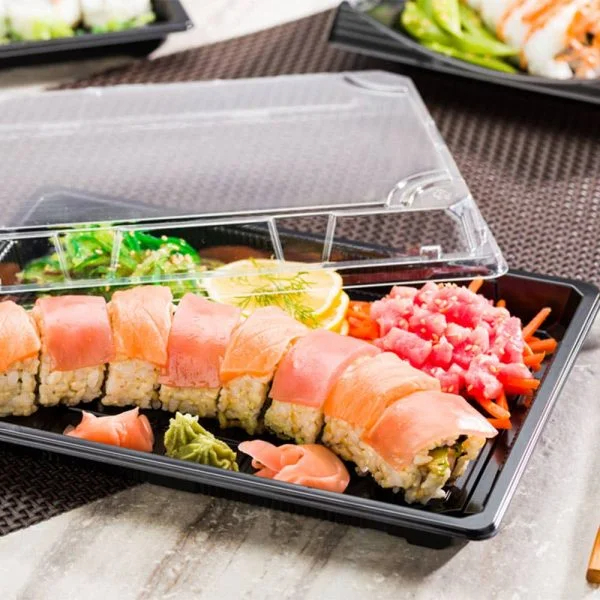
A csomagológyár teljes folyamata kiderül: Minőségellenőrzés a nyersanyagoktól a késztermékekig
A csomagolás a modern termékforgalom elengedhetetlen része, termékvédelmi feladatok ellátása, a közlekedés megkönnyítése, és a márka értékének növelése. azonban, kevés fogyasztó ismeri a csomagolás mögött meghúzódó bonyolult gyártási kapcsolatokat. A csomagológyár teljes folyamata kiderül aims to uncover the mystery of packaging production, taking you through every step from raw material procurement to finished product delivery, with a focus on the quality control measures that run through the entire process. Understanding A csomagológyár teljes folyamata kiderül not only helps us appreciate the professionalism of the packaging industry but also provides a reference for enterprises and consumers to choose reliable packaging products.
In today’s market, packaging factories are faced with diverse product demands, ranging from food and medicine to electronics and daily necessities, each requiring packaging that meets specific standards. A csomagológyár teljes folyamata kiderül shows that a standardized packaging production process is not a simple assembly line operation but a systematic project involving multiple links, strict specifications, and continuous quality monitoring. Every link in the process is closely linked, and any oversight may affect the final quality of the packaging, thereby endangering the safety of the packaged products. Ebből adódóan, A csomagológyár teljes folyamata kiderül is not only a display of production steps but also a interpretation of the industry’s pursuit of quality and safety.
This article will take a comprehensive packaging factory as an example, focusing on the core links of packaging production and the quality control points embedded in each link. Through A csomagológyár teljes folyamata kiderül, we will analyze how raw materials are screened, how semi-finished products are processed, how finished products are tested, and how the entire process is managed to ensure consistency and reliability. Whether you are engaged in the packaging industry, a product manufacturer looking for a cooperative packaging factory, or a consumer concerned about product packaging safety, A csomagológyár teljes folyamata kiderül will bring you valuable insights.
1. Raw Material Procurement and Inspection: The First Gate of Packaging Factory Whole Process Revealed
The quality of packaging starts with raw materials, which is the foundation of the entire production process. A csomagológyár teljes folyamata kiderül makes it clear that raw material procurement and inspection are not optional links but the first line of defense for quality control. Packaging factories need to establish strict supplier evaluation systems and only cooperate with qualified suppliers that meet national standards and industry requirements. Common packaging raw materials include paper, műanyag, fém, üveg, and composite materials, each with different quality standards and inspection methods.
For paper-based packaging materials such as corrugated paper and cardboard, A csomagológyár teljes folyamata kiderül highlights key inspection indicators such as grammage, vastagság, compressive strength, and water resistance. These indicators directly affect the load-bearing capacity and moisture resistance of the final carton. During inspection, professional equipment is used to test the physical properties of the paper, and unqualified raw materials are firmly rejected. Például, corrugated paper used for express packaging must meet the specified compressive strength to avoid deformation or damage during transportation, which is strictly controlled in the raw material inspection link of A csomagológyár teljes folyamata kiderül.
Plastic packaging materials, especially those used for food and medicine, have higher safety requirements. A csomagológyár teljes folyamata kiderül shows that the inspection of plastic raw materials focuses on harmful substance content, such as heavy metals, lágyítók, and volatile organic compounds (VOCS). Only materials that meet food-grade or pharmaceutical-grade standards can enter the production process. Továbbá, the toughness, átláthatóság, and heat resistance of plastic materials are also tested to ensure they are suitable for subsequent processing and product use scenarios.
Metal and glass materials, commonly used for high-end packaging or canned products, are inspected for surface smoothness, corrosion resistance, and structural integrity. A csomagológyár teljes folyamata kiderül points out that metal materials need to be tested for coating adhesion to prevent rust or coating peeling; glass materials must be free of bubbles, cracks, and other defects to avoid breakage during transportation. Egy időben, all raw materials must be accompanied by quality inspection reports, and packaging factories will conduct sampling re-inspection to ensure that the actual quality is consistent with the report.
It is worth noting that A csomagológyár teljes folyamata kiderül also includes the management of raw material storage. Different raw materials have different storage requirements: paper materials need to be stored in a dry, well-ventilated environment to prevent moisture; plastic materials should be avoided from direct sunlight to prevent aging; metal materials need to be anti-corrosion treated. Reasonable storage management ensures that raw materials maintain their original quality before entering production, laying a solid foundation for subsequent quality control.
2. Processing and Forming: Core Production Links in Packaging Factory Whole Process Revealed
After passing the raw material inspection, the packaging enters the processing and forming stage, which is the core part of A csomagológyár teljes folyamata kiderül. This stage involves multiple processes, and the operation level and process control directly determine the appearance, szerkezet, and performance of the packaging. Different packaging types have different processing technologies, and we will take common carton packaging, plastic packaging, and composite packaging as examples to elaborate on the processing process and quality control points.
For carton packaging, the processing and forming process mainly includes printing, stancolt, gluing, and folding. A csomagológyár teljes folyamata kiderül shows that printing is not only a decorative link but also a process that requires strict quality control. The color accuracy, világosság, and position accuracy of the pattern are key inspection indicators. Packaging factories use professional color management systems to ensure that the printed pattern is consistent with the design draft, and there is no color difference, blur, vagy eltolódást. After printing, the paperboard enters the die-cutting process, where a die-cutting machine cuts the paperboard into the required shape according to the design drawings. The precision of die-cutting directly affects the folding effect of the carton, so the die-cutting knife mold needs to be calibrated regularly, and the die-cutting effect is inspected item by item.
Gluing and folding are the final steps of carton forming.A csomagológyár teljes folyamata kiderül emphasizes that the amount of glue and gluing position must be accurate: too little glue will lead to poor bonding and easy detachment of the carton; too much glue will cause overflow and affect the appearance. Egy időben, the folding angle and size of the carton must meet the design requirements, and the flatness and firmness of the formed carton are inspected. For large-batch carton production, packaging factories will use automated production lines to improve efficiency, and set up online inspection points to timely find and correct unqualified products.
For plastic packaging, the common processing technologies include blow molding, fröccsöntés, and thermoforming. A csomagológyár teljes folyamata kiderül points out that blow molding is mainly used for the production of plastic bottles and barrels, and the key control points include the thickness uniformity of the bottle wall, the smoothness of the bottle mouth, and the airtightness. Gyártás közben, the temperature, nyomás, and speed of the blow molding machine are strictly controlled to ensure that the plastic is fully melted and formed. After forming, the plastic bottles are inspected for airtightness by water pressure or air pressure testing to prevent leakage. Injection molding is suitable for the production of plastic boxes, fedők, és egyéb termékek, and the quality control focuses on the surface finish, dimensional accuracy, and no shrinkage or deformation of the product.
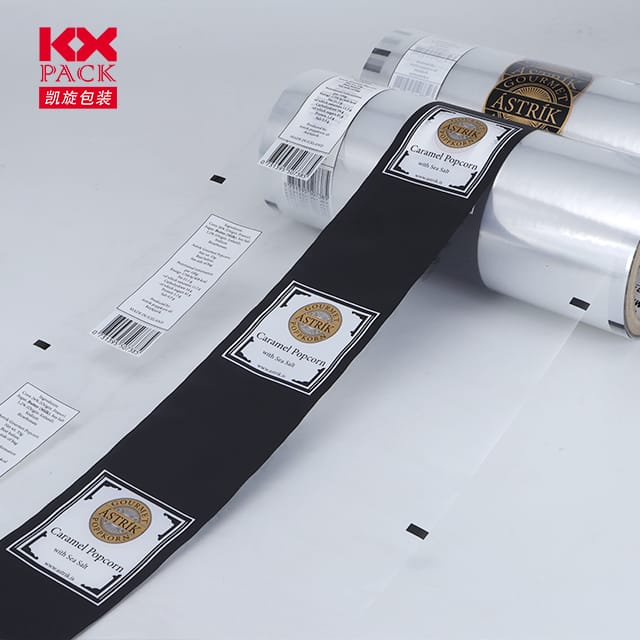
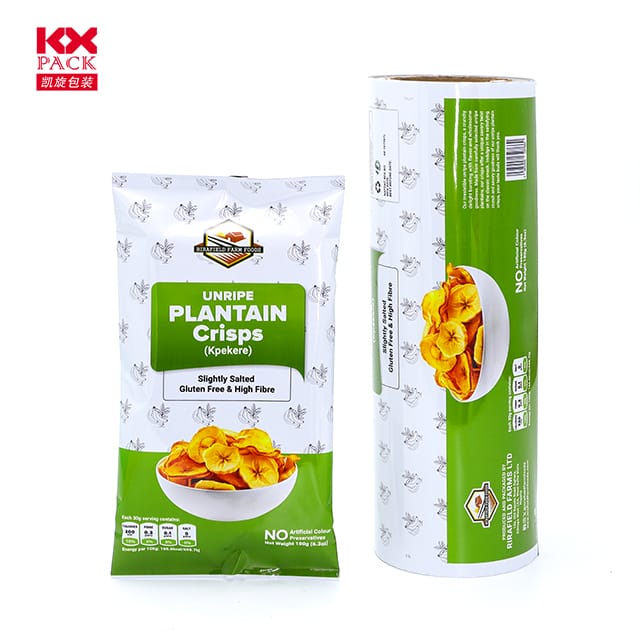
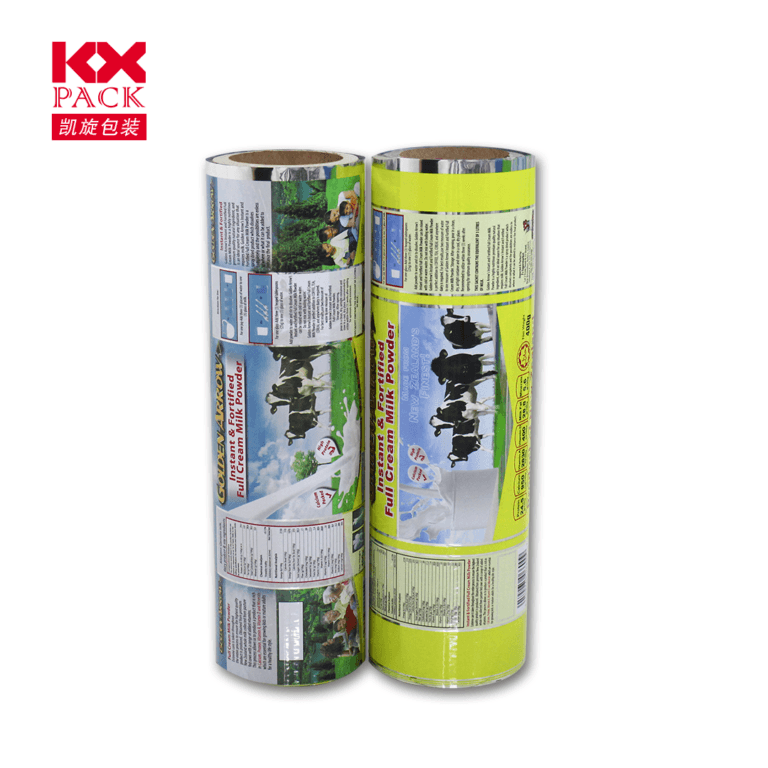
Composite packaging, which is widely used in food and medicine packaging, is made by combining multiple materials such as plastic film, alumínium fólia, and paper through compounding technology. A csomagológyár teljes folyamata kiderül shows that the compounding process requires strict control of temperature, nyomás, and speed to ensure that the layers of materials are firmly bonded without delamination. After compounding, the composite film is inspected for peeling strength, akadályteljesítmény, and heat-sealing performance. Barrier performance is particularly important for food packaging, as it can prevent oxygen, nedvesség, and other substances from entering the package, extending the shelf life of the food. Packaging factories use professional testing equipment to detect the barrier performance of composite films, ensuring that they meet the corresponding standards.
3. Quality Inspection and Testing: Strict Screening in Packaging Factory Whole Process Revealed
Quality inspection and testing run through the entire packaging production process, and it is a key link to ensure that the final product meets the standards. A csomagológyár teljes folyamata kiderül shows that packaging factories implement a three-level inspection system: self-inspection by operators, mutual inspection by teams, and special inspection by quality inspectors, forming a full coverage of quality supervision. In addition to the online inspection in each processing link, the finished products also need to undergo comprehensive offline testing to ensure that all indicators meet the requirements.
The finished product inspection of packaging includes appearance inspection, structural inspection, performance inspection, and safety inspection. A csomagológyár teljes folyamata kiderül points out that appearance inspection mainly checks whether the packaging has defects such as scratches, foltok, color differences, and deformation; structural inspection focuses on the firmness of bonding, the accuracy of size, and the rationality of structure; performance inspection varies according to the packaging type, such as the compressive strength of cartons, the airtightness of plastic bottles, and the barrier performance of composite films; safety inspection is mainly for packaging used in food, gyógyszer, and other fields, focusing on the content of harmful substances and compliance with safety standards.
To ensure the accuracy of inspection results, packaging factories are equipped with a variety of professional testing equipment. A csomagológyár teljes folyamata kiderül introduces common testing equipment: carton compressive testing machines are used to test the compressive capacity of cartons; airtightness testing machines detect the leakage of plastic bottles and cans; tensile testing machines test the peeling strength and tensile strength of composite materials; gas chromatographs are used to detect the content of harmful substances in packaging materials. These equipment provide scientific data support for quality inspection, ensuring that unqualified products do not flow out of the factory.
In addition to finished product inspection, A csomagológyár teljes folyamata kiderül also includes process inspection and random inspection. Process inspection is carried out in each processing link to timely find and solve problems in the production process, avoiding the accumulation of defects. Random inspection is conducted on raw materials, semi-finished products, and finished products according to a certain proportion, which can effectively monitor the stability of the production process. If unqualified products are found during inspection, packaging factories will take measures such as rework, scrapping, and tracing the cause to prevent similar problems from recurring.
It is worth mentioning that with the development of intelligent manufacturing, more and more packaging factories are introducing intelligent inspection equipment. A csomagológyár teljes folyamata kiderül shows that machine vision inspection systems can quickly identify appearance defects such as color difference, scratch, and misalignment, with higher efficiency and accuracy than manual inspection. Intelligent inspection not only improves the quality control level but also reduces the impact of human factors, making the inspection results more objective and reliable.
4. Storage and Delivery: The Final Link of Packaging Factory Whole Process Revealed
After passing the quality inspection, the finished packaging products enter the storage and delivery stage, which is the final link of A csomagológyár teljes folyamata kiderül. This stage is often overlooked, but unreasonable storage or improper transportation may damage the packaged products that have passed the inspection, affecting the final use effect. Ebből adódóan, A csomagológyár teljes folyamata kiderül also includes strict management requirements for storage and delivery.
In terms of storage, packaging products need to be classified and placed according to their types, specifications, and batches.A csomagológyár teljes folyamata kiderül points out that carton products should be stacked neatly, and the stacking height should be controlled to avoid crushing the lower cartons; plastic packaging products should be placed separately to prevent scratching or deformation; composite packaging films need to be rolled and stored to avoid folding and creasing. Egy időben, the warehouse should maintain a suitable temperature and humidity, avoid direct sunlight and moisture, and install fire-fighting equipment and anti-rat measures to ensure the safety of the packaging products.
Before delivery, packaging factories need to conduct final sampling inspection of the products to ensure that the quality is consistent with the inspection results. A csomagológyár teljes folyamata kiderül shows that the delivery link also needs to pay attention to packaging and fixing: the finished packaging products should be packed in appropriate outer packaging to prevent damage during transportation; for fragile packaging such as glass, shockproof materials should be added; during loading and unloading, gentle operation is required to avoid rough handling. Egy időben, packaging factories will track the transportation process and communicate with logistics companies in a timely manner to solve problems that may arise during transportation.
Továbbá, A csomagológyár teljes folyamata kiderül also includes after-sales service management. If the customer finds quality problems with the packaging products after receiving them, the packaging factory will send personnel to investigate and deal with them in a timely manner, and take corresponding measures such as replacement, compensation, or process improvement according to the cause of the problem. Perfect after-sales service not only protects the customer’s rights and interests but also helps the packaging factory find potential problems in the production process and continuously improve the quality level.
The Significance of Standardized Processes in Packaging Factory Whole Process Revealed
A csomagológyár teljes folyamata kiderül is not only a display of production links but also a reflection of the importance of standardized processes for the packaging industry. For packaging factories, standardized processes can improve production efficiency, reduce production costs, and ensure the stability of product quality. By strictly implementing the process requirements in each link, packaging factories can avoid the waste of raw materials and the rework of unqualified products, thereby improving economic benefits. Egy időben, standardized processes help packaging factories pass industry certifications such as ISO9001 quality management system, enhancing their market competitiveness.
For product manufacturers, megértés A csomagológyár teljes folyamata kiderül and choosing packaging factories with standardized processes can ensure the safety and reliability of product packaging. Whether it is food, gyógyszer, or electronic products, reliable packaging can reduce the loss of products during transportation and storage, protect the brand image of the enterprise. Például, food manufacturers need to choose packaging factories that strictly control the safety of raw materials and the barrier performance of packaging to ensure that food does not deteriorate; electronic product manufacturers need packaging with good shockproof performance to avoid damage to the products.
A fogyasztók számára, A csomagológyár teljes folyamata kiderül helps them establish a correct understanding of product packaging. High-quality packaging is not only beautiful in appearance but also has reliable performance and safety guarantees. By understanding the production process and quality control of packaging, consumers can better judge the quality of product packaging and make more rational consumption choices. Egy időben, A csomagológyár teljes folyamata kiderül also promotes consumers’ attention to the environmental performance of packaging, encouraging the packaging industry to develop in a green, low-carbon direction.
For the whole society, the standardized development of packaging factory processes is conducive to promoting the high-quality development of the packaging industry, reducing environmental pollution, and protecting resources. A csomagológyár teljes folyamata kiderül shows that more and more packaging factories are focusing on green production, using environmentally friendly raw materials, optimizing production processes, and reducing energy consumption and waste emissions. This not only meets the requirements of national environmental protection policies but also contributes to the construction of a circular economy.
Következtetés
A csomagológyár teljes folyamata kiderül shows us that a piece of qualified packaging product is the result of the joint action of multiple links, from raw material procurement and inspection to processing and forming, from quality testing to storage and delivery, every link is indispensable. The quality control measures running through the entire process are the key to ensuring the reliability of packaging products, reflecting the responsibility and pursuit of the packaging industry for quality and safety.
With the continuous development of the market, consumers have higher and higher requirements for product packaging, and the packaging industry is facing more severe challenges and opportunities. A csomagológyár teljes folyamata kiderül tells us that only by adhering to standardized production, strengthening quality control, and continuously optimizing processes can packaging factories gain a foothold in the market. Egy időben, with the integration of intelligent manufacturing and green production concepts, the packaging production process will be more efficient, environmentally friendly, and reliable.
We hope that through A csomagológyár teljes folyamata kiderül