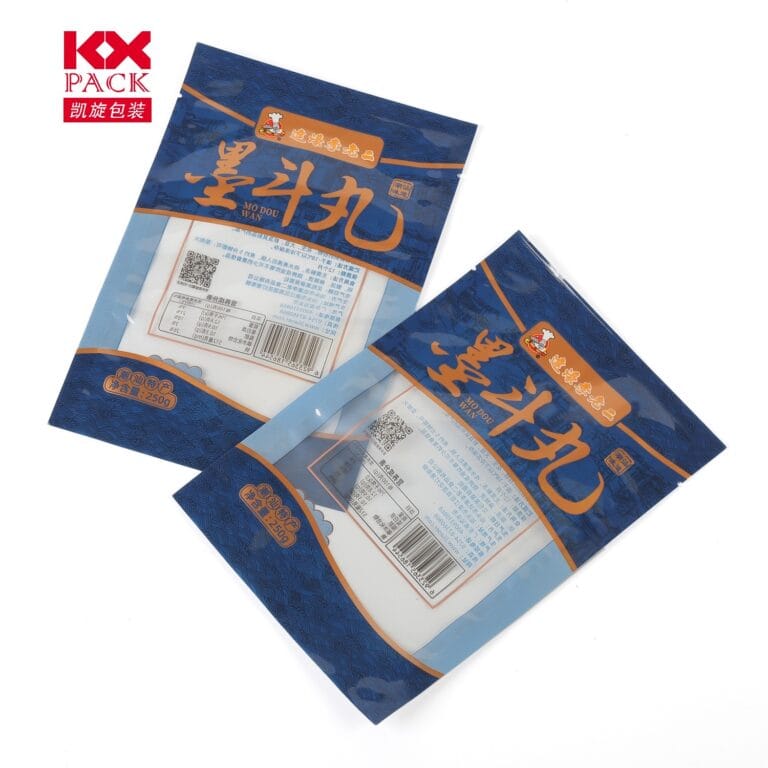
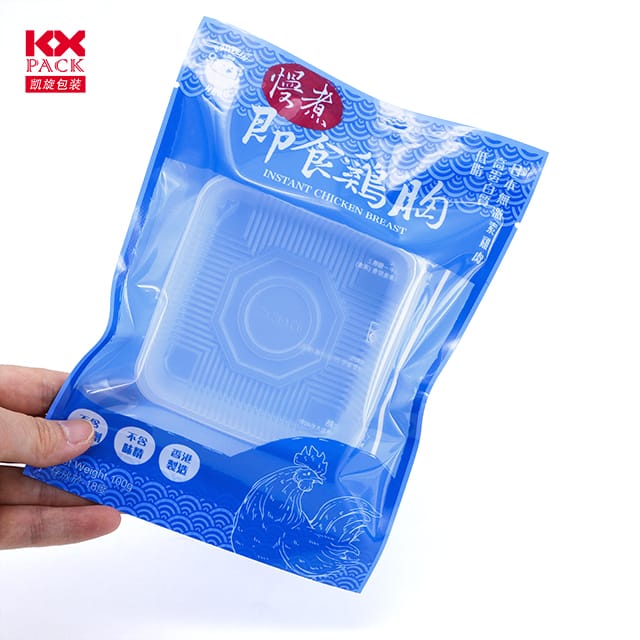
Az élelmiszer-minőségű tasakok és csomagolótekercsek végső útmutatója: A frissesség és a megfelelőség megőrzése
Ha a tömeggyártású élelmiszerekről van szó, a megfelelő rugalmas csomagolás kiválasztása nem csupán tervezési döntés – ez egy kritikus üzleti döntés. Ha Ön élelmiszermárka tulajdonos, beszerzési szakember, vagy snack gyártó, a csomagolásnak három dolgot kell hibátlanul elvégeznie: fenntartani a termék eltarthatóságát, szigorú élelmiszerbiztonsági előírásokat betartani, és zökkenőmentesen működnek a nagy sebességű automatizált gépeken.
A modern élelmiszer-ellátási láncot két leghatékonyabb formátum uralja élelmiszer minőségű tasakok és élelmiszer csomagoló tekercsek (más néven rollstock).
De hogyan válasszon az előre elkészített tasak és az automatizált tekercs között? Milyen műszaki előírások akadályozzák meg a nedvesség és az oxigén bejutását? Ebben az átfogó útmutatóban, lebontjuk a mechanikát, anyagi szerkezetek, és az alapvető csomagolási formátumok mögött meghúzódó szabályozási szabványok, amelyek segítenek optimalizálni a gyártósort.
Az alapvető összetevők megértése
Mielőtt belemerülne a működési hatékonyságba, határozzuk meg, hogy pontosan mivel dolgozunk, és hogyan illeszkednek az ipari élelmiszergyártásba.
Mi az az élelmiszer-minőségű tasak?
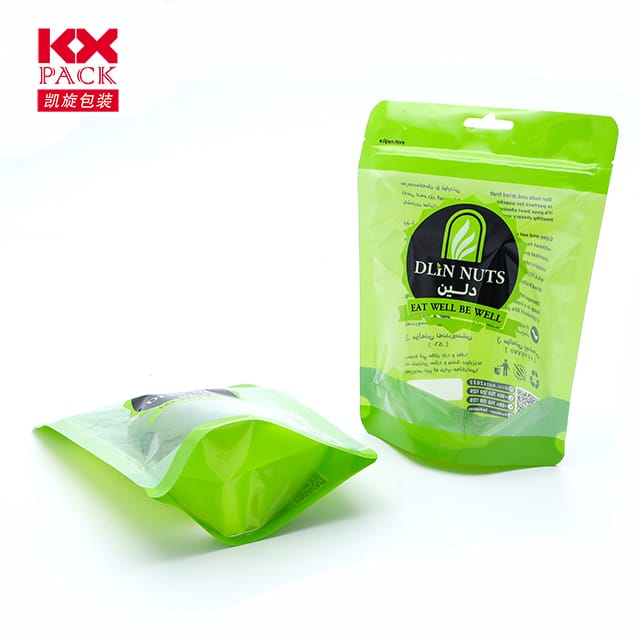
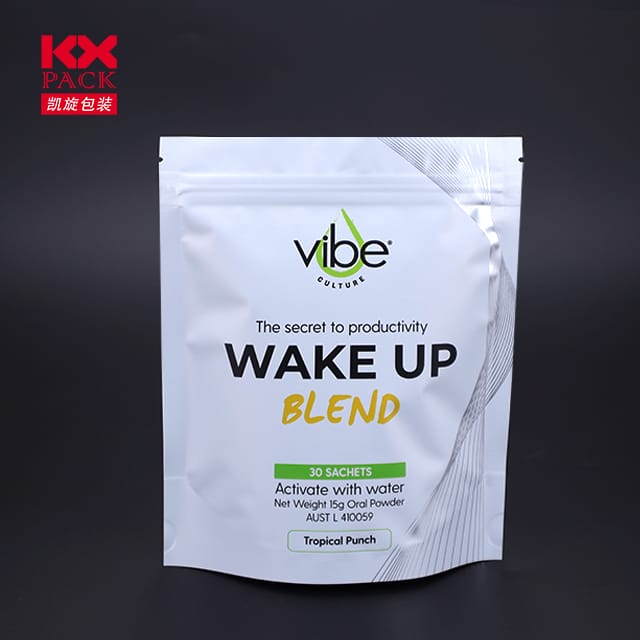
A élelmiszer minőségű tasakok egy kicsi, lezárt tasak, amelyet jellemzően egyszeri adagokhoz használnak, mintacsomagok, vagy fűszereket. Gondolj a kávérudakra, cukorcsomagok, fűszerkeverékek, és tápláló porok. A kifejezés “élelmiszer minőségű” azt jelenti, hogy a termékkel közvetlenül érintkező belső réteg teljesen nem mérgező és kémiailag inert, biztosítva, hogy káros anyagok ne kerüljenek az élelmiszerbe.
Mi az az élelmiszercsomagoló tekercs?
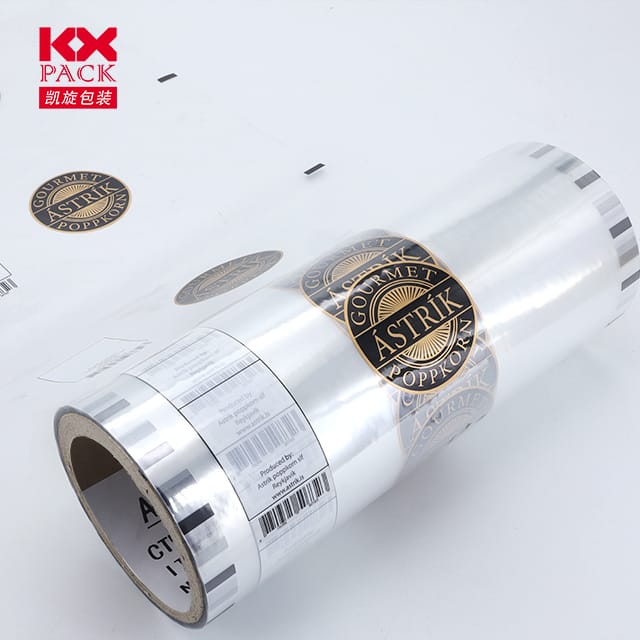
A élelmiszer csomagoló tekercsek (vagy rollstock fóliát) a folyamatos, formázatlan nyomtatott anyag egy mag köré tekercselt. Kifejezetten Form-Fill-Seal-hez tervezték (FFS) gépek. Az automatizált gépek lehúzzák a fóliát a tekercsről, tasakot vagy tasakot formáz, beleejti az élelmiszert, és hővel lezárja – mindezt egyetlen zökkenőmentesen, nagy sebességű működés.
Anyagmérnökség: A többrétegű akadály
Az egyrétegű műanyagok ritkán vágják a kereskedelmi élelmiszer-csomagolásokban. Az élelmiszerek megóvása a környezeti nedvességtől, ultraibolya fény, és oxigén, a gyártók koextrudált vagy laminált szerkezeteket használnak. Minden réteg egy nagyon specifikus funkciót lát el:
- Külső réteg (KEDVENC / BOPP): Ez a nyomtatási hordozó. Kiváló szakítószilárdságot kínál, magas hőállóság (így nem olvad meg a lezárás során), és fényes vagy matt felület a márkajelzéshez.
- Barrier Layer (AL / VMPET / EVOH): Ez a pajzs. Alumínium fólia (AL) szinte tökéletes gátat biztosít a fénnyel és a gázzal szemben, de költséges lehet. Vákuumos fémezett PET (VMPET) költséghatékony alternatívát kínál kiváló fényvisszaverő tulajdonságokkal, míg EVOH kiválóan alkalmas átlátszó csomagoláshoz, ahol nagy oxigénállóságra van szükség.
- Belső élelmiszerrel érintkező réteg (PE / CPP): A tömítő réteg. Lineáris alacsony sűrűségű polietilén (Llde) és Öntött polipropilén (CPP) alacsonyabb olvadáspontjuk van, lehetővé teszi számukra, hogy hő és nyomás alatt biztonságosan összeolvadjanak, hogy légmentesen zárjanak a külső rétegek veszélyeztetése nélkül.

Főbb különbségek: Előre elkészített tasakok vs. Automatizált Rollstock
Ha növeli a termelést, sarkalatos mérföldkő annak eldöntése, hogy kész tasakot vagy befektetésigényes hengerelt gépet vásároljunk-e.
| Funkció | Élelmiszer-minőségű tasakok (Előre elkészített) | Élelmiszer-csomagoló tekercsek(Rollstock) |
| Kezdeti befektetés | Alacsony. Nincs szükség bonyolult FFS gépekre. | Magas. Automatizált csomagolósorokat igényel. |
| Gyártási sebesség | Lassabban (kézi vagy félautomata töltés). | Ultragyors (több száz egység percenként). |
| Anyaghulladék | Minimális indítási hulladék. | Mérsékelt beállítási veszteség a kalibrálás során. |
| Egységköltség | Magasabb egységár. | Lényegesen alacsonyabb fajlagos költség méretarányosan. |
| Legjobban használható | Piaci tesztelés, rövid futások, változatos SKU-vonalak. | Nagy mennyiségű tűzőkapcsok, folyamatos gyártás. |
Szigorú megfelelés: Mi “Élelmiszer-minőség” Tényleg azt jelenti
Nem engedheti meg magának a parancsikonokat, ha a nemzetközi élelmiszer-egészségügyi szabványokról van szó. Amikor megbízható gyártó partnert keres a csomagolásához, ellenőriznie kell, hogy létesítményük és nyersanyagaik érvényes tanúsítvánnyal rendelkeznek.
Minimum, az anyagoknak meg kell felelniük FDA (Élelmiszer- és Gyógyszerügyi Hatóság) élelmiszerekkel való érintkezésre vonatkozó előírások. Európába exportáló márkák számára, betartását EU-keretrendelet (EC) Nem 1935/2004 kötelező. Továbbá, alatt működő beszállítókat keressen BRCGS (British Retail Consortium Global Standard) vagy ISO 22000 élelmiszerbiztonsági irányítási rendszerek.
Mindig kérjen hivatalos nyilatkozatot szállítójától Megfelelőségi nyilatkozat (DoC) és nehézfém-migrációs tesztjelentések a tömeggyártás megkezdése előtt.
Gyakori buktatók a tasak és a rollstock beszerzésben
Több évtizedes gyári padlóproblémák kezelése, látjuk, hogy ugyanazok a hibák ismétlődnek. Kerülje el ezt a három gyakori mulasztást:
1. Rossz súrlódási együttható (COF)
Ha az élelmiszercsomagoló tekercs COF-értéke túl magas vagy túl alacsony, nem fog megfelelően adagolni az automata csomagológépeken. A csúszás hibás vágást okoz, miközben a túlzott súrlódás lefelé húzza a gépet, elakadásokat és könnyeket okozva.
2. Nem megfelelő hőszigetelési szilárdság
Porszerű vagy olajos élelmiszerek (mint a kollagénporok vagy salátaöntetek) szennyezheti a tömítési területet a nagy sebességű töltés során. Ha a belső PE vagy CPP réteget nem úgy tervezték, hogy tömítsen keresztül szennyeződés, mikroszkopikus szivárgásokkal jár, amelyek tönkreteszik az eltarthatóságot.
3. A tárolási környezet figyelmen kívül hagyása
A rugalmas csomagolóanyagok használatuk előtt érzékenyek a szélsőséges hőmérsékletekre és páratartalomra. A tekercsek tárolása nedves helyen, A kondicionálatlan raktár a rétegek leválását okozhatja, vagy tönkreteheti a tiszta nyomtatáshoz szükséges felületi feszültséget.
Következtetés: A megfelelő stratégiai lépés megtétele
Választás az előre elkészített termékek közül élelmiszer minőségű tasakok és automatizált élelmiszer csomagoló tekercsek a jelenlegi termelési mennyiségre és a hosszú távú skálázási stratégiára vezethető vissza. Feltörekvő márkákhoz vagy limitált kiadású termékcsaládokhoz, Az előre elkészített tasakok csökkentik az előzetes gépi kockázatot. Bevett gyártóknak, akik csökkenteni szeretnék az egységköltségeket és maximalizálni a napi teljesítményt, a prémium rollstockba és az automatizált FFS-rendszerekbe való befektetés az aranystandard.
Ügyeljen arra, hogy egy tapasztalt partnerrel működjön együtt, minősített csomagológyár, amely ért az anyagtudományhoz, migrációs határok, és gép kompatibilitás. Rendezze meg a megfelelő csomagolást, és a benne lévő termék gondoskodni fog magáról.