Rugalmas csomagolófólia: A fenntartható és sokoldalú csomagolási megoldások jövője
Rugalmas csomagolófólia
A mai rohanó fogyasztói világban, a csomagolás kulcsszerepet játszik a termékek védelmében, meghosszabbítja az eltarthatóságot, és a márka vonzerejének javítása. A különféle csomagolási lehetőségek közül, rugalmas csomagolófólia játékváltóvá vált, páratlan sokoldalúságot kínál, fenntarthatóság, és funkcionalitás. Élelmiszerektől és italoktól a gyógyszerekig és testápolási termékekig, flexible films are revolutionizing how we package and consume goods. Let’s dive into what makes this material so innovative and why it’s becoming the preferred choice for businesses worldwide.
What Is Flexible Packaging Film?
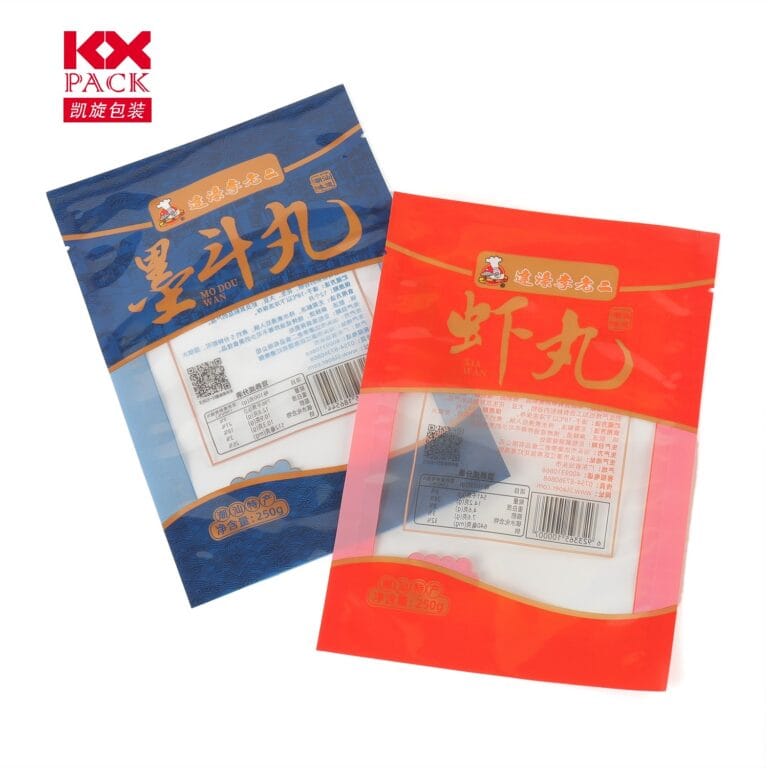
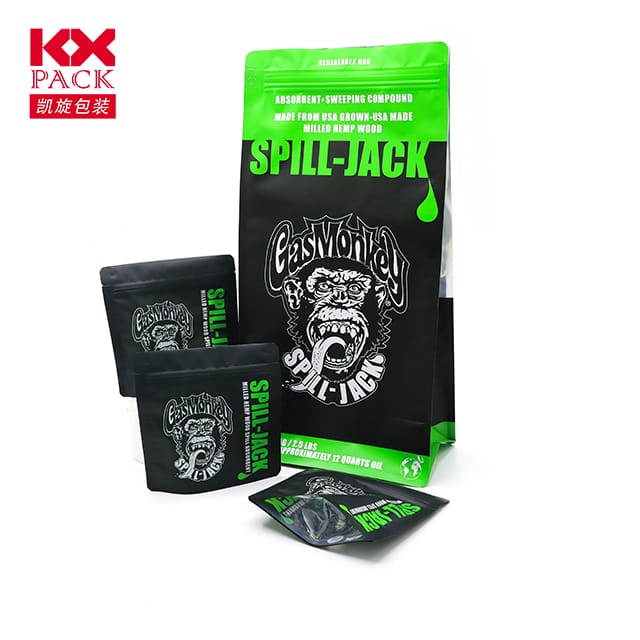
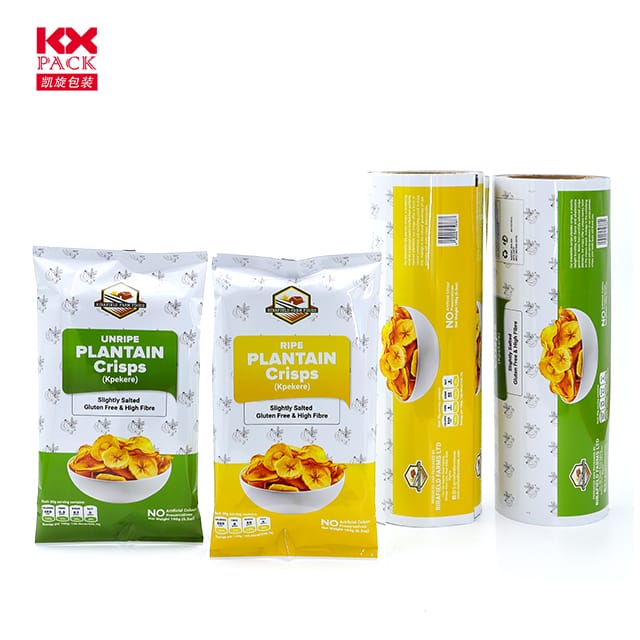
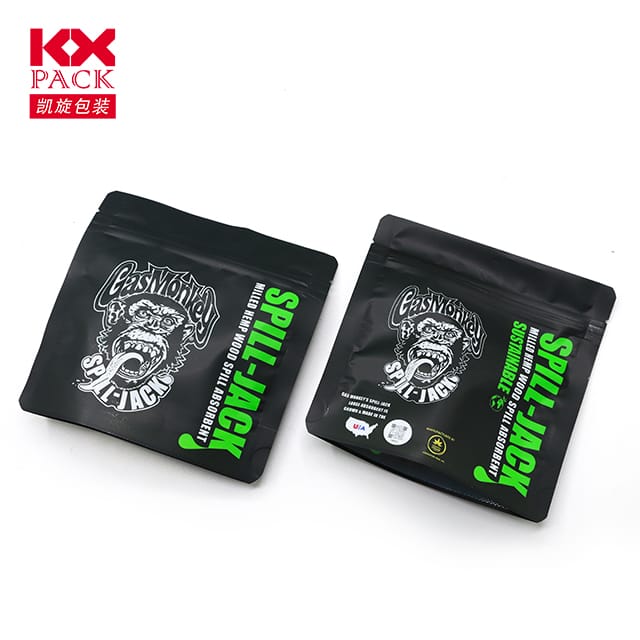
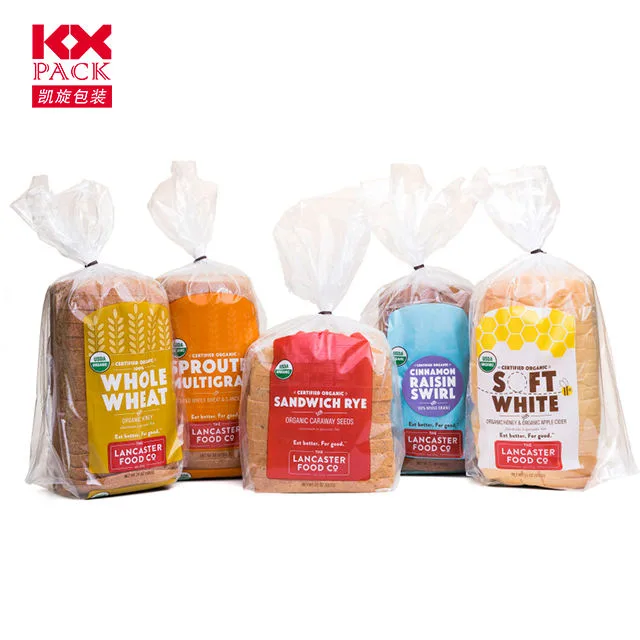
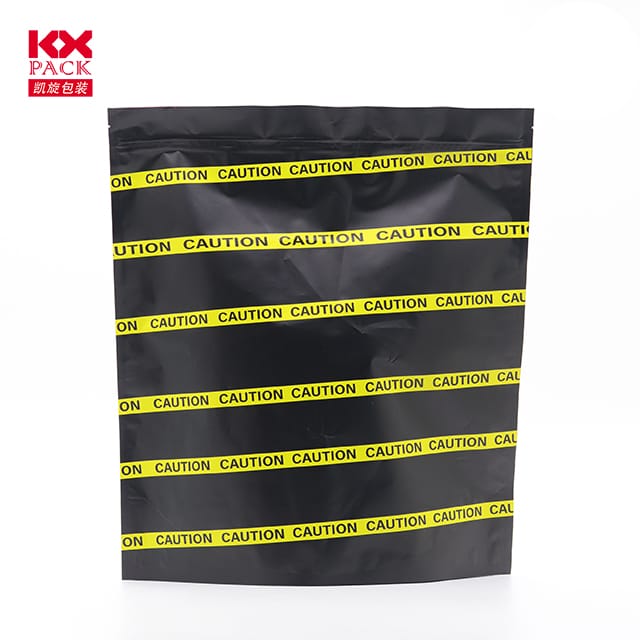
Flexible packaging film refers to a type of packaging made from lightweight, pliable materials such as plastic, alumínium fólia, vagy biológiailag lebomló polimerek. Ellentétben a merev csomagolással (PÉLDÁUL., üvegedények vagy fémdobozok), flexible films can be molded, folded, or sealed into various shapes and sizes, making them ideal for a wide range of applications. Common examples include stand-up pouches, uzsonnás zacskók, kávé csomagolás, and even medical wraps.
Key Features of Flexible Packaging Film:
- Könnyűsúlyú: Reduces shipping costs and carbon footprint.
- Tartós: Resistant to tears, defektek, és nedvesség.
- Testreszabható: Available in different thicknesses, színek, és befejezi (PÉLDÁUL., matt, fényes, vagy fémes).
- Akadálytulajdonságok: Can be engineered to block oxygen, fény, or odors, a termék frissességének megőrzése.
- Printable: High-quality graphics and branding can be directly printed onto the film.
A rugalmas csomagolás felemelkedése: Market Trends and Drivers
The global flexible packaging market is experiencing exponential growth, driven by several key factors:
1. Fenntarthatósági igények
Consumers and governments are increasingly prioritizing eco-friendly packaging solutions. Flexible films address this by:
- Reducing Material Waste: Thinner films use less raw material compared to rigid alternatives.
- Újrahasznosíthatóság: Sok rugalmas fólia ma már újrahasznosítható vagy komposztálható, thanks to advancements in bioplastics and chemical recycling technologies.
- Lower Carbon Footprint: Lightweight packaging requires less energy to transport, reducing greenhouse gas emissions.
2. Kényelem és hordozhatóság
Modern lifestyles demand packaging that is easy to carry, open, and reseal. Flexible films excel in this area with features like:
- Resealable Zippers: Ideal for snacks and granola bars.
- Kifolyó tasakok: Perfect for liquids like juices or sauces.
- Single-Serve Packets: Popular in the foodservice and travel industries.
3. Termékvédelem és eltarthatósági idő meghosszabbítása
Flexible films can be tailored with advanced barrier layers to protect products from:
- Oxygen and Moisture: Preventing food spoilage and maintaining crispness.
- UV Light: Shielding sensitive products like pharmaceuticals from degradation.
- Contamination: Ensuring hygiene in medical and food packaging.
4. Költséghatékonyság
For manufacturers, flexible packaging offers significant cost savings:
- Lower Production Costs: Films are cheaper to produce than rigid containers.
- Efficient Storage: Flexible packaging takes up less space in warehouses and on shelves.
- Reduced Shipping Costs: Lighter packages mean lower transportation expenses.
Applications of Flexible Packaging Film Across Industries
1. Étel és Ital
- Friss termék: Breathable films extend the shelf life of fruits and vegetables.
- Snackek: Chips, diófélék, and candies are packaged in vibrant, resealable pouches.
- Coffee and Tea: High-barrier films preserve flavor and aroma.
- Tejtermékek: Yogurt cups and cheese wraps benefit from moisture-resistant films.
2. Gyógyszerészet és egészségügy
- Buborékcsomagolás: Flexible films protect pills and tablets from humidity and contamination.
- Orvosi eszközök: Sterile packaging ensures the safety of surgical tools and implants.
- Transdermal Patches: Adhesive films deliver medication through the skin.
3. Testápolás és kozmetika
- Sampon és lotion tasakok: Space-saving alternatives to traditional bottles.
- Makeup Wipes: Individually wrapped wipes stay moist and hygienic.
- Toothpaste Tubes: Flexible laminates reduce plastic waste compared to rigid tubes.
4. Ipari és Mezőgazdasági
- Fertilizers and Chemicals: Durable films prevent leaks and corrosion.
- Animal Feed: UV-resistant bags protect contents from sunlight.
- Construction Materials: Waterproof wraps shield building supplies from the elements.
Innovations in Flexible Packaging Film Technology
The industry is constantly evolving, with new materials and processes pushing the boundaries of what’s possible:
1. Biológiailag lebontható és komposztálható filmek
Companies are developing films made from plant-based materials like cornstarch, cukornád, vagy cellulóz. These films break down naturally, a műanyagszennyezés csökkentése.
2. Aktív és intelligens csomagolás
Smart films incorporate sensors or indicators to monitor product freshness, hőfok, or tampering. Például:
- Idő-hőmérsékleti mutatók (Apu): Change color if a product has been exposed to unsafe temperatures.
- Oxigénszigetelők: Absorb excess oxygen to prevent food spoilage.
3. High-Barrier Nanocomposites
Nanotechnology is being used to create ultra-thin films with exceptional barrier properties, allowing for thinner packaging without compromising performance.
4. Digitális Nyomtatás
Advances in digital printing enable high-resolution, on-demand branding, reducing waste and enabling smaller production runs.
Kihívások és az előző út
Despite its many advantages, flexible packaging film faces some challenges:
- Újrahasznosítási infrastruktúra: Many communities lack the facilities to process multi-layered flexible films.
- Fogyasztói észlelés: Some still associate plastic packaging with environmental harm, even when eco-friendly alternatives exist.
- Cost of New Materials: Biodegradable films can be more expensive than traditional plastics, though prices are expected to decline as adoption grows.
azonban, the industry is actively addressing these issues through:
- Collaboration with Recyclers: Developing standardized recycling programs for flexible packaging.
- Education Campaigns: Informing consumers about the benefits of sustainable flexible films.
- Government Incentives: Policies that encourage the use of recyclable or compostable materials.
Következtetés: Why Flexible Packaging Film Is Here to Stay
Flexible packaging film represents a perfect blend of innovation, fenntarthatóság, and practicality. As consumer preferences shift toward eco-friendly and convenient solutions, this versatile material is poised to dominate the packaging landscape. Whether you’re a brand looking to reduce your environmental impact or a consumer seeking practical, high-quality packaging, flexible films offer a winning solution.
What’s your take on flexible packaging film? Have you noticed any exciting innovations in your daily life? Ossza meg gondolatait az alábbi megjegyzésekben! 🌱📦