Sak fim: Ewo enkoni nan inovasyon anbalaj modèn (1)
Sak fim
In a world where convenience and sustainability collide, sak fim has emerged as a game-changer in the packaging industry. Soti nan kondiman yon sèl-sèvi ak echantiyon swen pou po ekolojik, ti sa yo, pakè fleksib yo redefini fason nou konsome pwodwi yo. Ann debake syans la, benefis yo, ak tandans nan lavni nan fim sache.
1. Ki sa ki sache fim?
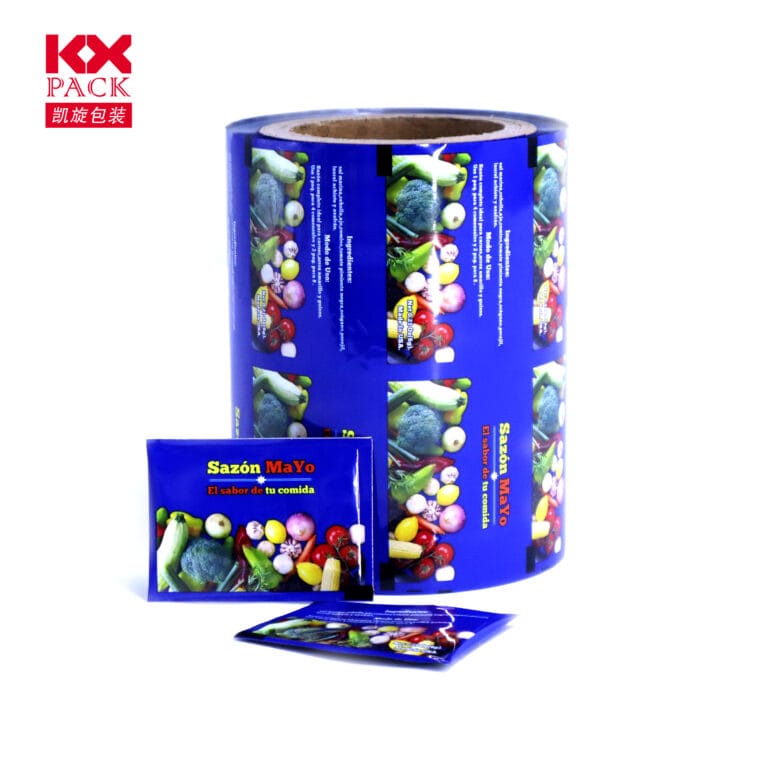
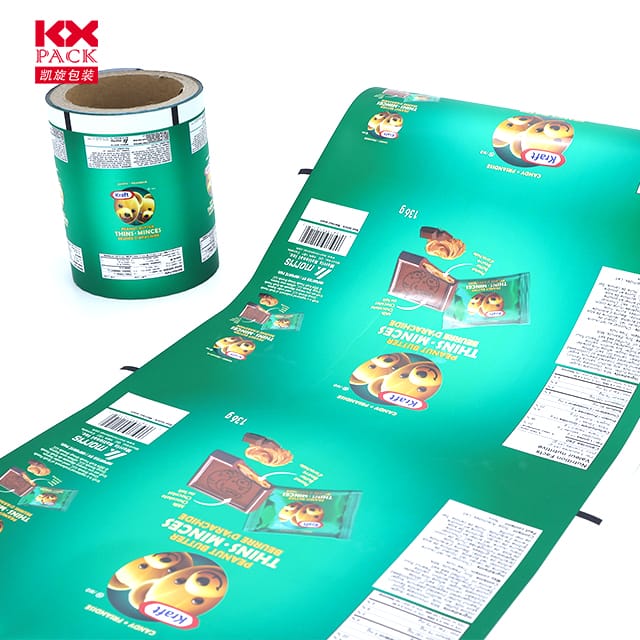
A sacet film se yon mens, flexible material used to create small, sealed packets (sache) for liquids, keratin, poud, or granules. Typically made from multi-layered plastics, aliminyòm, or biodegradable polymers, sachets are designed to:
- Preserve freshness: Barrier layers protect against moisture, oksijèn, ak limyè UV.
- Prevent leaks: Seamless welding and durable materials ensure contents stay contained.
- Enable portability: Lejè ak kontra enfòmèl ant, sachets fit into pockets, purses, or delivery boxes.
2. The Rise of Sachet Film in Everyday Life
Sachet film has infiltrated nearly every industry:
- Manje & Bwason: Ketchup, soy sauce, coffee creamer, and energy drink mixes are commonly packaged in sachets for on-the-go use.
- Swen Pèsonèl: Shampoo, conditioner, and face masks in sachets dominate hotel amenities and travel kits.
- Famasetik: Single-dose medications, vitamins, and trial-sized creams rely on sachets for hygiene and dosage control.
- Agrikilti: Pake grenn, fertilizers, and pesticides use sachets for precise application.
3. Why Sachet Film Wins Over Traditional Packaging
- Pri-efikasite: Sacets reduce material waste compared to bottles or jars, lowering production and shipping costs.
- Redwi Fatra Manje: Single-serve portions minimize spoilage, a boon for perishable goods like sauces or spices.
- Brand Opportunities: Customizable printing allows brands to showcase logos, enstriksyon yo, or promotions on eye-catching sachets.
- Ijyèn & Sekirite: Sealed sachets eliminate contamination risks, crucial for medical or food products.
4. Dirab: The Next Frontier for Sachet Film
While sachets are convenient, their plastic waste has sparked criticism. Antreeco-friendly innovations:
- Fim biodégradables: Materials like PLA (asid polilaktik) or starch-based blends decompose in months, not centuries.
- Compostable Sachets: Certified for industrial or home composting, these sachets break down into nutrient-rich soil.
- Recyclable Barriers: New coatings allow sachets to be recycled alongside polyethylene or polypropylene streams.
- Mono-Material Designs: Sachets made from a single polymer type (Eg., tout-PE) senplifye pwosesis resiklaj.
5. The Tech Behind Sachet Film Production
Creating a sachet is a high-tech process:
- Form-Fill-Seal (FFS) Machines: Automated systems fill and seal sachets at speeds of up to 1,000 units per minute.
- Nòt lazè: Precision cuts enable easy tearing without compromising seal integrity.
- Anti-Fog Coatings: Prevent condensation in sachets containing hot or cold liquids.
- Child-Resistant Closures: Innovative seals ensure safety for medications or household chemicals.
6. Future of Sachet Film
As consumer demands evolve, sachet film is poised for transformation:
- Smart anbalaj: QR codes or NFC tags on sachets could link to product info, recycling guides, or loyalty programs.
- Fim manjab: Research into seaweed-based or gelatin sachets could eliminate waste entirely.
- Reusable Sachets: Dirab, refillable sachets for household staples like detergents or spices.
- Global Regulations: Stricter laws on single-use plastics will drive adoption of sustainable sachet alternatives.
Konklizyon
Sacet film may be small, but its impact is massive. Pa balanse konvenyans, koute, ak dirab, it has become an indispensable tool for brands worldwide. Kòm teknoloji avanse, the future of sachet film looks brighter—and greener—than ever.
What’s your favorite sachet-packaged product? Share in the comments—and let’s celebrate the tiny packets that make life easier! 🌍💡
Mo kle: Sak fim, Anbalaj dirab, Anbalaj fleksib, Biodegradable Sachets, Smart anbalaj