Eksplore mond lan nan woulo fim plastik enprime: Kostim, Inovasyon, ak dirab
Printed Plastic Film Rolls
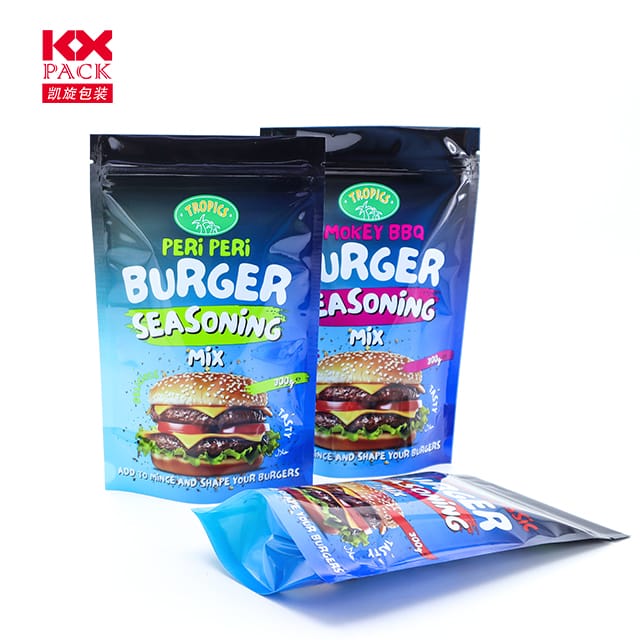
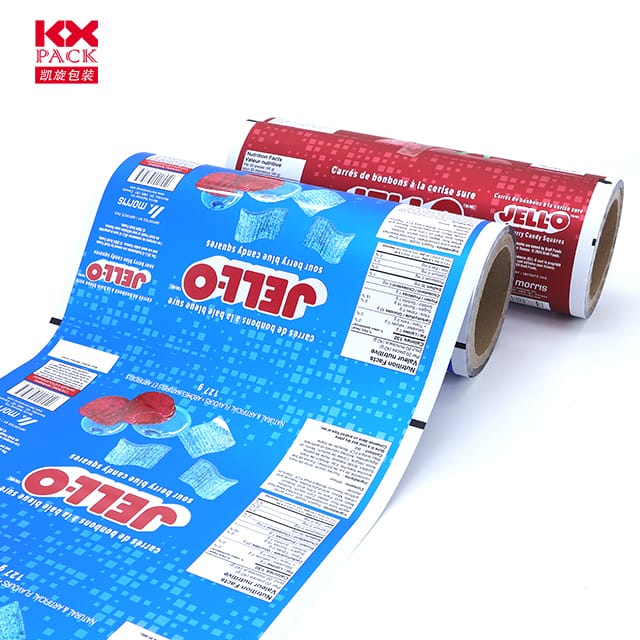
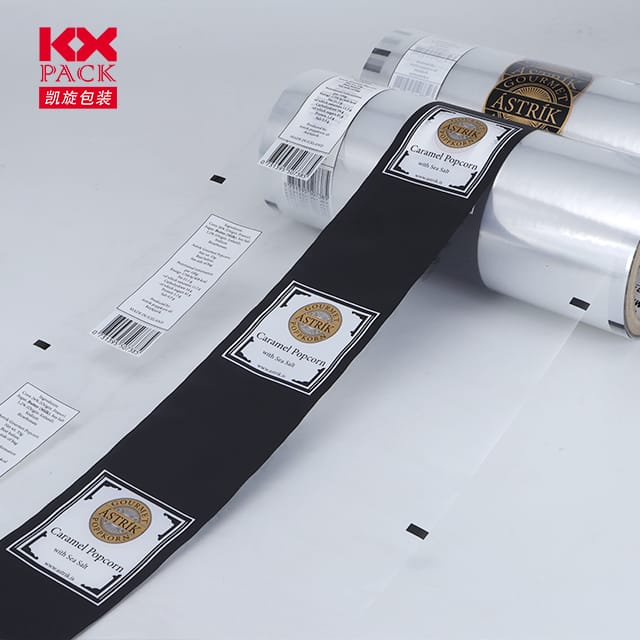
In the dynamic landscape of packaging and labeling, printed plastic film rolls have emerged as a cornerstone of modern industry, ofri adaptabilite san parèy, apèl ayestetik, ak benefis fonksyonèl. Woulo sa yo, fabrike nan materyèl tankou polyethylene (PE), polypropylène (PP), ak polyethylene terephthalate (PET), are not only durable but also highly adaptable to diverse applications across food, pharmaceutique, kosmetik, ak pi lwen.
Customization at Its Core
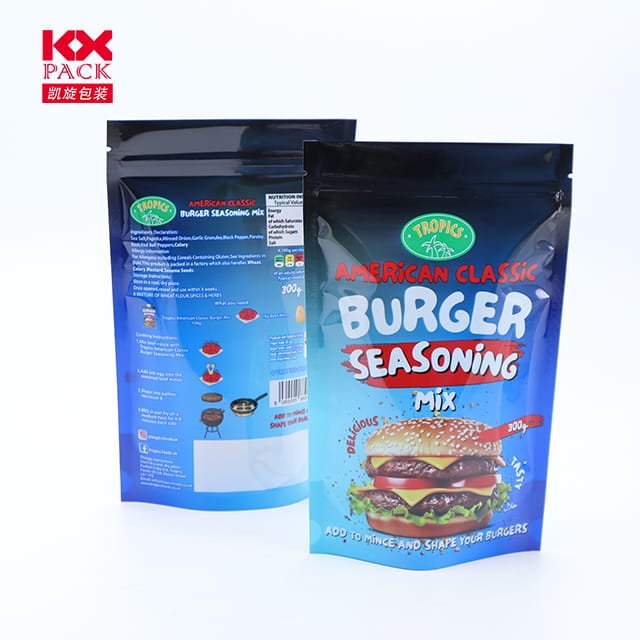
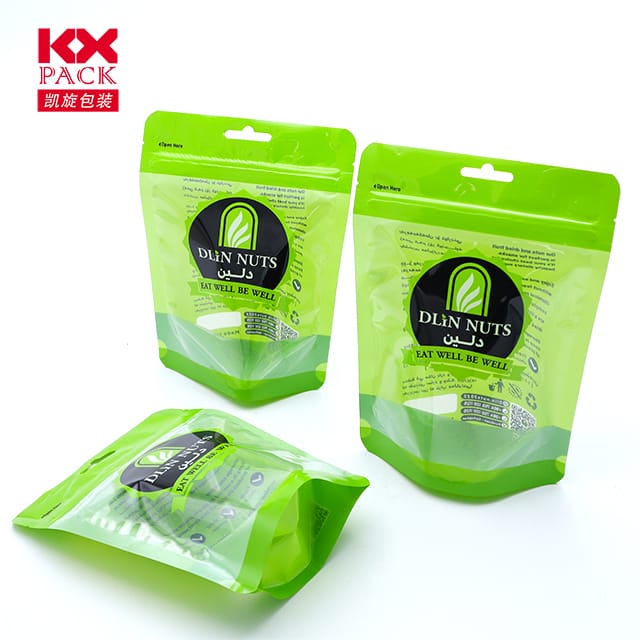
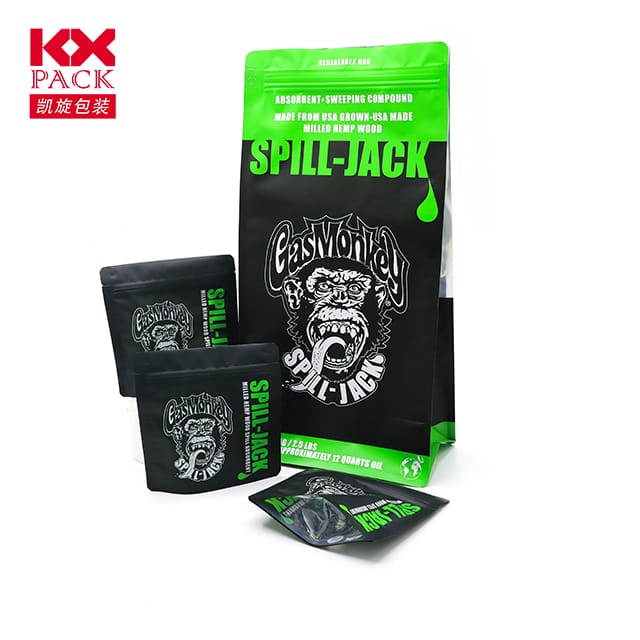
One of the standout features of printed plastic film rolls is their ability to be tailored to specific needs. Manufacturers like DQ PACK, a leading supplier in Guangdong, Lachin, offer customization in materials (Eg., PET+PE, PET+AL+VMPET+NY+PE), koulè (jiska 10 shades), and even logos. This flexibility ensures brands can create packaging that aligns with their identity while meeting stringent industry standards. Pa egzanp, food-grade films often incorporate non-ketene, non-benzene inks to ensure safety, alongside features like heat-sealability and high clarity for optimal product visibility.
Innovative Applications
The applications of printed plastic film rolls are as diverse as the industries they serve. Nan anbalaj manje, they protect against moisture, oksijèn, ak limyè UV, extending shelf life while maintaining freshness. In pharmaceuticals, they provide tamper-evident seals and child-resistant closures. For cosmetics, they offer eye-catching designs that enhance brand recognition on store shelves. Even in emerging fields like electronic device packaging, these films are finding use due to their thermal stability and electrical insulation properties.
Dirab: Yon enperatif k ap grandi
Kòm enkyetid anviwònman monte, the industry is shifting toward eco-friendly solutions. While traditional films like BOPET (biaxially oryante polyethylene terephthalate) have long dominated the market for their strength and transparency, there’s a growing demand for biodegradable and recyclable alternatives. Companies are exploring materials like polylactic acid (PLA) and incorporating technologies such as multilayer composites to reduce plastic dependency without compromising performance.
Avansman teknolojik
Recent innovations have elevated printed plastic film rolls to new heights. High-resolution printing techniques now allow for intricate designs and vibrant colors, while smart packaging features—such as RFID tags, temperature sensors, and QR codes—are being integrated to enhance traceability and consumer engagement. Pa egzanp, films with moisture-absorbing layers can prevent spoilage in perishable goods, while antimicrobial coatings extend shelf life in healthcare settings.
Market Trends and Future Outlook
The global market for printed plastic film rolls is projected to grow steadily, driven by factors like population growth, urbanization, and evolving consumer preferences. According to a 2024 report by DIResearch, the packaging film market is expected to reach $224.63 milya pa 2030, with Asia-Pacific leading the charge. This growth is fueled by industries like food and beverages, where demand for convenient, visually appealing packaging is soaring.
Konklizyon
Printed plastic film rolls are more than just packaging; they are a testament to human ingenuity in balancing functionality, estetik, ak dirab. As technology evolves and environmental awareness deepens, these films will continue to adapt, ensuring they remain a vital component of modern life. Whether safeguarding electronics, preserving food, or promoting brands, their role in shaping the future of packaging is undeniable.
Pou biznis kap rete devan, embracing customization, dirabilite, and innovation in printed plastic film rolls is not just an option—it’s a necessity.