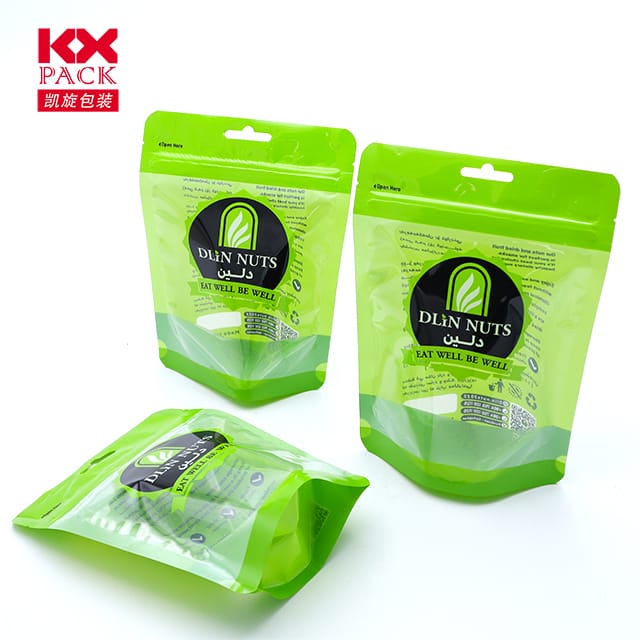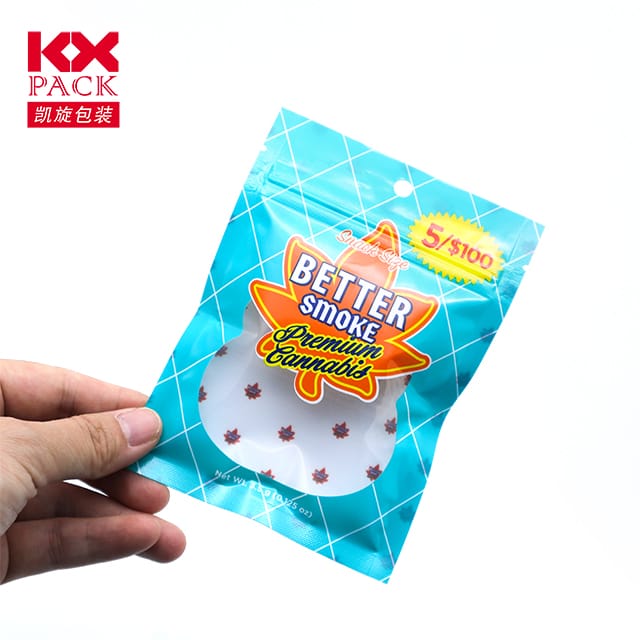
Evolisyon ak enpak fim anbalaj plastik nan endistri modèn
Fim anbalaj plastik
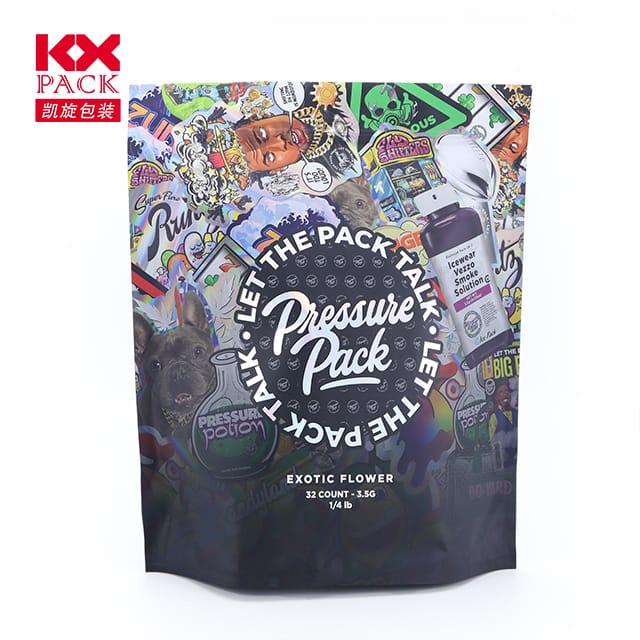
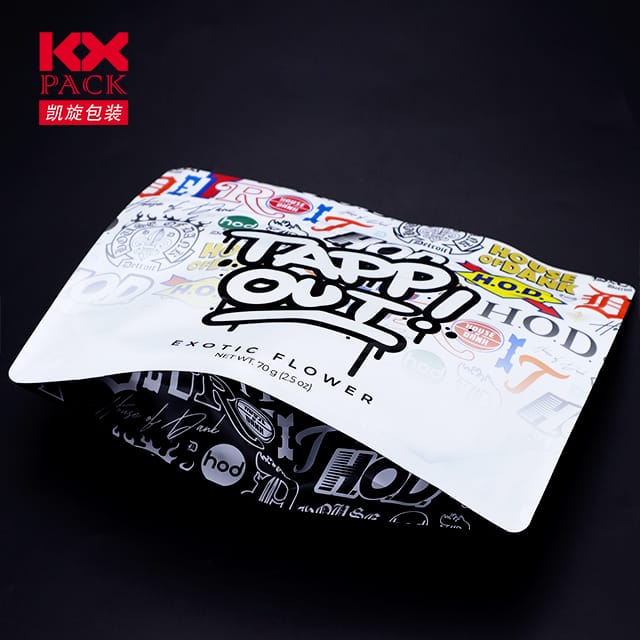
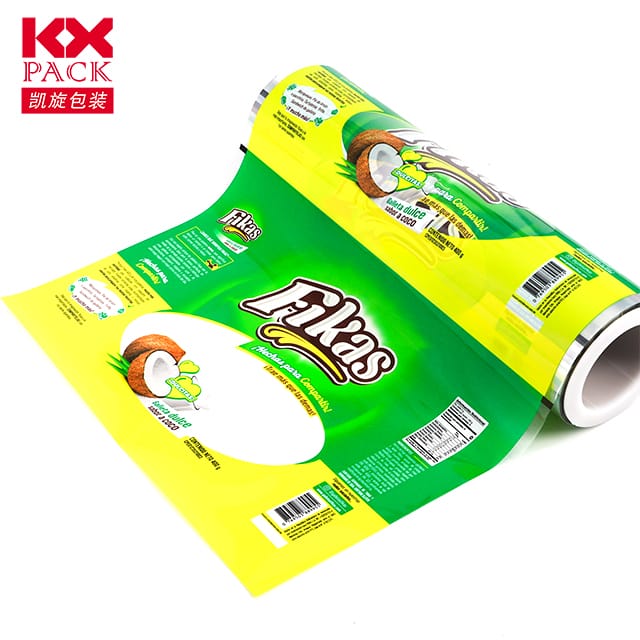
Plastic packing film, yon eleman omniprésente men souvan neglije nan lavi modèn, jwe yon wòl enpòtan nan prezève, pwoteje, ak prezante pwodwi atravè endistri yo. Soti nan manje ak pharmaceutique pou elektwonik ak byen pou konsomatè, materyèl sa a versatile te revolusyone solisyon anbalaj. Ann eksplore evolisyon an, benefis yo, defi, and future trends of plastic packing film.
1. What is Plastic Packing Film?
Plastic packing film refers to thin, flexible sheets made from polymers such as polyethylene (PE), polypropylène (PP), klori polivinil (PVC), ak polyestè (PET). These films are engineered to meet specific requirements, including durability, transparans, rezistans imidite, ak pwopriyete baryè. They can be customized in thickness, estrikti, and functionality to suit diverse applications.
2. The Evolution of Plastic Packing Film
The journey of plastic packing film began in the mid-20th century with the advent of synthetic polymers. Early versions were basic and limited in functionality, but advancements in materials science and manufacturing processes have transformed them into high-performance solutions.
- Early Innovations: The introduction of low-density polyethylene (LDPE) in the 1930s marked a milestone, offering flexibility and moisture resistance.
- Avansman teknolojik: Co-extrusion, laminasyon, and the development of multi-layer films enhanced barrier properties, extending shelf life for perishable goods.
- Sustainability Drives: Recent decades have seen a shift toward eco-friendly alternatives, such as biodegradable and compostable films, to address environmental concerns.
3. Key Benefits of Plastic Packing Film
Plastic packing film offers numerous advantages that make it indispensable in packaging:
- Pwoteksyon: Shields products from moisture, oksijèn, Reyon UV, ak kontaminan yo, ensuring quality and safety.
- Konsèvasyon: Extends the shelf life of food and pharmaceuticals, diminye fatra.
- Pri-efikasite: Lightweight and durable, it lowers transportation and storage costs.
- Kostim: Adaptable to various shapes and sizes, enabling innovative packaging designs.
- Transparency and Printability: Clear films allow product visibility, while printed films enhance branding and consumer engagement.
4. Defi anviwònman ak solisyon dirab
Malgre benefis li yo, plastic packing film faces criticism for its environmental impact. Yon sèl-itilize plastik kontribye nan polisyon, patikilyèman nan oseyan ak depotwa yo. Sepandan, the industry is actively addressing these concerns:
- Fim biodégradables ak konpostabl: Te fè soti nan resous renouvlab tankou lanmidon mayi, these films break down naturally.
- Materyèl resikle: Innovations in recycling technologies are improving the recyclability of plastic films.
- Reduced Material Usage: Mens, high-performance films reduce plastic consumption without compromising functionality.
- Inisyativ Ekonomi Sikilè: Brands and manufacturers are adopting practices that prioritize reuse, resiklaj, ak rediksyon fatra.
5. Innovations mete lavni an
The future of plastic packing film is bright, driven by sustainability and technological advancements:
- Smart anbalaj: Films embedded with sensors or QR codes can provide real-time data on product freshness or authenticity.
- Nanotechnologie: Nano-kouvwi amelyore pwopriyete baryè, allowing even thinner films to offer superior protection.
- Fim manjab: Made from natural ingredients like seaweed, these films are a novel solution for food packaging.
- Plant-Based Polymers: Films derived from agricultural waste or algae offer a renewable alternative to traditional plastics.
6. Wòl konsomatè yo ak règleman yo
Consumer demand for sustainable packaging and stricter environmental regulations are pushing the industry toward greener solutions. Brands that prioritize eco-friendly packaging are gaining a competitive edge, while governments are implementing policies to reduce plastic waste.
Konklizyon
Plastic packing film is a cornerstone of modern packaging, offering unmatched versatility and functionality. While its environmental impact cannot be ignored, ongoing innovations and a commitment to sustainability are paving the way for a greener future. Kòm konsomatè yo, biznis yo, and policymakers collaborate, the plastic packing film industry is poised to evolve into a more responsible and circular sector.
What are your thoughts on the future of plastic packing film? Do you prefer sustainable alternatives, or do you see a role for traditional plastics with improved recycling? Pataje lide ou anba a! 🌍📦
Mo kle: Fim anbalaj plastik, anbalaj dirab, fim biodégradables, innovation in packaging, enpak anviwònman an.