Evolisyon ak avni fim plastik pou anbalaj: Balanse inovasyon ak dirabilite
Plastic Films for Packaging
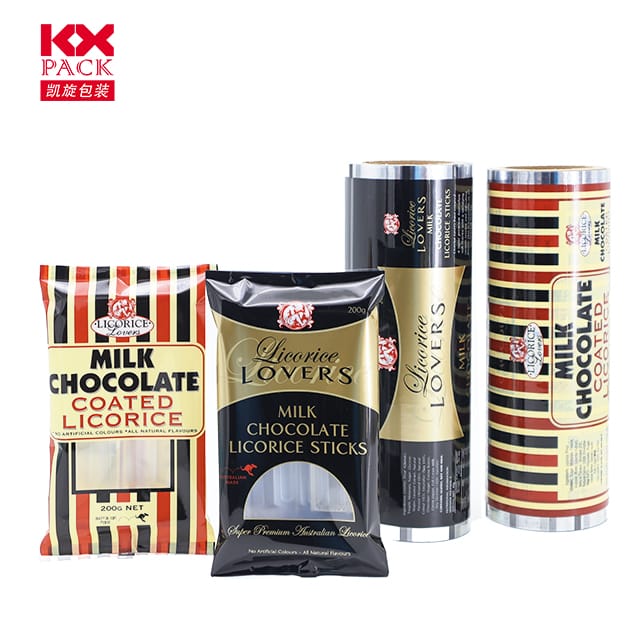
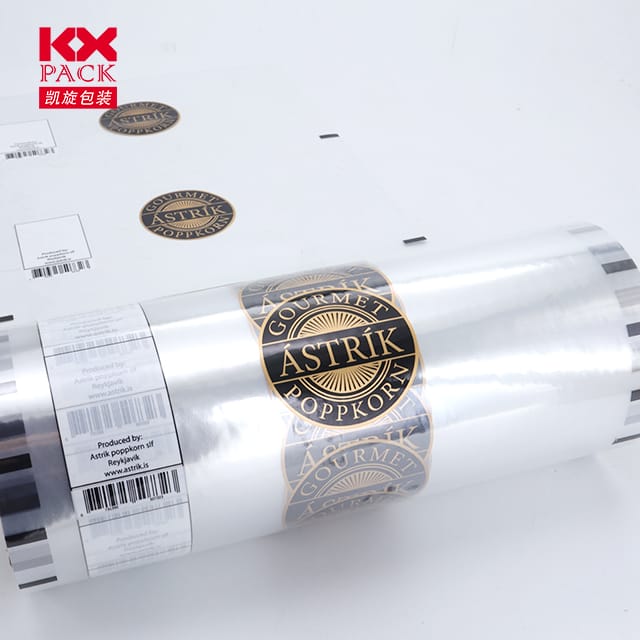
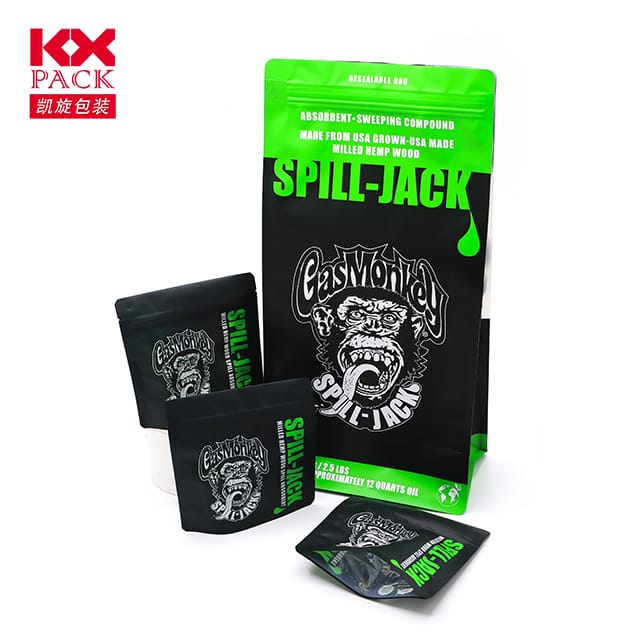
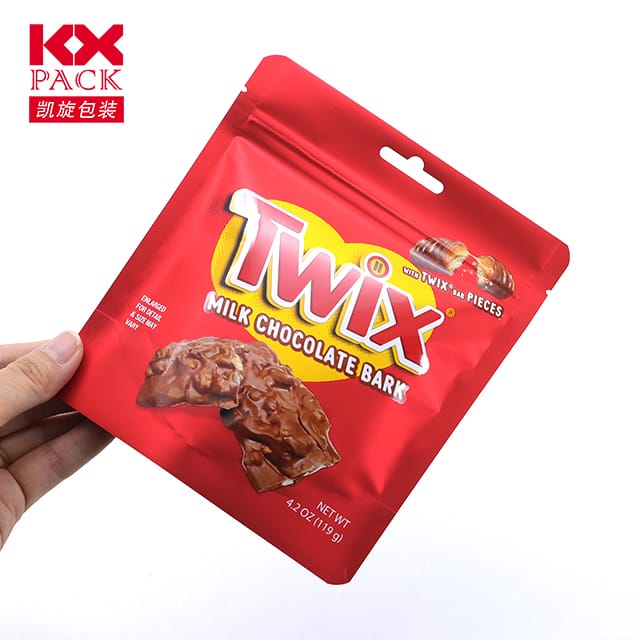
Nan peyizaj la dinamik nan anbalaj modèn, Plastic Films for Packaging have emerged as indispensable materials, revolusyone endistri yo soti nan manje ak pharmaceutique rive nan agrikilti ak konstriksyon. Lejè yo, dirab, ak pri-efikas nati te fè yo yon poto nan chèn ekipman mondyal. Sepandan, kòm enkyetid anviwònman entansifye, sektè anbalaj fè fas a yon defi kritik: reconciling the functional benefits of plastic films with the urgent need for sustainability.
1. The Versatility of Plastic Films in Packaging
Plastic films, ki gen ladanpolyethylene (PE), polypropylène (PP), polyestè (PET), and polyamide (PA), dominate the packaging market due to their unique properties:
- PE Films: Known for flexibility and moisture resistance, LDPE (low-density polyethylene) is widely used in shopping bags and agricultural mulch, while HDPE (high-density polyethylene) excels in heavy-duty applications like garbage bags.
- PP Films: With excellent chemical resistance and heat sealability, Bopp (biaxially oriented polypropylene) is a staple in snack packaging and labels.
- PET Films: Celebrated for their transparency and barrier properties, PET films are critical for preserving food freshness and protecting electronics.
- Barrier-Enhanced Films: Inovasyon tankou silicon oxide-coated PET ou multi-layer composites (Eg., PET/AL/PE) offer superior gas and moisture barriers, extending shelf life for perishables like coffee and meat.(Plastic Films for Packaging)
These materials not only safeguard products but also enable efficient logistics through their lightweight design, reducing fuel consumption during transportation.
2. The Environmental Imperative: Rethinking Plastic Films
Despite their advantages, traditional plastic films pose significant environmental risks. Yon sèl-itilize plastik, particularly in e-commerce and fast food, contribute to marine pollution epi microplastic contamination. Reports estimate that by 2030, global plastic consumption could exceed 7 billion tons annually, with a staggering 50% ending up in landfills or ecosystems.(Plastic Films for Packaging)
Defi kle yo enkli:
- Ki pa Peye-Biodégradabilite: Conventional plastics persist for centuries, harming wildlife and ecosystems.
- Recycling Hurdles: Multi-layer composites (Eg., PET/AL/PE) are difficult to recycle, often ending up in incinerators or landfills.
- Regulatory Pressure: Governments worldwide are imposing bans or taxes on single-use plastics, urging industries to adopt alternatives.(Plastic Films for Packaging)
3. Inovasyon Kondwi Dirab
To address these challenges, the packaging industry is investing ineco-friendly solutions:
- Fim biodégradables ak konpostabl: Materials like PLA (asid polilaktik), derived from renewable resources, decompose within months under industrial composting conditions.(Plastic Films for Packaging)
- Recyclable Monomaterials: Advances in mono-material PP or PE films simplify recycling by eliminating incompatible layers.
- Barrier Coatings from Renewable Sources: Water-based coatings or nanocellulose layers reduce reliance on petroleum-based barriers.
- Fim entelijan: UV-activated, oxygen-sensitive films enhance product safety while minimizing waste.
4. Wout la devan: A Call for Collaboration
Achieving a sustainable future for plastic films requires amulti-stakeholder approach:
- Endistri: Prioritize R&D into circular materials and design for recyclability.
- Konsomatè yo: Embrace reusable packaging and support brands committed to sustainability.
- Gouvènman: Enforce strict eco-design standards and invest in recycling infrastructure.
- Inovatè: Explore alternatives like bamboo-based composites ou fim manjab for niche applications.
Konklizyon: Fè yon balans
Plastic films for packaging remain irreplaceable in safeguarding products and reducing waste in supply chains. Sepandan, their future hinges on innovation and responsible stewardship. Pa anbrase materyèl biodégradables, recyclable designs, and circular economy principles, the industry can mitigate environmental impact while continuing to meet global demand.
As consumers and businesses increasingly prioritize sustainability, the evolution of plastic films will be a testament to human ingenuity—proving that progress and environmental care can go hand in hand.
What are your thoughts on the future of plastic packaging? Share your insights in the comments below! 🌍📦💡