Enpòtans ak enpak anbalaj fim plastik nan komès modèn(2)
Plastik fim
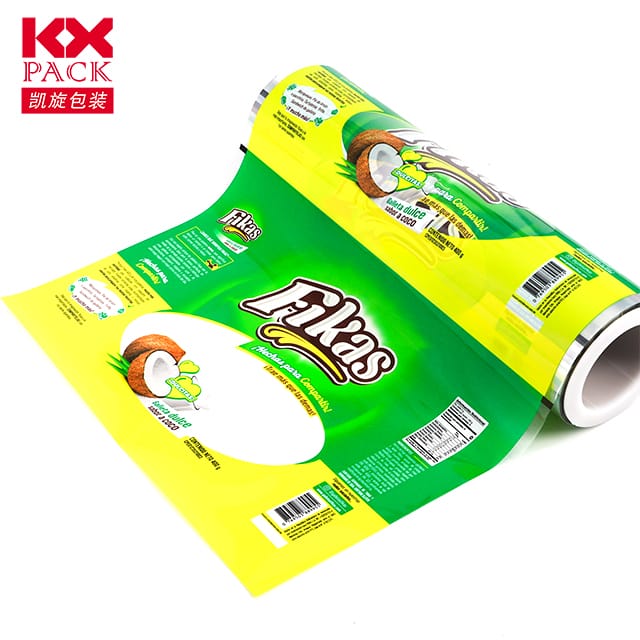
In the bustling world of modern commerce, anbalaj jwe yon wòl esansyèl nan pwoteje, prezante, ak pwomosyon pwodwi yo. Pami divès kalite materyèl anbalaj, anbalaj fim plastik kanpe deyò pou adaptabilite li yo, dirab, ak pri-efikasite. Pòs blog sa a fouye nan siyifikasyon an nan anbalaj fim plastik, aplikasyon divès kalite li yo, enkyetid anviwònman an, and innovative trends shaping its future.
Plastic film packaging comes in a myriad of forms, including polyethylene (PE), polypropylène (PP), klori polivinil (PVC), ak polyestè (PET). These materials offer a range of properties that cater to different needs. Pa egzanp, PE films are known for their flexibility and moisture resistance, making them ideal for food packaging. Nan lòt men an, PET films are highly transparent and resistant to tearing, making them perfect for packaging cosmetics and electronics.
The primary function of plastic film packaging is to protect the product from damage during transportation and storage. It acts as a barrier against moisture, oksijèn, ak kontaminan yo, thereby extending the shelf life of perishable goods. Anplis de sa, it provides cushioning and shock absorption, preventing breakages and dents.
Presentation and Branding
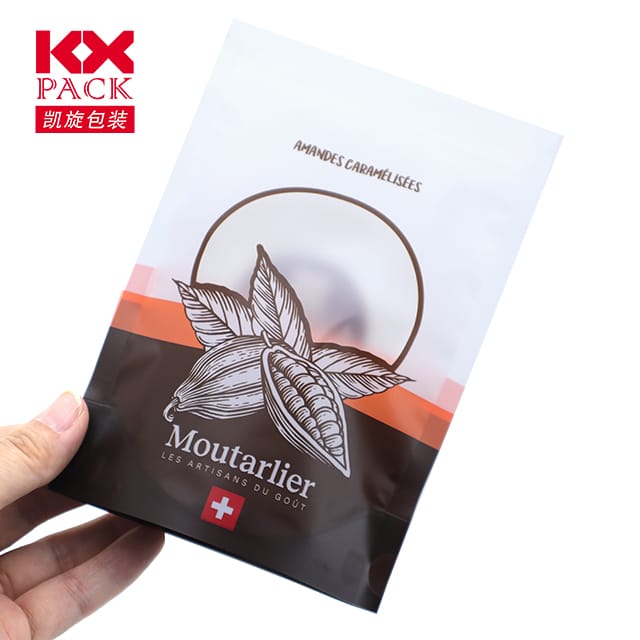
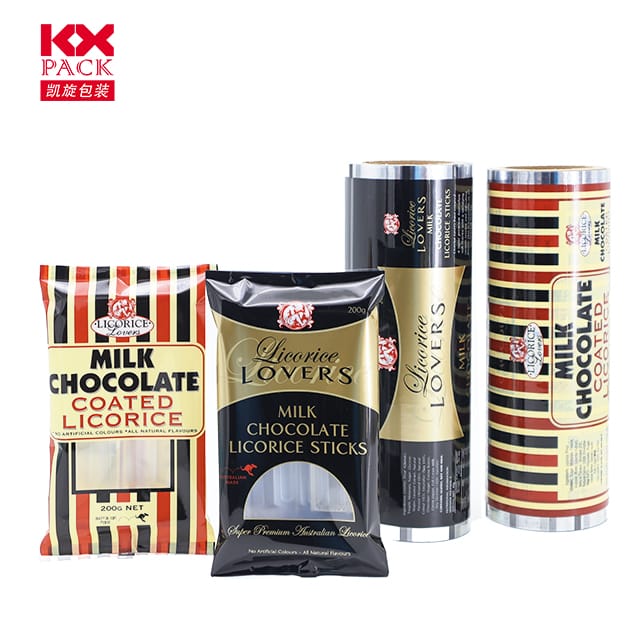
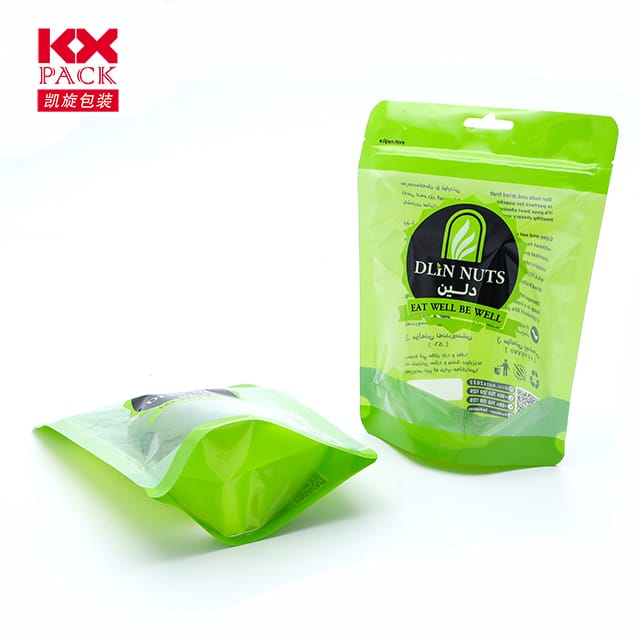
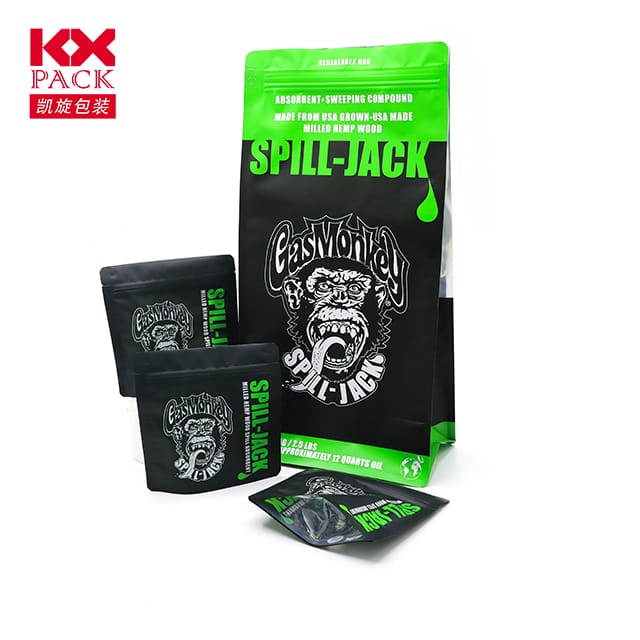
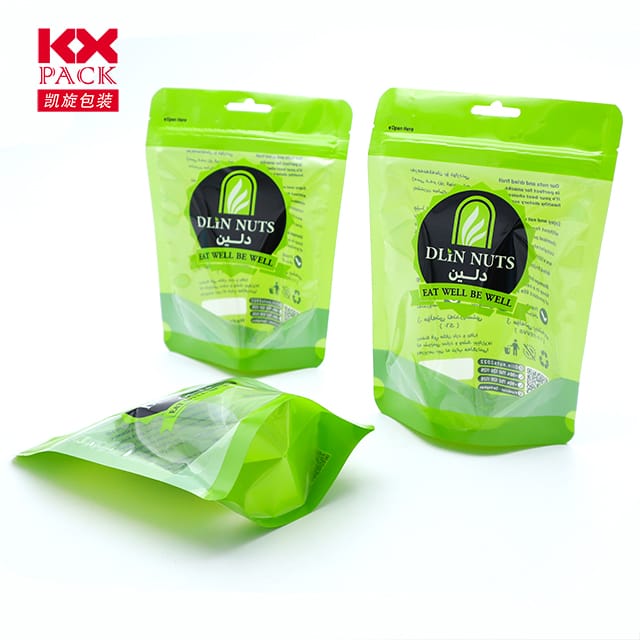
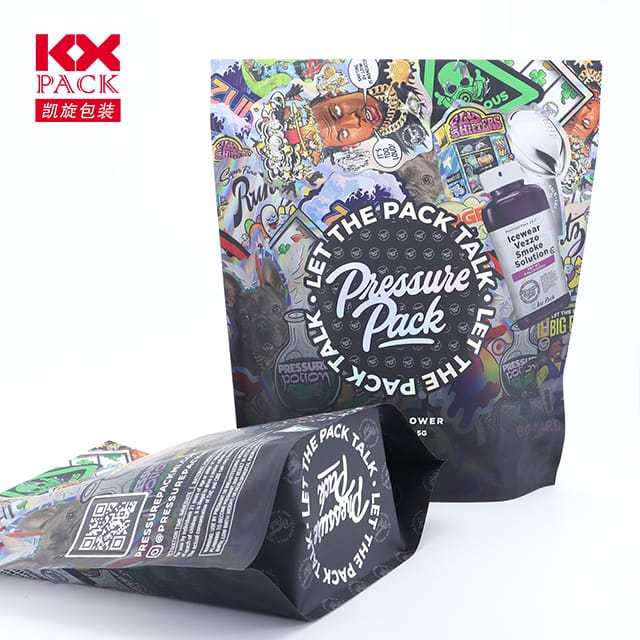
Beyond protection, plastic film packaging plays a crucial role in presenting the product to consumers. With advancements in printing technology, plastic films can now be printed with high-resolution graphics, koulè vibran, and detailed information. This allows manufacturers to showcase their brand identity, highlight product features, and provide essential consumer information such as ingredients, instructions for use, and recycling symbols.
Effective packaging design can significantly influence purchasing decisions. Attractive packaging captures consumers’ atansyon, conveys product value, and builds brand loyalty. Plastic film packaging, with its customizable nature, offers manufacturers a powerful tool to differentiate their products in a crowded marketplace.
Enkyetid anviwònman an
Despite its many benefits, plastic film packaging has come under scrutiny due to environmental concerns. Yon sèl-itilize plastik, an patikilye, contribute to plastic pollution and pose a threat to marine life. The challenge lies in balancing the convenience and efficiency of plastic packaging with the need for sustainable practices.
Manufacturers are increasingly adopting eco-friendly alternatives such as biodegradable and compostable plastic films. These materials decompose naturally under specific conditions, reducing the environmental footprint of packaging waste. Anplis de sa, efforts are being made to improve recycling rates by incorporating more easily recyclable materials and designing packaging that can be easily separated for recycling.
Innovative Trends
The future of plastic film packaging is shaped by innovative trends that focus on sustainability, anbalaj entelijan, ak fonksyonalite amelyore. Anbalaj entelijan, pou egzanp, incorporates sensors and indicators that monitor product conditions such as temperature, fraîcheur, ak manipilasyon. This technology ensures product safety and enhances consumer trust.
Enhanced functionality is another area of innovation. Plastic films are being developed with new properties such as self-healing capabilities, antimicrobial treatments, and active packaging systems that release preservatives or antioxidants to extend product shelf life.
Konklizyon
An konklizyon, plastic film packaging is an indispensable component of modern commerce. Adaptabilite li yo, dirab, and cost-effectiveness make it an ideal choice for protecting, prezante, ak pwomosyon pwodwi yo. Sepandan, the environmental impact of plastic packaging cannot be ignored. As consumers become more aware of sustainability issues, manufacturers must strive to balance innovation with environmental responsibility. By adopting eco-friendly materials and practices, the packaging industry can continue to thrive while contributing to a more sustainable future.