Navige mond lan nan manifakti fim anbalaj: Tandans kle ak inovasyon
Fim anbalaj
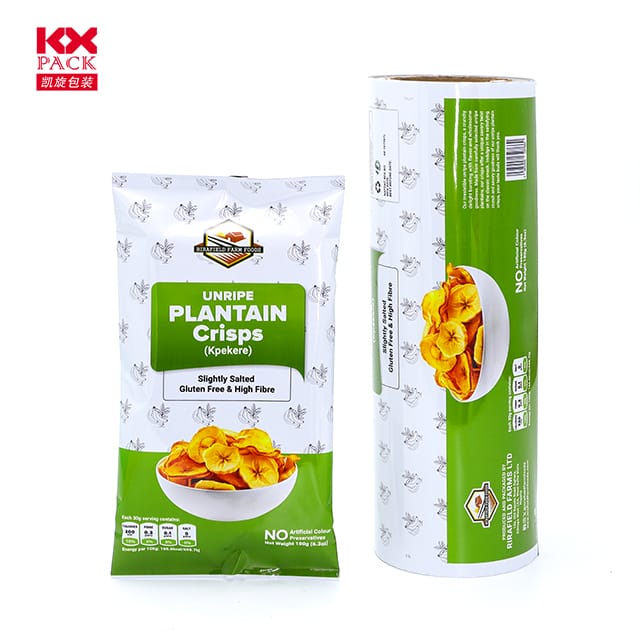
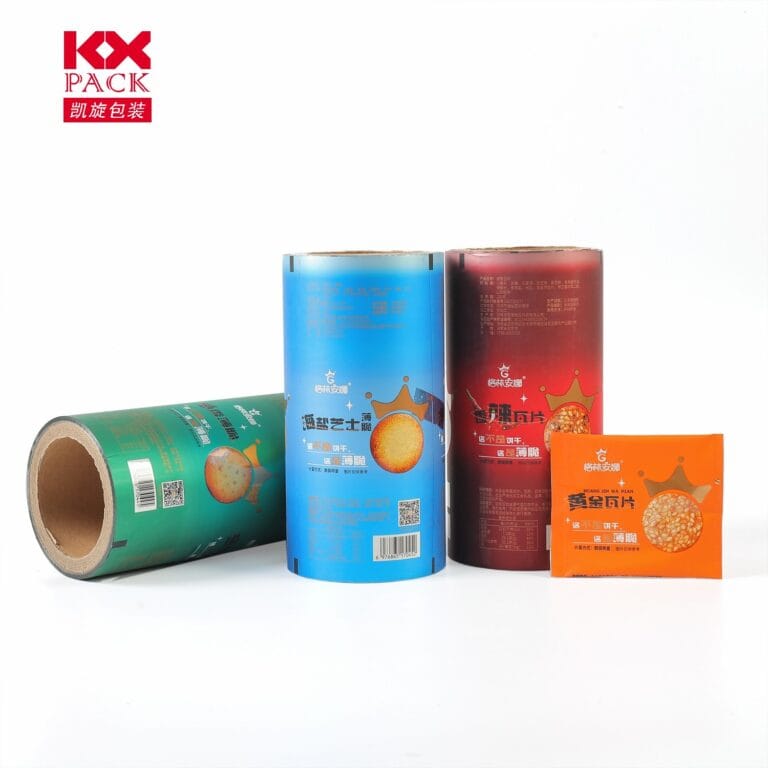
Nan peyizaj konsomatè rapid-ritm jodi a, fim anbalaj jwe yon wòl esansyèl nan prezève bon jan kalite pwodwi, pwolonje lavi etajè, ak amelyore vizibilite mak. Soti nan manje ak bwason nan edikaman ak elektwonik, demann lan pou solisyon anbalaj pèfòmans-wo kontinye ap monte. This has propelledpackaging films manufacturers into the spotlight, kondwi inovasyon ak dirab atravè endistri yo. Let’s explore the current trends, defi, and opportunities shaping this dynamic sector.
The Growing Demand for Packaging Films
The global packaging films market is projected to reach$180 milya pa 2030, fueled by e-commerce growth, rising urbanization, and evolving consumer preferences. Manufacturers are under pressure to deliver films that are not only durable and cost-effective but also eco-friendly. Key drivers include:
- Sekirite Manje & Konsèvasyon: Biodegradable and antimicrobial films are gaining traction to reduce food waste.
- Konvenyans: Resealable and easy-to-open designs cater to on-the-go lifestyles.
- Dirab: Brands are prioritizing recyclable, konpostab, and plant-based materials to meet regulatory and environmental goals.
Innovations Transforming the Industry
Leading packaging films manufacturers are investing heavily in R&D to stay ahead. Here are some groundbreaking advancements:
- Polymers biodégradables: Konpayi yo renmen BASF and NatureWorks are producing polylactic acid (PLA)-based films that decompose within months under industrial composting conditions.
- Smart anbalaj: Integration of IoT sensors and QR codes enables real-time tracking of product freshness and authenticity.
- Barrier Technologies: Advanced multilayer films with oxygen and moisture barriers extend the shelf life of perishables without chemical additives.
- Lejè: Manufacturers are optimizing film thickness to reduce material use while maintaining strength, cutting costs and carbon footprints.
Dirab: A Non-Negotiable Priority
Avèk 79% of consumers willing to pay more for sustainable packaging (IBM, 2023), manufacturers are rethinking their strategies:
- Modèl ekonomi sikilè: Adopting closed-loop systems to recycle post-consumer waste into new films.
- Water-Based Coatings: Replacing solvent-based alternatives to minimize VOC emissions.
- Sètifikasyon: Partnering with organizations like TÜV Otrich epi EcoCert to validate compostability claims.
Challenges Facing Manufacturers
Malgre pwogrè, the industry grapples with:
- Volatilité materyèl kri: Fluctuating prices of petroleum-based resins impact profitability.
- Infrastructure Gaps: Limited recycling facilities hinder the adoption of recyclable films in developing regions.
- Regulatory Hurdles: Navating varying compliance standards across global markets.
Choosing the Right Packaging Films Manufacturer
For businesses seeking reliable partners, konsidere faktè sa yo:
- Ekspètiz materyèl: Does the manufacturer specialize in flexible, rigid, or specialty films?
- Kapasite personnalisation: Can they tailor solutions to your product’s unique needs?
- Kalifikasyon dirabilite: Chèche sètifikasyon tankou ISO 14001 and transparent supply chains.
- Év fètabilite: Ensure they can handle both small-batch and large-volume orders efficiently.
The Future Outlook
The packaging films industry is poised for transformative growth, driven by AI-powered design tools, nanoteknoloji, and hyper-personalization. As consumers demand greater transparency, manufacturers will increasingly focus ontrasabilite epiethical sourcing.
Refleksyon final
Packaging films manufacturers are at the forefront of a sustainability revolution, balancing innovation with environmental responsibility. By collaborating with forward-thinking partners, brands can not only meet regulatory demands but also build trust with eco-conscious consumers.
Are you a packaging films manufacturer or a brand looking to upgrade your packaging? Pataje panse ou nan kòmantè ki anba yo!