Evolisyon fim anbalaj: Inovasyon Kondwi Dirab, Fonksyonalite, ak Apèl Konsomatè
Fim anbalaj
Nan peyizaj konsomatè rapid-ritm jodi a, packaging films play a pivotal role in preserving products, amelyore vizibilite mak la, ak satisfè objektif dirabilite. Soti nan manje ak pharmaceutique pou elektwonik ak e-commerce, materyèl sa yo versatile se ewo yo enkoni nan anbalaj modèn. Men, sa ki fè fim anbalaj se konsa endispansab, and how are manufacturers innovating to keep up with evolving demands? Let’s dive into the world of packaging films—exploring their types, benefis yo, defi, ak tandans nan lavni.
1. Ki sa ki fim anbalaj?
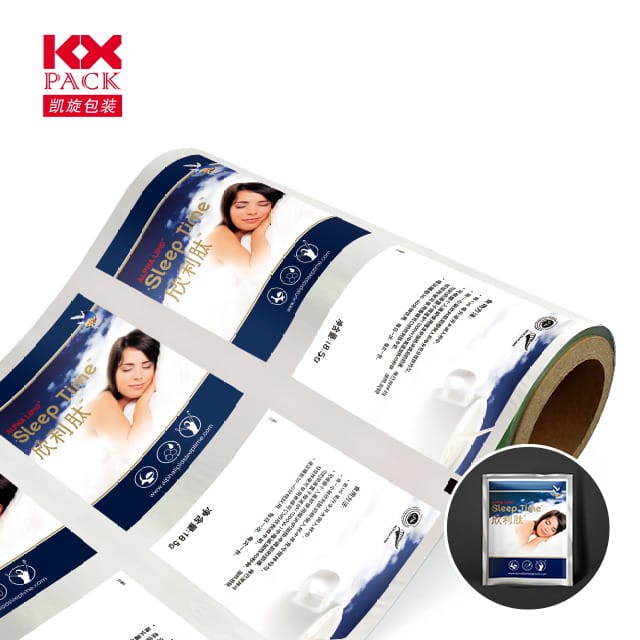
Fim anbalaj yo mens, materyèl fleksib yo itilize pou vlope, so, oswa pwoteje pwodwi yo. They can be made from various polymers, ki gen ladan:
- Polyethylene (PE): Common in grocery bags and food wraps due to its flexibility and moisture resistance.
- Polypropylène (PP): Known for its clarity and strength, often used in snack packaging and labels.
- Polyester (PET): Offers high tensile strength and heat resistance, ideal for blister packs and ovenable trays.
- Fim biodégradables: Made from materials like PLA (asid polilaktik) or starch blends, targeting eco-conscious markets.
- Multi-Layer Films: Combining different polymers to optimize barrier properties (Eg., oksijèn, imidite, limyè) for extended shelf life.
2. Key Functions of Packaging Films
Modern packaging films do much more than just contain products. They serve multiple critical roles:
- Pwoteksyon: Shielding items from contamination, imidite, Reyon UV, ak domaj fizik.
- Konsèvasyon: Extending shelf life for perishables like fresh produce, vyann, ak pharmaceutique.
- Konvenyans: Enabling easy-to-open, referme, or single-serve packaging formats.
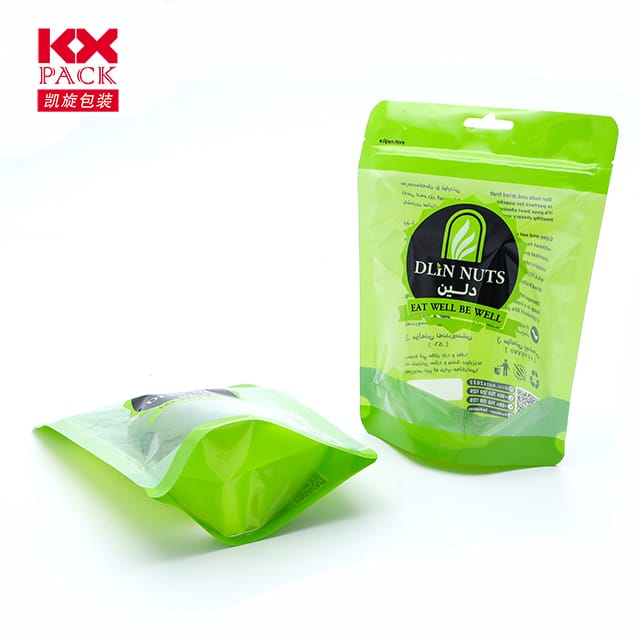
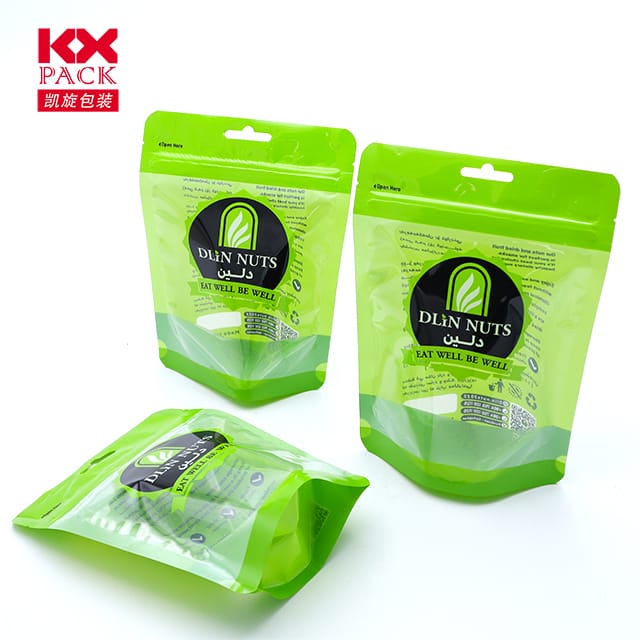
- Branding: Providing a printable surface for logos, product info, and eye-catching designs.
- Dirab: Reducing waste through lightweighting, recyclability, or compostability.
3. Innovations Shaping the Future of Packaging Films
The packaging industry is undergoing a transformation, driven by consumer demand for sustainability and advanced functionality. Here are some game-changing trends:
A. Altènativ dirab
- Fim biodégradables ak konpostabl: Brands are switching to plant-based materials to reduce plastic pollution. Pa egzanp, Coca-Cola and Nestlé have trialed compostable coffee pods and snack wrappers.
- Kontni resikle: Sèvi ak post-konsomatè resikle (PCR) plastics in film production to close the loop.
- Ibrid ki baze sou papye: Combining paper with a thin plastic barrier for recyclability without sacrificing performance.
B. Smart Packaging Films
- Anbalaj aktif: Fim entegre ak antioksidan, ajan antimikwòb, or oxygen scavengers to prolong freshness.
- Intelligent Films: Temperature-sensitive indicators, Kòd QR, or NFC tags for traceability and consumer engagement.
- Amelyorasyon Baryè: Nanotechnology-coated films that block gases and odors more effectively than traditional materials.
C. Lightweighting and Efficiency
- Mens, Fim pi fò: Advances in polymer science allow for down-gauging (reducing thickness) san yo pa konpwomèt fòs, saving material costs and reducing environmental impact.
- Mono-Material Structures: Simplifying recycling by using a single type of polymer instead of multi-layer blends.
4. Challenges in the Packaging Film Industry
Despite innovations, several hurdles remain:
- Pri vs. Dirab: Eco-friendly materials often come at a higher price point, making adoption slower for budget-conscious brands.
- Enfrastrikti resiklaj: Many biodegradable films require industrial composting facilities, which are scarce in some regions.
- Performance Trade-offs: Some sustainable films may lack the barrier properties or durability of conventional plastics.
- Regulatory Complexity: Navigating global regulations on plastic use, etikèt, and waste management.
5. Pèspektiv Konsomatè a: What Do Shoppers Want?
Today’s consumers are more environmentally aware than ever. Surveys show:
- 70% of shoppers prefer brands with sustainable packaging.
- 60% are willing to pay more for eco-friendly options.
- Transparency matters: Consumers want clear labels about recyclability and compostability.
Brands that prioritize sustainability—without sacrificing convenience or aesthetics—are winning loyalty.
6. Wout la devan: A Circular Economy for Packaging Films
The future of packaging films lies in aekonomi sikilè modèl, kote materyèl yo reitilize, resikle, or composted. Key strategies include:
- Konsepsyon pou resiklaj: Creating films that are easy to separate and process.
- Kolaborasyon atravè chèn ekipman pou: Working with recyclers, mizisyen politik yo, and retailers to improve infrastructure.
- Envesti nan R&D: Continuously innovating to bridge the gap between performance and sustainability.
Konklizyon: Packaging Films in a Sustainable World
Packaging films are at a crossroads—balancing the need for product protection with the urgency of environmental stewardship. Kòm teknoloji avanse ak atant konsomatè yo evolye, the industry must adapt to deliver solutions that are both functional and future-proof.
What’s your take on packaging films? Do you prioritize sustainability when shopping, or do you think there’s room for improvement in eco-friendly options? Pataje panse ou anba a!