Versatility ak enpòtans fim anbalaj nan komès modèn (2)
Film anbalaj
In the bustling world of modern commerce, kote pwodwi yo toujou ap anbake, parèt, epi vann, wòl anbalaj pa ka egzajere. Pami myriad nan materyèl anbalaj ki disponib, fim anbalaj kanpe deyò pou adaptabilite li yo, dirab, ak adaptabilite nan divès endistri ak aplikasyon. Jodi a, let’s delve into the intricacies of packaging film, eksplore kalite li yo, benefis yo, and the crucial role it plays in ensuring the success of businesses and consumer satisfaction.
Packaing film comes in a variety of forms, each tailored to meet specific needs. Polyethylene (PE) fim, pou egzanp, is widely used due to its low cost, fleksibilite, and moisture barrier properties. It’s ideal for wrapping foods, protecting goods during transportation, and creating tamper-evident seals. Polyvinyl chloride (PVC) fim, while less favored due to environmental concerns, offers excellent clarity and tear resistance, making it suitable for packaging cosmetics, pharmaceutique, and electronic devices.
Fim biodégradables, te fè soti nan materyèl tankou asid polilaktik (PLA) and polyhydroxyalkanoates (PHA), are gaining traction as consumers and businesses become more eco-conscious. These films offer a sustainable alternative, breaking down naturally after disposal, thereby reducing plastic waste.
Oriented polypropylene (OPP) ak polyestè (PET) films are known for their high tensile strength and clarity, making them perfect for high-end packaging that requires high visibility and protection against punctures and tears.
Benefits of Using Packaging Film
- Protection and Preservation: Packaing film acts as a barrier against moisture, oksijèn, pousyè, ak kontaminan yo, preserving the quality and shelf life of the enclosed products. Sa a se patikilyèman enpòtan nan endistri a manje, where freshness and hygiene are paramount.
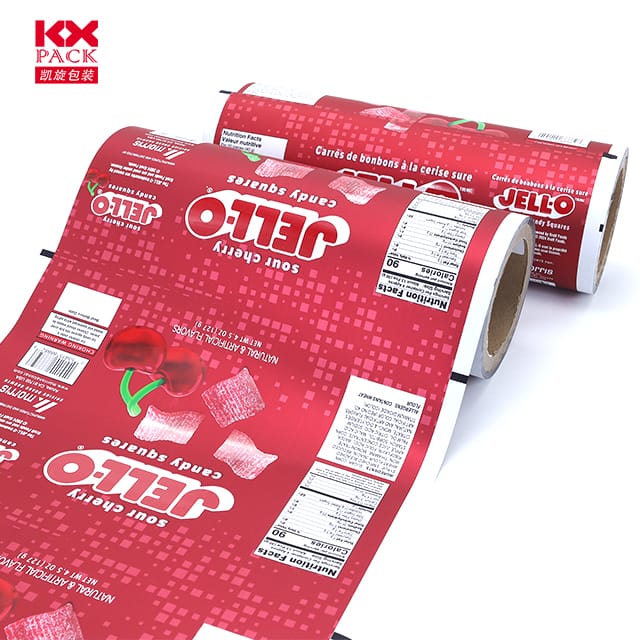
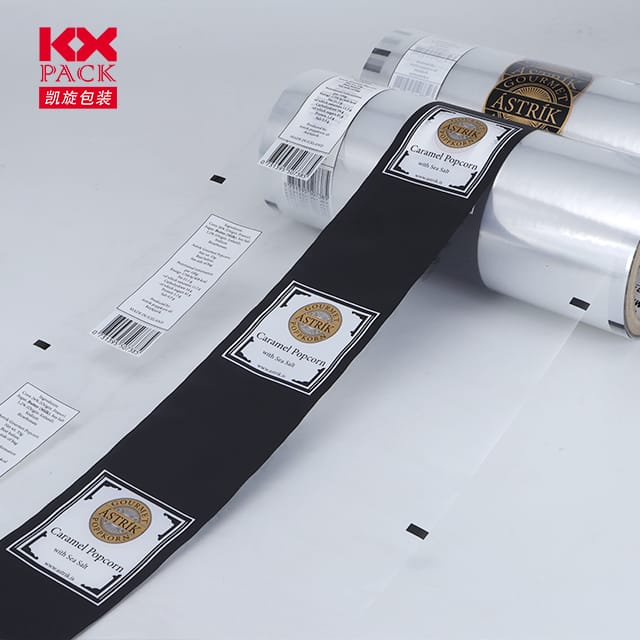
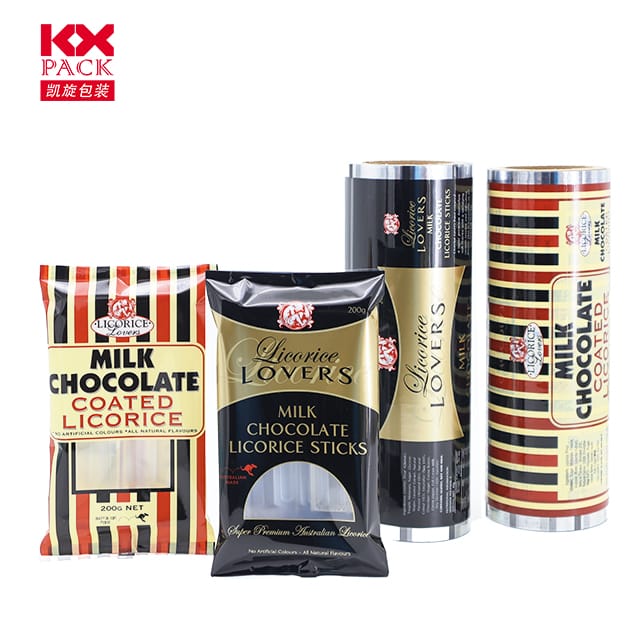
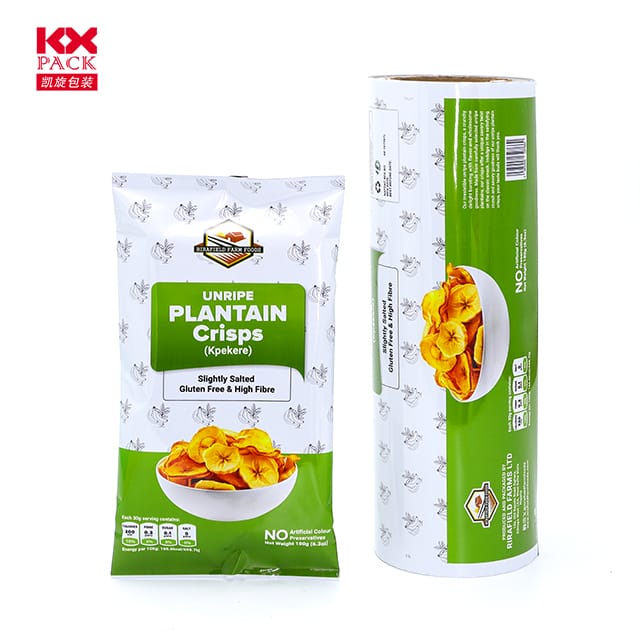
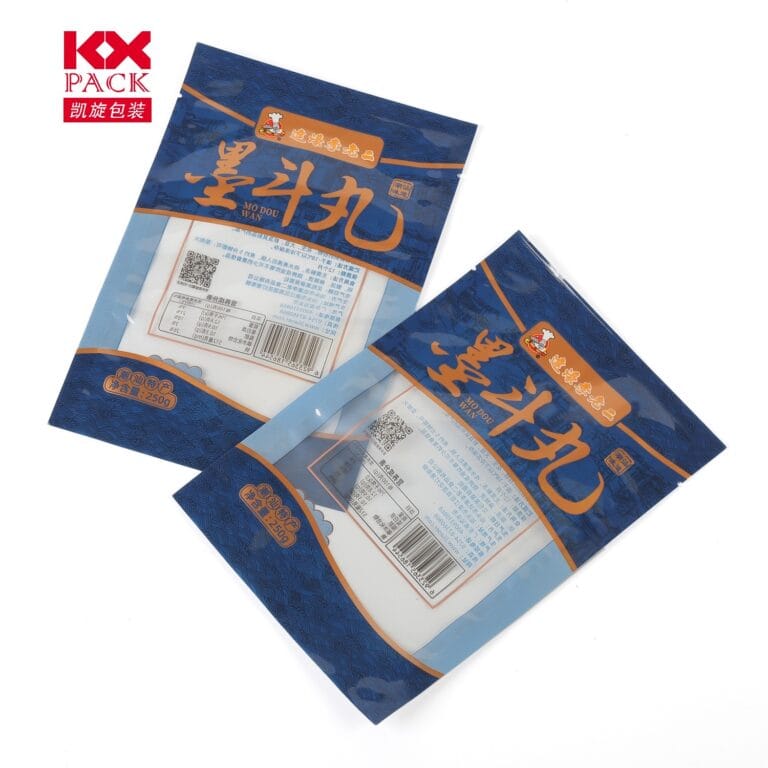
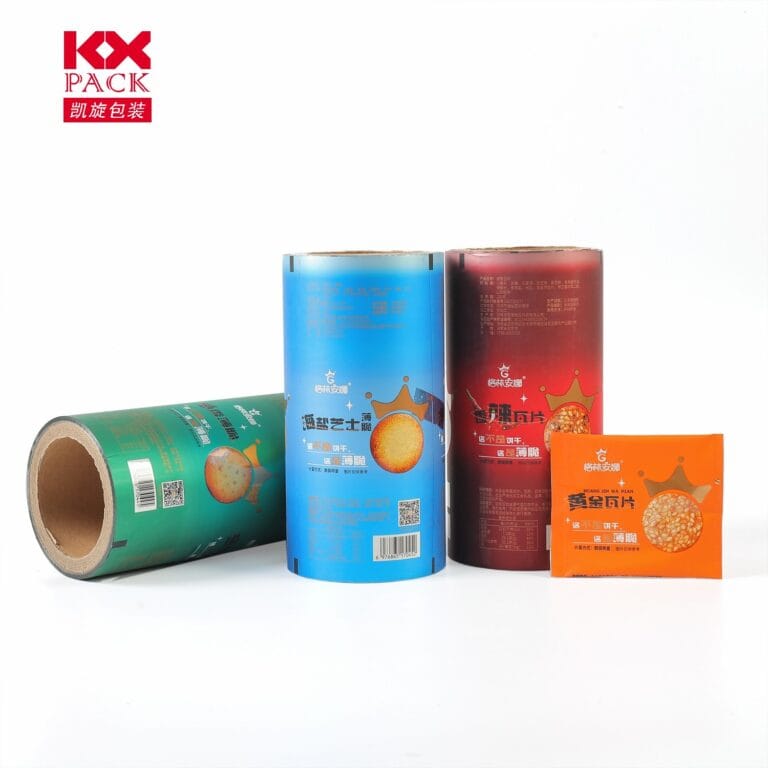
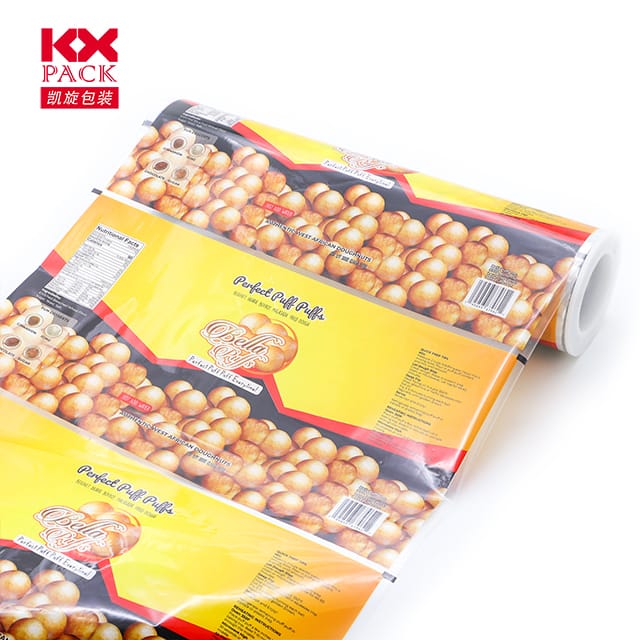
- Kostim: From thin, flexible wraps to sturdy, multi-layered structures, packaging film can be tailored to fit any product size, fòm, and packaging requirement. It can be printed with branding information, kòd bar, and instructional labels, enhancing product appeal and ease of distribution.
- Pri-efikasite: Compared to rigid packaging options, packaging film is often more cost-effective. It requires less material to produce,占用更少的 storage space, and can be easily disposed of or recycled.
- Dirab: With the rise of biodegradable and compostable films, businesses can now opt for packaging solutions that align with their sustainability goals. This not only mitigates environmental impact but also appeals to an increasingly eco-aware consumer base.
Aplikasyon nan tout endistri yo
Packaging film finds applications across diverse industries, from food and beverage to electronics, kosmetik, and healthcare. In the food sector, it’s used for wrapping meats, fwomaj, legim, ak manje pare-a-manje, asire fraîcheur ak pwolonje lavi etajè. Nan elektwonik, it protects sensitive components from static discharge and physical damage during shipping. Cosmetics and pharmaceuticals benefit from the tamper-evident and child-resistant features of specific packaging films, asire entegrite pwodwi ak sekirite.
The Future of Packaging Film
Kòm teknoloji avanse ak preferans konsomatè yo evolye, the packaging film industry is poised for innovation. The development of smart packaging films, incorporating features like temperature indicators, freshness sensors, and even active packaging that extends shelf life through antioxidant or antimicrobial properties, is on the horizon. Anplis de sa, the push towards circular economy principles will drive the adoption of fully recyclable and biodegradable films, minimizing waste and promoting a healthier planet.
An konklizyon, packaging film is a cornerstone of modern commerce, offering a blend of protection, kostim, pri-efikasite, ak dirab. Its ability to adapt to the diverse needs of various industries underscores its importance in ensuring product integrity, enhancing consumer experience, and supporting businesses in their pursuit of environmental responsibility. Pandan n ap avanse, the evolution of packaging film will undoubtedly continue to shape the future of packaging and, by extension, the global economy.