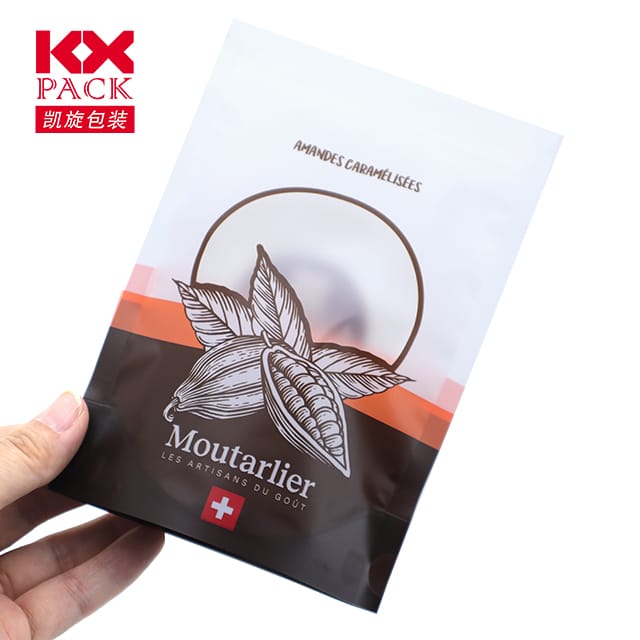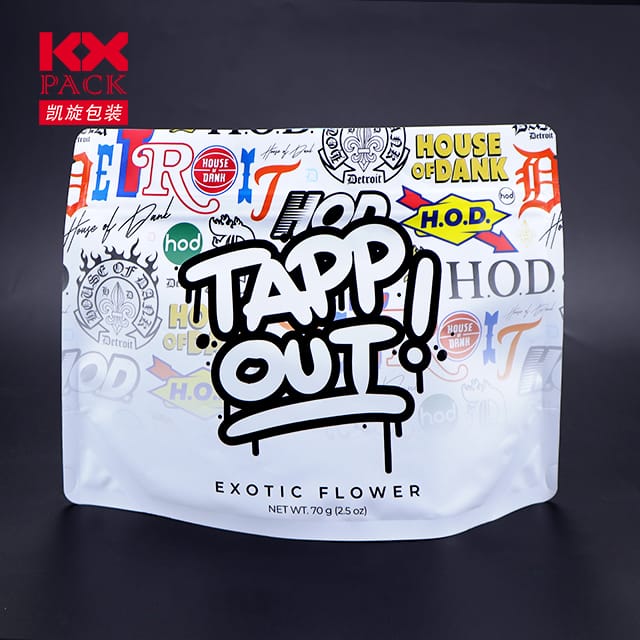
Eksplore avni Packag Film plastik: Dirab ak Inovasyon
Packag Film Plastic
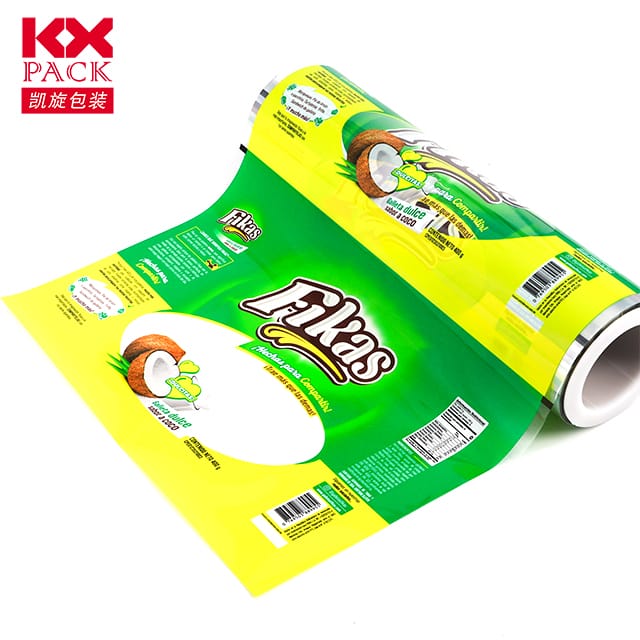
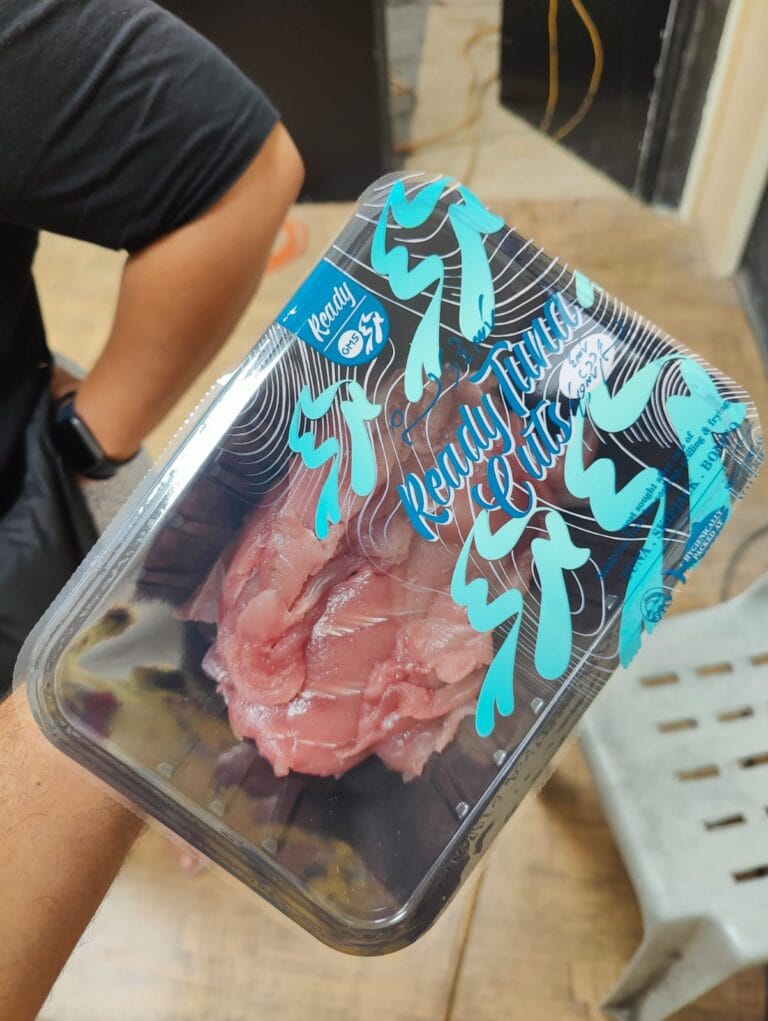
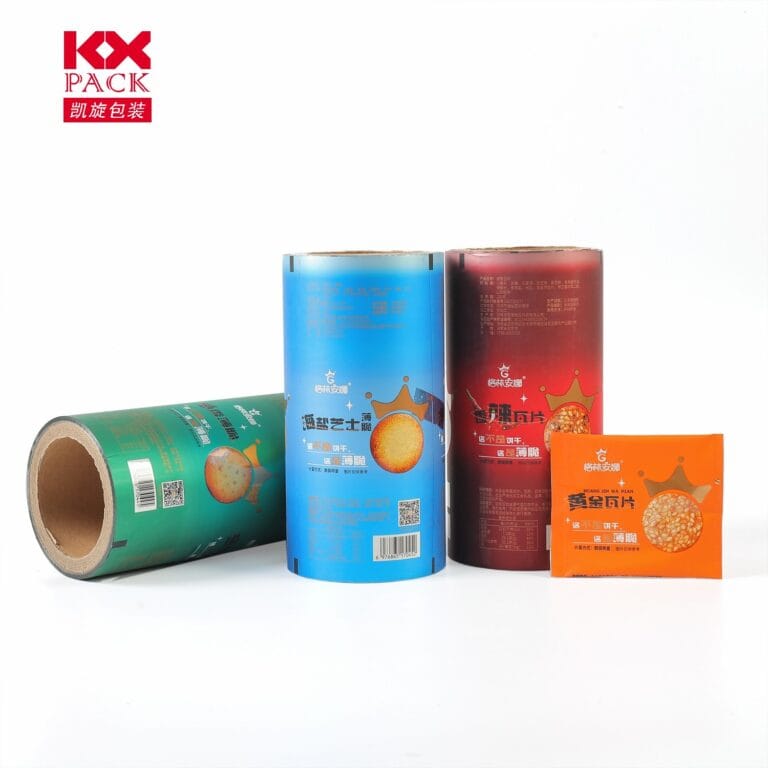
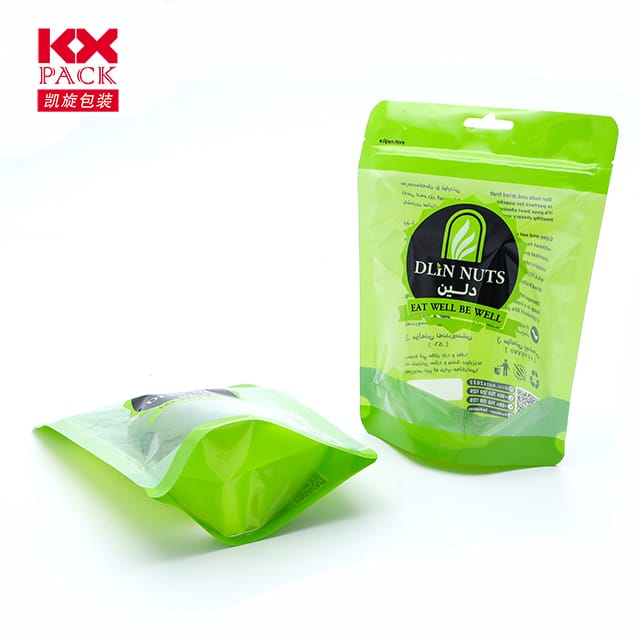
Nan dènye ane yo, a Packag Film Plastic has witnessed a transformative shift toward sustainability and efficiency, ak Packag Film Plastik (souvan refere yo kòm fim anbalaj) émergentes kòm yon poto nan solisyon anbalaj modèn. Soti nan resipyan manje ak bwason rive nan pharmaceutique ak machandiz konsomatè, packaging films have become ubiquitous due to their versatility, pri-efikasite, and protective properties. Sepandan, kòm enkyetid anviwònman monte, the future of packaging film hinges on its ability to balance functionality with eco-friendliness.
Market Dynamics and Growth
Mondyal la Packag Film Plastic market has expanded rapidly, driven by rising consumer demand for packaged goods and innovations in material science. Nan 2023, China’s plastic packaging box and container industry reached a market size of approximately 189.16 billion RMB (around $26 milya dola), growing by 4.4% year-over-year. This growth is underpinned by sectors like food and beverage, which dominate packaging film usage due to their need for extended shelf life and product protection.
Notably, the EU’sPackaging and Packaging Waste Regulation (Pp), enacted in late 2024, mandates that packaging be designed for recyclability, with a target of 55%规模化回收 (mass recycling) for all materials. This regulation is reshaping industry standards, pushing manufacturers to adopt circular economy principles.
Tandans kle yo fòme endistri a
- Sustainability as a Driving Force
The push for sustainability is redefining Packag Film Plastic inovasyon. Bio-based and biodegradable plastics, such as polylactic acid (PLA) and polyhydroxyalkanoates (PHA), are gaining traction as alternatives to traditional petroleum-based films. Anplis de sa, companies are investing in recycling technologies to improve the recyclability of multilayer films, which have historically posed challenges due to material incompatibility.For instance, the Chinese packaging industry is exploring “design for recycling” (DfR) estanda, ensuring packaging components can be easily separated and repurposed. This aligns with global efforts to reduce plastic waste and align with regulations like the EU’s PPWR. - Lightweighting and Material Efficiency
Lightweighting—reducing material usage without compromising performance—is a critical trend. Lighter packaging films lower transportation costs and carbon footprints while maintaining structural integrity. This is particularly relevant for industries like e-commerce and logistics, where packaging efficiency directly impacts operational costs. - Entegrasyon anbalaj entelijan
The integration of smart technologies, such as RFID tags and QR codes, is enhancing packaging functionality. These innovations enable real-time tracking, anti-counterfeiting measures, ak angajman konsomatè yo, bridging the gap between physical and digital commerce.
Defi ak Opòtinite
Malgre pwogrè, the Packag Film Plastic sector faces hurdles. The cost of developing and scaling eco-friendly materials remains high, and recycling infrastructure varies widely across regions. Anplis, consumer perceptions of sustainability are complex; as highlighted in a 2023 Harvard Business Review study, brands often resort to “over-packaging” with paper to create an illusion of eco-friendliness, even when the underlying plastic remains unchanged.
To address these challenges, collaboration is key. Industry stakeholders—from material suppliers to retailers—must align on standardized recycling processes and transparent labeling. Pa egzanp, brands like Zara and Kiehl’s have adopted minimalist packaging claims, emphasizing their commitment to responsible practices without resorting to wasteful add-ons.
Innovations on the Horizon
Gade pi devan, several innovations hold promise:
- Teknoloji resiklaj avanse: Chemical recycling and pyrolysis are emerging as methods to break down mixed plastics into reusable feedstocks, diminye depandans sou materyèl jenn fi.
- Nanotechnology Enhancements: Nanocomposites in packaging films can improve barrier properties, extending product freshness while reducing material thickness.
- Modèl ekonomi sikilè: Leasing or refillable packaging systems, where consumers return containers for reuse, are gaining momentum, particularly in Europe and North America.
Konklizyon
The future of Packag Film Plastic lies in its ability to adapt to evolving environmental and consumer demands. Lè w anbrase dirab, technological innovation, and circular economy principles, the industry can transition from a linear “take-make-dispose” model to one that prioritizes regeneration and reuse. As governments tighten regulations and consumers demand greater transparency, the companies that lead this transformation will not only reduce their environmental impact but also secure a competitive edge in a rapidly evolving market.
In the words of industry experts, “The packaging revolution is not just about materials—it’s about rethinking how we design, pwodui, and dispose of packaging to create a more sustainable future.”